The Global Food Trends and Their Environmental Impact
The world is currently experiencing a surge in demand for certain food products, such as Dubai chocolate, matcha tea, and quinoa. While these items are seen as luxurious or healthy, their popularity has significant environmental and economic consequences for the producers involved.
Dubai Chocolate: A Sweet Luxury with Hidden Costs
Dubai chocolate, known for its combination of mild milk chocolate, soft pistachio cream, and crunchy kadayif strands, has become a symbol of sweet luxury. Sarah Hamouda, the head of Fix Dessert Chocolatier in Dubai, is credited with creating this confection, which gained global attention through social media influencers. Despite its appeal, the trend has led to increased demand for pistachios, a key ingredient.
In 2024, imports of pistachios (in shell) to the European Union increased by more than a third compared to the previous year, with market value exceeding €1 billion for the first time. This surge in demand has had a direct impact on water resources, as pistachio trees require extensive irrigation, especially in dry regions.
Water Usage and Environmental Strain
Pistachios are often considered a climate-adapted crop, but their cultivation requires significant additional irrigation. Producing one kilogram of pistachios can consume over 10,000 liters of water, mostly from irrigation. In comparison, producing one kilogram of peanuts only requires about 2,800 liters, with most of that coming from rainwater.
Moreover, the expansion of pistachio cultivation has led to monocultures, which increase the use of artificial fertilizers and pesticides. This not only harms the environment but also reduces biodiversity. Additionally, warmer winters caused by climate change have affected pistachio trees, as they need cold temperatures to flower and produce fruit.
Matcha Tea: A Growing Demand and Rising Prices
Matcha tea, a green, bitter powder originally from China, has become increasingly popular worldwide. High-quality matcha is now primarily grown in Japan, where the tea plants are shaded before harvesting. The production process involves steaming, aerating, and grinding the leaves to create the fine powder.
According to the German Tea Association, over 240 tons of matcha were delivered to Germany alone between January and August 2024, representing a 240% increase compared to the same period the previous year. This surge in demand has led to shortages, with major exporters like Marukyu Koyamaen reporting limited availability of all matcha products.
In Japan, the purchase price for matcha has almost tripled compared to last year, and retail prices have doubled. This has affected traditional tea ceremonies and confectionery manufacturers, who are now facing higher costs and reduced consumption.
Quinoa: A Superfood with Unintended Consequences
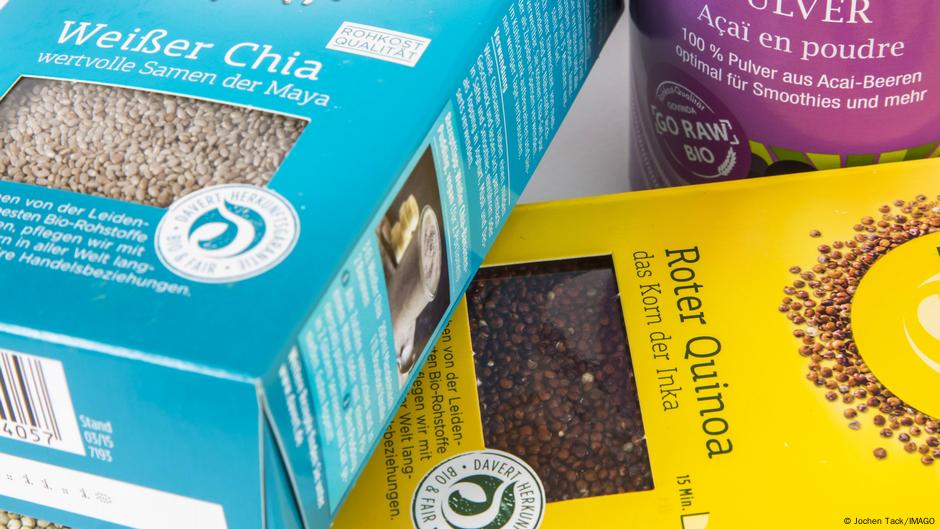
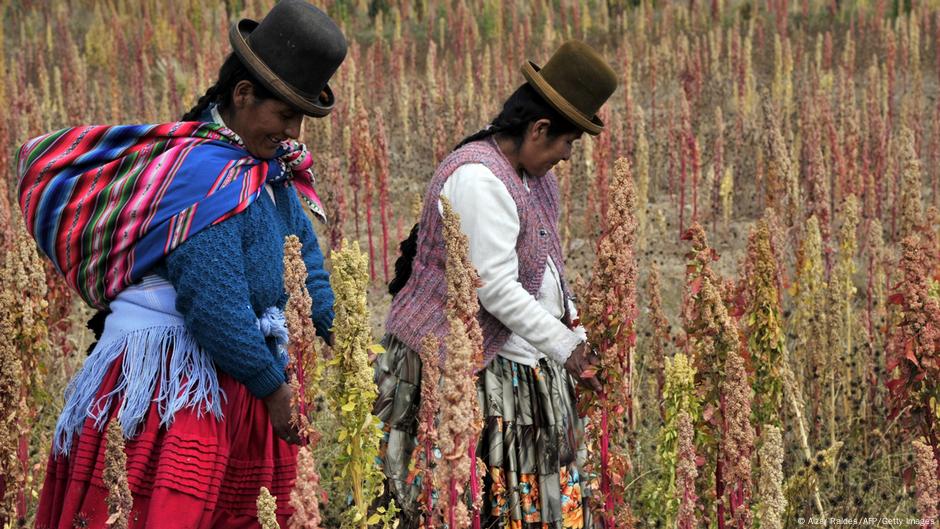
Quinoa, a pseudocereal from the Andes, was once celebrated for its nutritional value and potential to improve food security. However, its rise as a superfood has had negative effects on local communities and the environment.
In Peru and Bolivia, two of the main producing countries, quinoa prices rose sharply, making it unaffordable for local populations. Traditional farming practices, which involved leaving farmland fallow for up to seven years to allow soil recovery, were disrupted due to high demand. Farmers began cultivating quinoa for just one year, leading to the use of chemical fertilizers and pesticides.
Additionally, areas unsuitable for agriculture, such as desert-like regions in Bolivia, were developed for quinoa cultivation. This has led to soil degradation and made it difficult to return to animal husbandry after quinoa farming.
Sustainable Solutions for Future Trends
Fair trade organizations advise producers to avoid economic dependence on a single agricultural commodity. Instead, they recommend growing crops for both local and global markets. This approach ensures that farmers can still earn income even when trends fade.
Claudia Brück, director of Fairtrade Germany, suggests diversifying crops, such as growing two rows of coffee and one row of beans. This practice promotes soil health and allows farmers to produce their own food while also participating in international markets.
Experts like Stig Tanzmann emphasize the need for sustainability in promoting food trends. When new trends emerge, those who drive them should consider their long-term impacts and act responsibly.