Overview of the NBS Inflation Report
The National Bureau of Statistics (NBS) recently released a report indicating that food prices in Nigeria experienced a slight decline in September 2025 compared to August 2025. This led to a drop in the headline inflation rate to 18.02 percent. According to the report, the Food inflation rate for September 2025 was -1.57 percent, a decrease of 3.22 percent from the 1.65 percent recorded in August 2025.
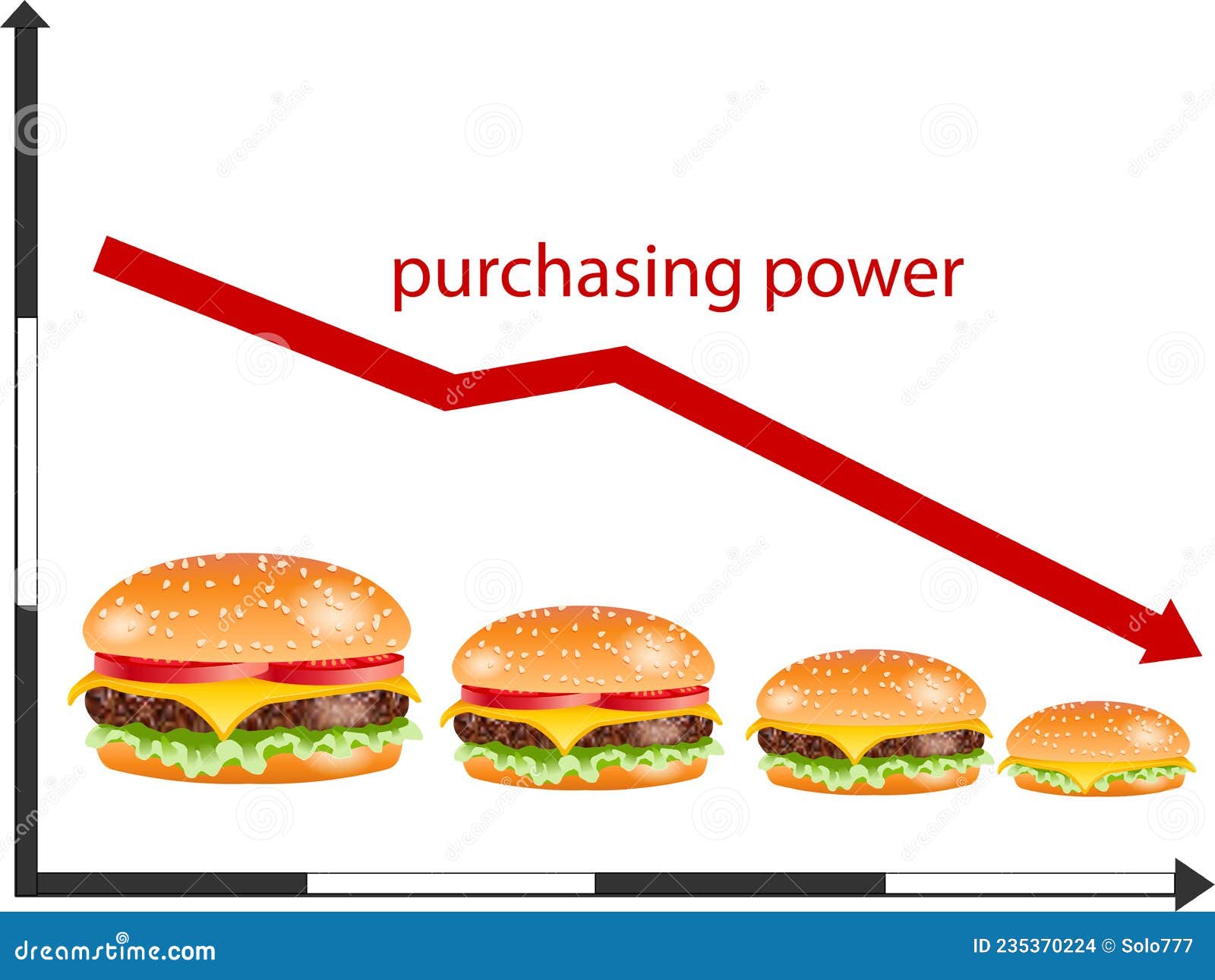
This reduction in food prices was attributed to the drop in the average prices of several key commodities such as maize (corn) grains, garri, beans, millet, potatoes, onions, eggs, tomatoes, and fresh pepper. Despite these price reductions, many Nigerians expressed mixed reactions, stating that the report did not reflect the true state of their purchasing power.
Mixed Reactions from Citizens
A civil servant in Abuja, Khadija Adam, noted that while food prices had decreased, the overall purchasing power of Nigerians had declined significantly. She mentioned that a measure of rice, which used to cost N2,500 in her area in Suleja, Niger State, now costs N1,500. However, she emphasized that many people still cannot afford it due to declining incomes.
Similarly, a provision seller at Lugbe, a suburb of Abuja, confirmed the reduction in food commodity prices, including rice, beans, spaghetti, and macaroni. When asked about consumer behavior, he stated that while people are buying, they are not purchasing in the same quantities as before. A bag of 50 kg rice is currently sold for between N50,000 and N55,000, with some sellers charging N60,000.
Kehinde Olufowobi, who resides in Ikorodu, described the inflation figure as a reflection of market dynamics, noting that staple food prices have indeed decreased. He expressed optimism that this trend could continue, potentially improving household welfare.
Perspectives from Industry Leaders
Engr. Emmanuel Onuorah, president of the Premium Bakers’ Association of Nigeria (PBAN), pointed out that the reduced prices were not yet visible in people’s pockets. He questioned the absence of a trickle-down effect from the reported decline in inflation, noting that while baking ingredients remained stable, other materials were still increasing in price.
Onuorah called for further investigation into how the inflation rate is decreasing, suggesting that the data might not be fully reflective of the actual economic conditions faced by citizens.
NBS Analysis of Inflation Trends
The NBS report highlighted that the average annual rate of Food inflation for the twelve months ending September 2025 was 24.06 percent, a significant decrease from the 37.53 percent recorded in September 2024. The Food inflation rate on a year-on-year basis was 16.87 percent in September 2025, down from 37.77 percent in September 2024.
Headline inflation also showed a decline, easing to 18.02 percent in September 2025, compared to 20.12 percent in August 2025. On a year-on-year basis, the headline inflation rate was 14.68 percent lower than the rate recorded in September 2024 (32.70 percent).
However, the report noted regional disparities in inflation rates. The All Items inflation rate on a Year-on-Year basis was highest in Adamawa (23.69 percent), Katsina (23.53 percent), and Nasarawa (22.29 percent). Conversely, Anambra (9.28 percent), Niger (11.79 percent), and Bauchi (12.36 percent) recorded the lowest increases.
On a month-on-month basis, the highest increase was in Zamfara (9.36 percent), Adamawa (8.15 percent), and Nasarawa (7.49 percent), while Niger (-8.14 percent), Oyo (-5.56 percent), and Bayelsa (-4.61 percent) recorded declines.
Factors Contributing to the Decline
Professor Uche Uwaleke, a professor of capital markets, attributed the drop in food prices to the appreciation of the Naira. He noted that the positive pass-through effect of the Naira’s appreciation was evident in core inflation, which excludes volatile items like food and energy. Core inflation is now under 20 percent.
However, Uwaleke pointed out that the current inflation rate of 18.02 percent is still far from the Central Bank of Nigeria’s (CBN) long-term target of 9 percent. He emphasized the need for sustained disinflation and mitigation of risks associated with increased spending during the election season.
Dr Muda Yusuf, Director/CEO of the Centre for the Promotion of Private Enterprise (CPPE), acknowledged the commendable disinflation trajectory but warned that high inflation levels continue to erode purchasing power and undermine consumer confidence. He urged the government to implement targeted policies to consolidate the gains achieved so far.
Challenges and Recommendations
Despite the progress, structural challenges persist, including persistent insecurity in farming areas, high transport costs, and climate-related disruptions that constrain food output. Additionally, high fuel prices, poor road networks, multiple levies across states, and unreliable electricity supply contribute to elevated distribution and production costs.
Dr Yusuf emphasized the importance of strengthening security in farming regions to facilitate production and market access. He called for policies that enhance productivity, stabilize prices, and reduce the structural cost of doing business to ensure sustainable economic recovery.
With consistent efforts, coordination, and structural reforms, Nigeria can achieve a stable single-digit inflation rate over the medium term, anchoring growth, improving welfare, and restoring confidence in the economy.


