President Lee Jae-myung’s Remarks on the Yeosu-Suncheon Incident Spark Controversy
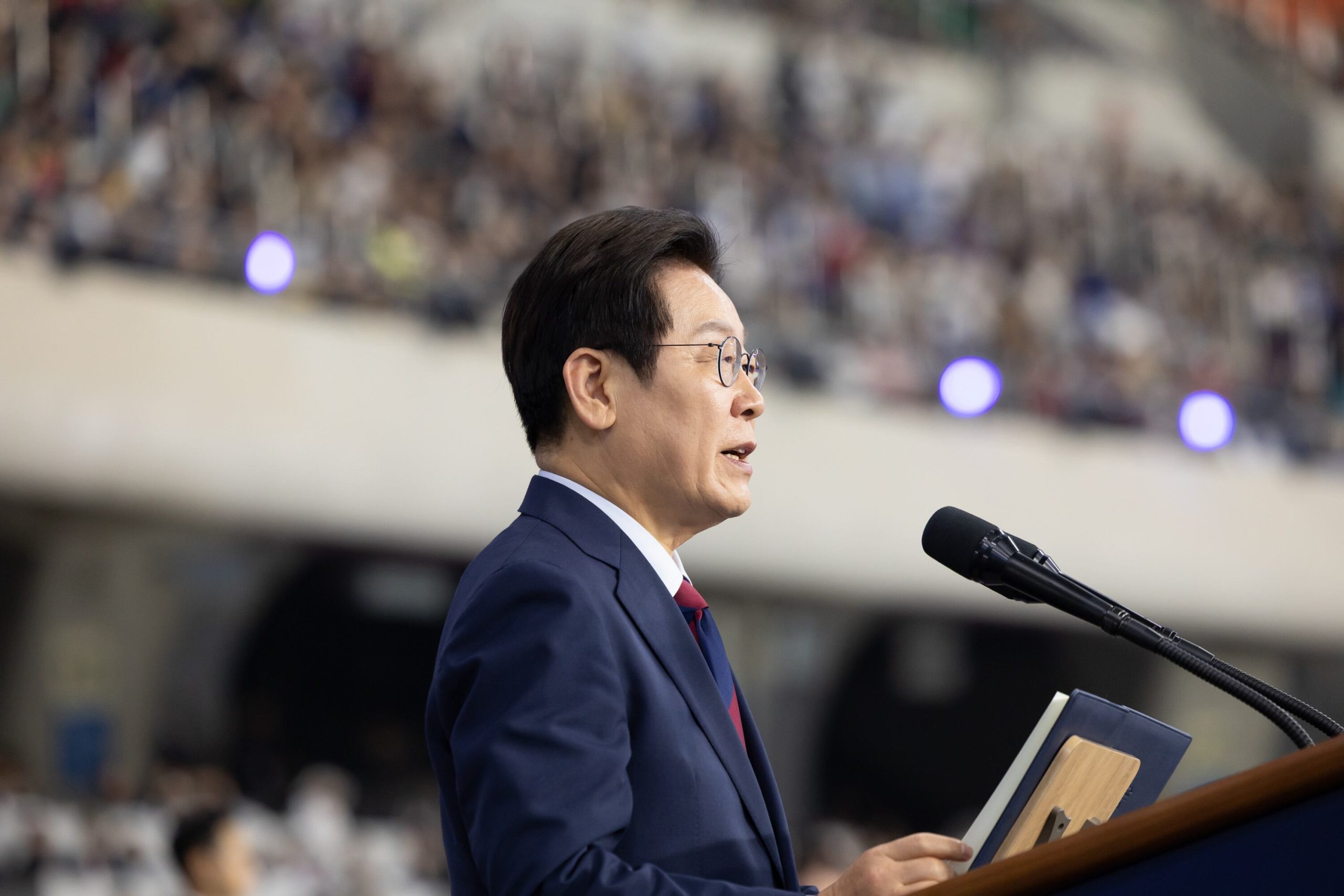
On the 77th anniversary of the Yeosu-Suncheon Incident, President Lee Jae-myung made a Facebook post that sparked significant debate. He described the armed rebellion by the 14th Regiment of the National Defense Corps as an act of “resisting unjust orders,” suggesting it was a justified refusal to obey. This interpretation has drawn both support and criticism.
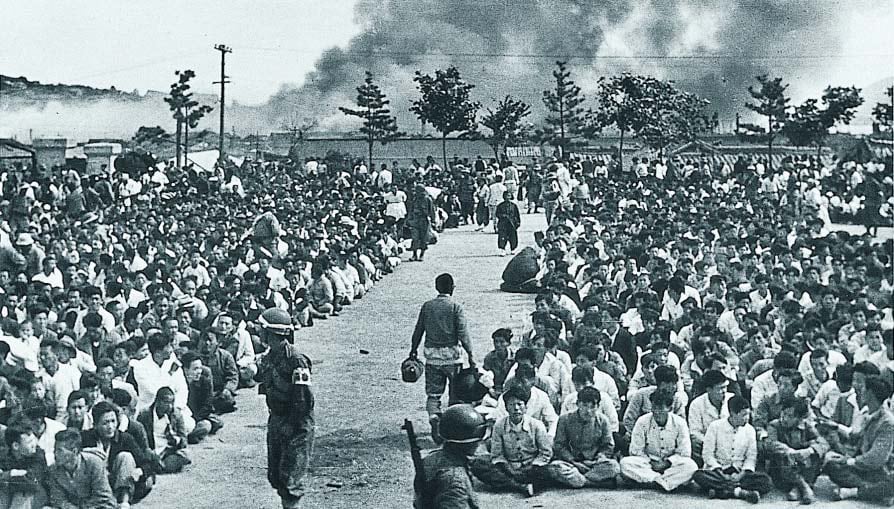
The incident began on October 19, 1948, shortly after the establishment of the Republic of Korea. Some soldiers from the 14th Regiment occupied Yeosu and Suncheon under the pretext of refusing orders to suppress the Jeju April 3 Incident. The event led to civilian casualties during government military suppression. Investigations are ongoing under the Yeosu-Suncheon Incident Special Act, enacted in 2021. In October 2022, the government officially confirmed the victims for the first time.
President Lee emphasized the need for a truth investigation and responsible measures. However, his characterization of the 14th Regiment soldiers as having “resisted unjust orders” has been controversial. He stated that approximately 2,000 soldiers refused orders to suppress the Jeju April 3 Incident, adding that soldiers tasked with protecting the people could not point their guns at citizens. He also noted the devastating consequences of resisting unjust orders.
Critics argue that President Lee’s remarks sidestepped the essence of the Yeosu-Suncheon Incident, which is described in government-published war histories and memoirs as an “anti-Republic of Korea riot instigated by communists.” According to these accounts, South Korean Workers’ Party (SKWP) forces within the 14th Regiment seized arsenals and ammunition depots under slogans like “oppose sending troops to Jeju for fratricidal conflict” and killed around 20 officers and non-commissioned officers who opposed the rebellion. After advancing into Yeosu, they attacked police stations and issued statements such as “Withdraw U.S. forces” and “Long live the establishment of a people’s republic.” They also traveled by train to Suncheon, killing captured police officers and local elites. These actions go beyond a simple refusal to obey orders.
Academic Criticism of President Lee’s Interpretation
Academics have criticized President Lee’s remarks for ignoring the core of the SKWP rebellion. In his message commemorating the 77th anniversary of the Yeosu-Suncheon Incident, President Lee pledged to prevent innocent victims of state violence from occurring again. He also mentioned the Yeosu-Suncheon Incident Special Act, stating that correcting history and establishing justice are tasks that must be done, no matter how long it takes.
It is unusual for a sitting president to issue a public message about the Yeosu-Suncheon Incident. Former President Moon Jae-in, under whose administration the special act was enacted, sent a wreath to a memorial ceremony but did not release a public statement.
The presidential office explained that President Lee has long been interested in the Yeosu-Suncheon Incident since his time as Democratic Party leader and has emphasized restoring honor and providing compensation. This is not unrelated to ongoing historical debates. This includes remarks by opposition figures like People Power Party leader Jang Dong-hyeok, who mentioned “diverse perspectives on history” after watching the film Founding War 2.
Founding War 2 depicts the ideological conflicts between left and right in the post-liberation period, the activities of the SKWP, and the military rebellious nature of the Yeosu-Suncheon Incident, using the Jeju April 3 Incident and the Yeosu-Suncheon Incident as themes. The ruling party criticized the film for insulting the victims of the Jeju April 3 Incident and the Yeosu-Suncheon Incident.
Ongoing Debates and Concerns
The Yeosu-Suncheon Incident Special Act, enacted in 2021 under the Moon Jae-in administration and led by the Democratic Party, aims to investigate the truth at the national level and restore the honor of victims and their families. However, the act has faced criticism for intentionally omitting the military rebellious nature of the incident by defining it as “an event caused by some soldiers from the 14th Regiment refusing orders to suppress the Jeju April 3 Incident.” The Democratic Party extended the act’s implementation period by up to two years last December, citing insufficient reports and the need for further investigation.
Concerns are also emerging among experts about President Lee’s historical perception. While acknowledging that excessive suppression caused many innocent casualties, they argue that his remarks overlook the essence of the Yeosu-Suncheon Incident as an “anti-government riot by leftist forces.”
Historian Shim Ji-yeon, an emeritus professor at Kyungnam University, stated that the remarks completely ignore the clear historical fact that leftist forces, including SKWP South Jeolla Province Party member Ji Chang-su within the 14th Regiment stationed in Yeosu, attacked government offices like police stations under the slogan “Act together with the people’s army.” She added that portraying the instigators of the Yeosu-Suncheon Incident solely as victims without contextual analysis is far from objective.
Kang Gyu-hyung, a professor at Myongji University, said that the Jeju April 3 Incident was a riot initiated by the SKWP Jeju Island Party to disrupt the Republic of Korea’s May 10, 1948 general election. The Yeosu-Suncheon Incident was a rebellion by SKWP members within the 14th Regiment stationed in Yeosu when they tried to suppress it. If the instigators of the Yeosu-Suncheon Incident are officially defended, the very foundation of the Republic of Korea will disappear.
A historian who requested anonymity, identified as Mr. A, stated that the refusal to suppress the Jeju April 3 Incident was merely a pretext for the Yeosu-Suncheon Incident. He added that it was a clear rebellion in which leftist forces from the 14th Regiment, in collaboration with SKWP forces in Yeosu and Suncheon, killed 1,200 “right-wing elements.”
Meanwhile, at the joint memorial ceremony for the Yeosu-Suncheon Incident held at the Jirisan Historical and Cultural Center in Gurye County, South Jeolla Province, Prime Minister Kim Min-seok attended on behalf of the government. He stated that the tragedy of Yeosu-Suncheon is still ongoing and pledged that the government will thoroughly uncover the truth through the Truth Investigation Planning Team. Democratic Party leader Jung Chung-rae, who attended the ceremony, wrote on Facebook that they must uncover the truth of the modern Korean history tragedy still buried near Jirisan.