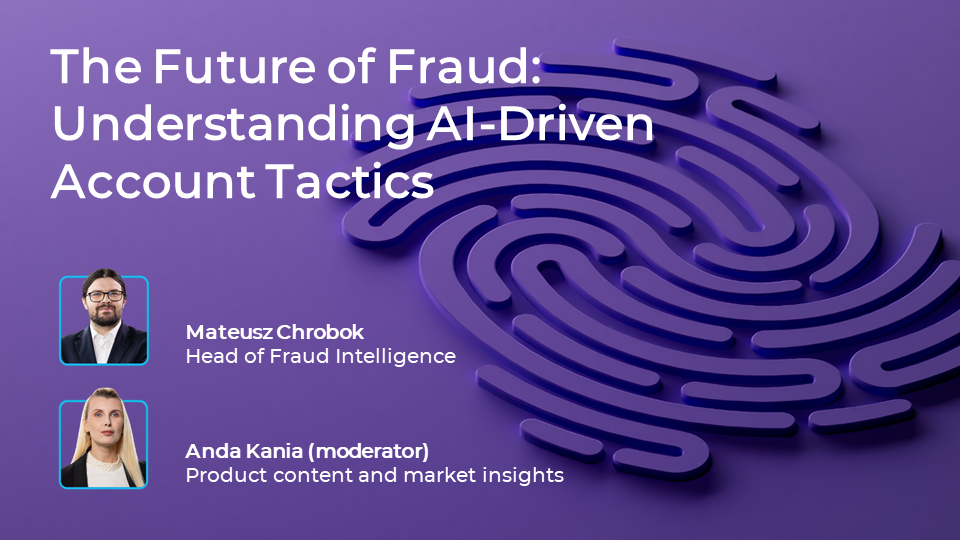
The Rise of AI-Driven Financial Crime and Cyber Threats
The rapid development of technology has introduced new challenges in the fight against financial crime. As criminals become more tech-savvy, they are employing increasingly complex fraud schemes that can cause significant harm to individuals and businesses. One of the most concerning trends is the use of artificial intelligence (AI) by cybercriminals to carry out their operations. This shift requires a coordinated response from both the public and private sectors to ensure that appropriate protections are in place.
Understanding the Role of AI in Cybercrime
AI is no longer just a tool for innovation; it has also become a powerful weapon in the hands of malicious actors. These actors are leveraging AI to automate and enhance their criminal activities, making it easier for them to execute sophisticated attacks. For example, AI can be used to create convincing phishing emails, generate fake identities, or even develop malware that is difficult to detect. The ability of AI to analyze large volumes of data quickly makes it an attractive tool for those seeking to commit financial fraud.
In addition to consumer fraud, there are other areas where AI could be exploited for cybercrime. These include ransomware, hacking as a service, and deepfakes. The potential for AI to be used in these ways highlights the need for ongoing research and collaboration between different stakeholders to address emerging threats.
Types of Financial Fraud
Financial fraud encompasses a wide range of illegal activities aimed at deceiving individuals or organizations to gain financial benefits. Some common types include:
- Phishing: This involves sending fraudulent communications, such as emails or text messages, to trick individuals into revealing sensitive information like passwords or credit card details.
- Identity Theft: This occurs when someone steals another person’s personal information to commit fraud, such as opening accounts in their name.
- Investment Fraud: This type of fraud involves misleading investors into providing money to non-existent or poorly managed companies.
These forms of fraud have become more prevalent in the digital age, as the internet provides a platform for criminals to reach a wider audience with minimal effort.
The Impact of Technology on Trust and Security
The transition to online transactions has significantly changed how trust is established. In the physical world, trust is often built through face-to-face interactions and non-verbal cues. However, in the digital realm, these indicators are absent, making it easier for criminals to operate anonymously. This lack of transparency can lead to increased vulnerability, as individuals may not always be able to verify the authenticity of the people or entities they interact with online.
Moreover, the rise of AI has introduced new challenges in detecting and preventing fraud. While AI systems can analyze vast amounts of data to identify suspicious behavior, they are not infallible. There is a risk that some fraudulent activities may go undetected, especially if they are designed to mimic legitimate transactions.
Strategies for Combating AI-Driven Cybercrime
To effectively combat the growing threat of AI-driven cybercrime, it is essential to implement robust security measures and foster collaboration between different sectors. Key strategies include:
- Enhanced Intelligence Sharing: Governments and private organizations should work together to share information about emerging threats and best practices for prevention.
- Public-Private Partnerships: These partnerships can help develop and fund initiatives aimed at addressing the misuse of AI technologies for financial crime.
- Education and Awareness: Raising awareness among consumers and businesses about the risks of AI-driven fraud is crucial for building a more secure digital environment.
Additionally, cybersecurity standards should be implemented to ensure that organizations are equipped to handle potential threats. This includes creating comprehensive cybersecurity initiatives, training staff on security best practices, and establishing incident response protocols.
The Future of AI and Cybersecurity
As AI continues to evolve, its impact on cybersecurity will become even more pronounced. While AI has the potential to improve security by detecting and responding to threats more efficiently, it also poses new risks if misused. The ethical implications of AI in this context cannot be ignored, as it raises questions about privacy, accountability, and the potential for abuse.
Organizations must remain vigilant and proactive in addressing these challenges. By investing in research and developing advanced security solutions, they can better protect themselves and their customers from the ever-evolving landscape of cybercrime.
Conclusion
The intersection of AI and financial crime presents both opportunities and challenges. While AI can be a powerful tool for innovation, it also has the potential to be exploited by malicious actors. Addressing these issues requires a multifaceted approach that includes technological advancements, regulatory frameworks, and collaborative efforts between different stakeholders. By working together, we can create a safer digital environment for everyone.


