The World Bank’s Assessment of Nigeria’s Economic Policies
Last week, the World Bank released its evaluation of President Bola Tinubu’s economic policies and their impact on the Nigerian population. The findings were alarming: 139 million Nigerians have been pushed into poverty, and the situation is expected to worsen in the coming months. Mathew Verghis, the World Bank Country Director, acknowledged the stabilization efforts made by President Tinubu but emphasized that many Nigerians are still struggling with reduced purchasing power. He noted that by 2025, 139 million people could be living below the poverty line.
This assessment comes at a time when President Tinubu delivered his Independence Day address, where he praised his administration’s achievements and claimed that the worst was over. His statements, however, were met with skepticism from the very citizens he addressed, who continue to face economic hardship.
The question arises: why did the World Bank issue such a critical report just days after the president’s optimistic remarks? What does the World Bank’s report reveal about the economic policies of President Tinubu, which many may not fully understand, and how have these policies been misrepresented by the president’s advisors?
In this analysis, I aim to provide a clear and straightforward explanation of the crisis and contradictions within President Tinubu’s economic policies, as highlighted by the World Bank’s latest report.
The Foundation of Tinubu’s Economic Policies
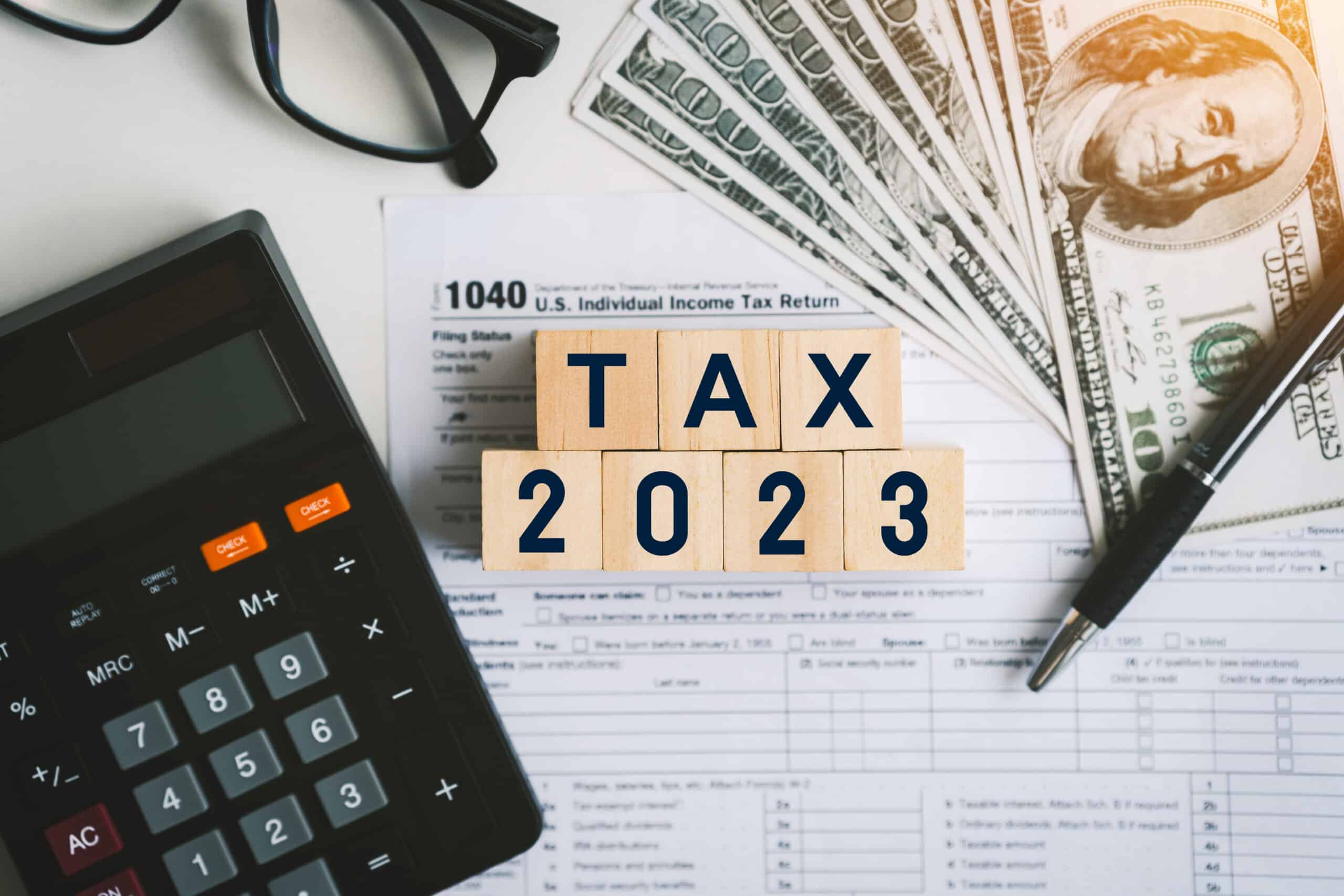
A key component of President Tinubu’s economic strategy is the belief that taxation can drive growth and development. This assumption might have been valid during his tenure as governor of Lagos State, where the economy was relatively concentrated and generated significant revenue. However, this approach is not applicable to the broader Nigerian context, which is at the lowest end of the development index.
The World Bank’s report suggests that while the president’s policy may be effective in generating high revenues, it is doing so at the expense of increasing poverty among Nigerians. The multilateral institution seems to be indicating that the tax system is squeezing the population, leading to a lack of investment in essential services and economic growth.
Moreover, the report implies that the revenues collected through heavy taxation have not been used for industrial development or production. Instead, they have been directed toward luxury expenditures at various levels of government. This creates a double burden for the Nigerian people, who face both high taxes and insufficient investment in public services and employment opportunities.
Evaluating Tinubu’s Economic Model
Economic thinking is typically divided into two main approaches: supply-side and demand-side economics. Supply-side economics focuses on reducing taxes on high-income individuals and businesses to stimulate investment and growth. Demand-side economics involves government intervention to create aggregate demand through taxation, employment, and investment.
President Tinubu’s economic model does not align with either of these approaches. It does not support supply-side principles, as it imposes heavy taxes that discourage investment in manufacturing and production. This leads to job losses and increased unemployment. On the other hand, it also fails to follow demand-side economics, as the tax revenue is not invested in infrastructure or public services.
The Nature of Tinubu’s Policies
In essence, President Tinubu’s economic model can be described as a hybrid of tax and spend, where the government collects large amounts of revenue from the population to fund the lavish lifestyles of a privileged few. This model resembles the colonial era, where a colonizing power imposed heavy taxes on the local population to finance its own interests.
The World Bank’s message, albeit in coded language, is that Tinubu’s policies do not aim to foster investment in industry or infrastructure. Instead, they focus on taxing the populace to support the consumption habits of the elite. This cycle of taxation and borrowing creates a dependency that will burden future generations with debt.
This model of governance, characterized by excessive taxation and misallocation of resources, raises serious concerns about the long-term sustainability of Nigeria’s economic development. As the country continues to grapple with these challenges, it becomes increasingly important for policymakers to consider alternative approaches that prioritize inclusive growth and equitable distribution of resources.