Fuel Consumption Trends in Nigeria
Nigerians consumed a total of 613.62 million litres of Premium Motor Spirit (PMS), commonly known as petrol, for transportation, power generation, and other domestic uses between October 2024 and October 10, 2025. This figure highlights the country’s significant fuel demand during this period.
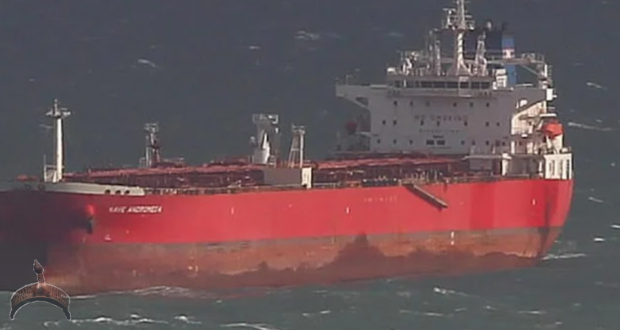
According to data obtained from the Nigerian Midstream and Downstream Petroleum Regulatory Authority (NMDPRA), local refineries supplied 236.08 million litres of PMS, while imports accounted for 377.54 million litres. The figures reveal that imported petrol still dominated the market, contributing approximately 63 per cent of Nigeria’s PMS needs. In contrast, domestic refineries, led by the Dangote Petroleum Refinery, provided the remaining 37 per cent, marking a notable improvement compared to previous years.
Domestic Production Growth
Domestic production saw a steady increase over the one-year period. From 9.62 million litres per day in October 2024, output rose to 18.93 million litres per day by October 2025, representing a near 100 per cent increase. Meanwhile, import volumes declined sharply from 46.38 million litres per day in October 2024 to 15.11 million litres per day in October 2025, reflecting a 67 per cent drop.
A monthly breakdown of the data reveals a consistent decline in petrol imports and a gradual rise in local supply. Import volumes dropped from 46.38 million litres in October 2024 to 36.39 million litres in November and 38.90 million litres in December. By January 2025, import figures had fallen further to 24.15 million litres, with slight fluctuations in subsequent months before rebounding temporarily to 37.37 million litres in May. Thereafter, volumes declined again, reaching a year-low of 15.11 million litres as of October 10, 2025.
In contrast, domestic refining output showed a clear upward trend. Local supply increased from 9.62 million litres in October 2024 to 19.36 million litres in November and 13.13 million litres in December. The trend continued into 2025, with output climbing to 22.66 million litres in January and maintaining over 20 million litres in both March and April.
Although there were minor dips in May, June, and July, output surged again in August before stabilizing at 18.93 million litres in October 2025.
Shift in Fuel Supply Structure
The data reflects a gradual but significant shift in Nigeria’s fuel supply structure, with local refineries, particularly the Dangote Petroleum Refinery, steadily closing the gap on imports within just one year of operation. Total petrol supply averaged 46.6 million litres per day, comprising 29.5 million litres from imports and about 17.1 million litres from local production.
The reduction in petrol imports has also eased pressure on Nigeria’s foreign reserves, as the country spends less on importing refined products. Previously, importers required billions of dollars monthly to settle letters of credit and cover freight and insurance costs.
However, the report noted fluctuations in overall supply, with volumes dipping from 55.21 million litres in May 2025 to 34.04 million litres in October 2025, indicating that logistical constraints and periodic maintenance still affect consistent nationwide distribution.
Impact of the Dangote Refinery
Oil and gas analysts highlight that the improvement coincides with the first full year of operations of the Dangote Refinery, which began large-scale production earlier in 2025 and now contributes between 15 and 20 million litres of PMS daily to the domestic market.
Since its commissioning in May 2023 and subsequent ramp-up through 2024, the Dangote Refinery has been under global scrutiny as the flagship of Nigeria’s industrial revival agenda. In its first year of sustained operation, the refinery’s growing output has reshaped Nigeria’s fuel supply structure, reduced foreign exchange exposure, and rekindled confidence in local refining after decades of failed turnarounds at the government-owned Port Harcourt, Warri, and Kaduna refineries.
Expert Analysis and Recommendations
Commenting on the data, the Chief Executive Officer of Petroleum.ng, Olatide Jeremiah, stated that Nigeria’s domestic refining capacity has recorded remarkable progress in the past year, with the Dangote Refinery now supplying about 40 per cent of the country’s daily petrol consumption.
He emphasized that the Dangote Refinery and other local refiners require uninterrupted access to crude oil in naira to scale up production and reduce pump prices nationwide. “The fact that import remains the country’s major source of refined products shows that there are still unresolved issues,” he said.
Despite being Africa’s biggest crude oil producer and host to the continent’s largest refinery, Nigeria still imports about 60 per cent of its daily petrol needs, a situation he described as inconsistent with the country’s energy potential.
The Petroleum.ng chief urged the Federal Government and the Nigerian Upstream Petroleum Regulatory Commission to strengthen policies that guarantee local refineries full access to domestic crude supply. “Nigeria, the biggest producer of crude in Africa with the biggest refinery in Africa, should not be importing about 60% of its daily fuel consumption; thus, our pump prices should be amongst the lowest in the world.”


