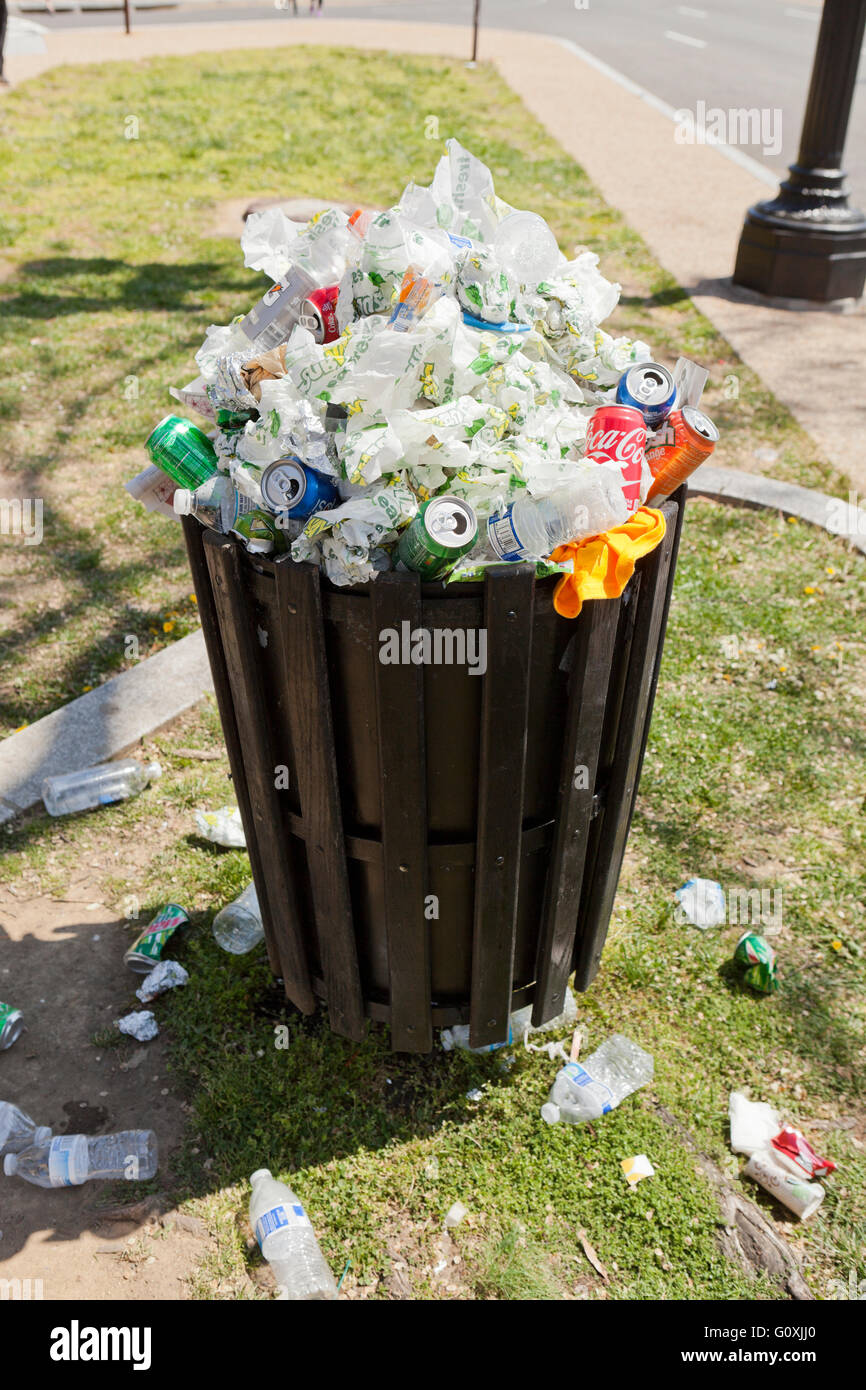
The Limits of the Three Rs: A Call for Systemic Change
For over half a century, the mantra “Reduce, reuse, recycle” has been the cornerstone of environmental consciousness. It’s an empowering message that encourages individuals to take personal responsibility for their impact on the planet. However, as climate change activists have increasingly pointed out, this individualist approach is not enough to address the deep-rooted ecological crises we face today.
As a scholar-activist with over 16 years of experience working with climate justice movements, I’ve seen how these movements are challenging the dominant narrative that places the blame for environmental degradation on individual consumer behavior. This narrative, often promoted by corporate public relations campaigns, shifts attention away from the real culprits: wealthy corporations, polluting industries, and governments that enable them.
The Individual vs. the System
The reality is that individual emissions within the average person’s direct control account for less than 20% of total emissions. The vast majority come from industrial systems and infrastructure that are beyond the reach of any single person. Fossil fuel corporations, in particular, have used PR strategies to convince the public that their actions are the main cause of environmental problems, thereby distracting people from pushing for more meaningful structural changes.
Such changes would threaten the profits of the fossil fuel industry, which continues to invest heavily in new oil, gas, and coal production despite the clear need to limit global warming. According to the Intergovernmental Panel on Climate Change, rapid and far-reaching transitions across all sectors are necessary to achieve deep and sustained emissions reductions. Compared to this scale of change, the old three Rs fall short.
Beyond the Three Rs: New Mantras for Climate Justice
In a newly published book chapter, I argue that it’s time to move beyond the traditional “Three Rs” and embrace new, more radical mantras that tackle the root causes of our ecological crises. These include Regulation, Redistribution, and Reparations—three R’s that focus on the structural and economic factors driving environmental degradation.
Regulation: Reining in Polluters
The first R is regulation—putting in place strong, enforceable rules to hold destructive industries accountable. Corporations have long argued that markets will solve the problem without government intervention. However, recent research shows that nearly 75% of 23,200 companies across 14 industries in 129 countries have no official plans to end their greenhouse gas emissions. Fossil fuel companies continue to invest in new oil, gas, and coal projects, even though the world already has more fossil fuels than can be burned without catastrophic consequences.
Redistribution: Funding a Just Transition
The second R is redistribution—shifting wealth and resources from wealthy, destructive industries toward a more socially and ecologically just future. In South Africa, trade unions like Cosatu and Saftu have proposed progressive taxes on wealth, pollution, and financial transactions to fund a just transition for workers and communities. Similar ideas have been put forward by groups like the Africa Tax Justice Network.
In deeply unequal societies like South Africa, where 10% of the population owns over 80% of the wealth, tackling inequality through fair taxation, divestment from fossil fuels, and reinvestment in community-led projects is essential. Redistribution ensures that the benefits of climate action reach those most affected by the crisis, helping build a more prosperous and equitable future.
Reparations: Repairing and Rebuilding
The third R is reparations, which recognizes that the current ecological crisis is rooted in centuries of colonial exploitation and environmental racism. Africa, the continent least responsible for the climate crisis, suffers the most from its impacts. Reparations should mean debt cancellation, technology transfer, and climate finance from wealthy nations—not as loans, but as payments.
Philosopher Olúfẹ́mi O. Táíwò argues that reparations are not just about financial transfers but also about rebuilding relationships, communities, and ecosystems damaged by colonialism and capitalism. They should form the basis of creating new systems that prioritize social and ecological well-being.
What Needs to Happen Next
Even the most diligent recycling or green consumerism won’t get us to zero emissions. During the 2020 pandemic lockdowns, global emissions fell by only 8%, a significant drop but nowhere near what is needed to achieve net-zero emissions. This highlights the limitations of focusing solely on individual actions.
A similar lesson can be drawn from the history of racial justice struggles. As Stephen Bantu Biko critiqued during apartheid, blaming the poor for their poverty ignores the systemic structures that keep them in oppression. Likewise, the Three Rs can stigmatize individuals as “environmental sinners,” shifting focus away from the fossil-fueled economic system driving the crisis.
If educators, activists, and concerned citizens want to promote an effective environmental ethic, they must move past a narrow focus on individual actions. Instead, society needs to tackle the roots of the ecological crises we face.


