The Silent Crisis in Maternity Wards
In maternity wards across sub-Saharan Africa, the fight for life is not just against the challenges of childbirth but also against infections that no longer respond to treatment. Antimicrobial resistance (AMR), where bacteria, viruses, fungi, and parasites become immune to medicines that once worked, is quietly eroding progress in maternal health.
In 2023, a 28-year-old mother named Chiamaka was taken for an emergency caesarean section (CS) at a teaching hospital in southeast Nigeria. While the surgery went smoothly, her wound later became infected. Doctors discovered she was battling a resistant strain of Klebsiella pneumoniae—a bacterium that typically resides harmlessly in the gut but can cause severe infections like pneumonia, sepsis, urinary tract infections, and surgical site infections when it spreads.
This particular strain significantly contributes to AMR-related mortality, especially among newborns and mothers in low- and middle-income countries. First-line antibiotics failed, followed by second-line treatments. By the time carbapenems—often considered the last resort—were used, it was too late. Chiamaka passed away within ten days, leaving her newborn without a mother. Her story is not unique; similar tragedies occur daily in Nigeria, though they often go unrecorded. Behind these deaths lies a hidden but deadly driver of maternal mortality: AMR.
The Overlooked Link Between AMR and Maternal Deaths
Many health facilities in low-resource settings lack clean water, sterile equipment, or proper infection control, exposing women to harmful bacteria during childbirth, caesarean sections, or post-delivery. Early signs of infection, such as fever, pain, or foul discharge, are frequently missed or dismissed, especially in areas with limited diagnostic tools. This creates a dangerous cycle: poor hygiene leads to infection, delayed detection allows it to progress to sepsis, and widespread antibiotic misuse fuels resistance, leaving doctors powerless when first-line treatments fail.
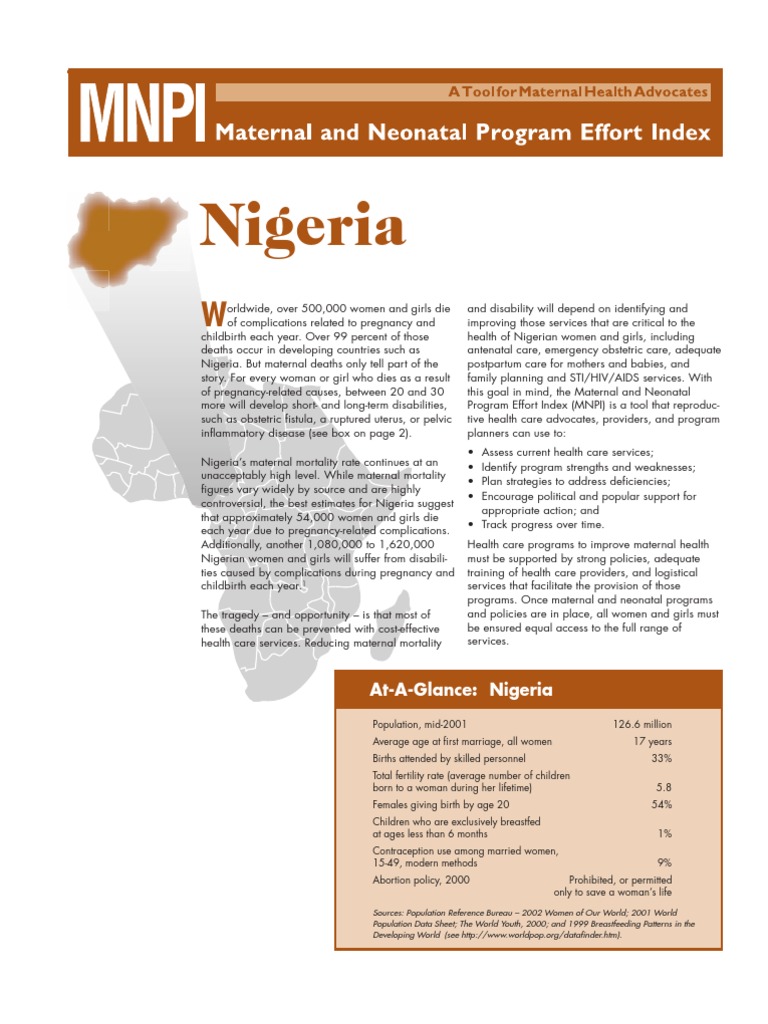
Maternal sepsis accounts for 11% to 15% of maternal deaths in sub-Saharan Africa and is the third most common direct cause of maternal mortality. In Nigeria, infections cause up to 15% of maternal deaths, with an increasing proportion of these being resistant to standard antibiotics. The World Health Organization (WHO) estimates that pregnancy-related infections are responsible for 10.7% of maternal deaths, with infection being at the root of more than 50% of maternal deaths in hospitals.
Despite this, Nigeria’s National Action Plan on Antimicrobial Resistance makes only a passing reference to women as a vulnerable population. While the plan commits to “equitable access” and addressing gender disparities, it falls short of explicitly naming maternal health in its strategic interventions. Maternity wards, obstetric infections, and postpartum sepsis are absent from the detailed action areas, risking keeping maternal AMR in the shadows.
Without maternal-specific indicators, resistant postpartum sepsis will remain under the radar. Without dedicated budget lines or training for obstetric clinicians, women will continue to be prescribed antibiotics blindly and often ineffectively during their most vulnerable moments.
Diagnostics and Health Workers Must Be at the Frontlines
The climate crisis is worsening the situation. Flooding, drought, and shifting rainfall patterns are triggering outbreaks of malaria, cholera, and typhoid, which repeatedly strain already fragile health systems. In maternity wards, these outbreaks amplify the pressure to act. Without adequate diagnostics, health workers often resort to broad-spectrum antibiotics as a default practice that fuels AMR.
A recent global diagnostic collaboration led by the Fleming Initiative, the Global Antibiotic Research and Development Partnership (GARDP), and the Foundation for Innovative New Diagnostics (FIND) is pushing for improved diagnostic equity, aiming to bridge diagnostic gaps, especially in low- and middle-income settings.
Elsewhere in other African countries, capacity for AMR surveillance is being strengthened. Kenya and South Africa are building AMR networks with support from the Fleming Fund, and the Africa Centre for Disease Control (Africa CDC) has emphasized diagnostics in its continental AMR strategy.
In Nigeria, some progress is visible. Rapid diagnostic tests (RDTs) for malaria and neonatal sepsis are helping clinicians make smarter treatment decisions. Though these tools are far from perfect, they offer a glimpse of what better decision-making could look like in constrained settings. Still, these efforts remain fragmented and limited in scale.
To truly protect mothers and newborns, we must act on the following urgent priorities:
- Make diagnostics a core investment in AMR and maternal health programmes.
- Deploy solar-powered, decentralised labs to reach rural and climate-impacted zones.
- Train and retain skilled laboratory professionals at all levels of care.
- Embed diagnostic access into national health and climate adaptation strategies.
- Scale local manufacturing and regulation of affordable diagnostic tools.
International collaborations will only go so far if they are not matched by bold national commitments. Countries must embed diagnostics into their maternal health and AMR strategies, allocate sustainable domestic financing, and strengthen regulatory pathways for local innovation.
Partnerships like the Fleming Initiative, GARDP, and FIND can help set direction, but ultimately, the future of safe childbirth in Africa depends on governments ensuring that no woman or newborn faces preventable death simply because a diagnostic tool was out of reach.
A Call to Action
As Nigeria prepares to host the 5th Global High-Level Ministerial Conference on Antimicrobial Resistance (AMR) in June 2026, the moment offers an opportunity and responsibility to ensure the discussions spotlight the devastating impact of AMR on maternal health and drive bold, gender-responsive commitments across Africa.


