The Grooming Gang Inquiry: A Controversial Path Forward
The issue of grooming gangs in the UK has long been a politically sensitive topic, with complex intersections involving ethnicity, race, and systemic failures. Despite multiple local reviews and the Independent Inquiry into Child Sexual Abuse (IICSA), it is widely acknowledged that the specific problem of grooming gangs has not been adequately addressed.
Baroness Louise Casey proposed a new approach to tackle this issue. Instead of a single, judge-led inquiry, she suggested a series of localized investigations overseen by a national commission with statutory powers. This was intended to be a different kind of inquiry, one that would focus specifically on grooming gangs rather than broader child sexual abuse issues.
However, the process has already faced significant challenges. One of the first points of contention is the scope of the inquiry. Four survivors who were part of the consultation panel have resigned, expressing concerns that the inquiry’s remit may be too broad, potentially extending beyond grooming gangs to include other forms of child sexual abuse and exploitation.
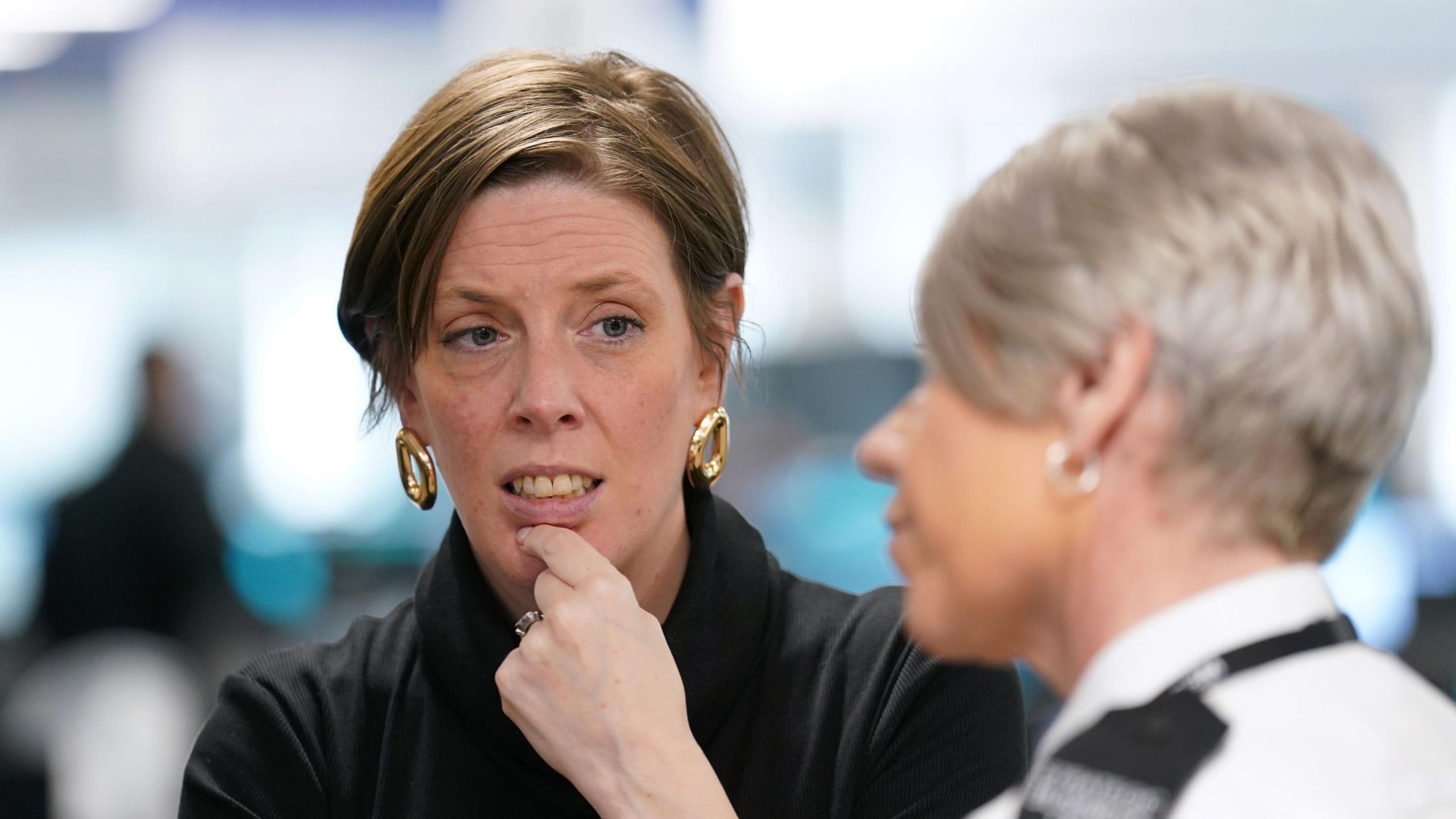
The government has denied these claims, with Safeguarding Minister Jess Phillips stating that it is “untrue” that the government is attempting to dilute the focus of the inquiry. This response, however, has only intensified the frustration among the survivors, who feel that their voices are being dismissed.
Survivors’ Concerns and Disagreements
The four resigning survivors argue that their concerns are valid and rooted in their experiences. They claim that being publicly contradicted by a government minister rekindles the feeling of not being believed—a sentiment they have endured for years. Some of them have called for Phillips to resign, while others, like Carly, remain on the panel but also want her to step down.
On the other hand, five other survivors have written to the prime minister and home secretary, insisting that Phillips should remain in her role. They argue that she has remained impartial and that her continued presence ensures consistency in the process. These survivors also emphasize the need for stronger confidentiality assurances for victims and no re-entry to the panel if someone decides to leave.
Additionally, they advocate for a broader scope that includes all forms of child sexual exploitation, not just grooming gangs. This divergence in opinion highlights the complexity of the situation and the difficulty in reaching a unified stance among survivors.
The Question of Scope
One of the key points of contention is whether the inquiry should have an explicit focus on “grooming gangs” or take a broader approach. Survivors who resigned expressed anger at the inclusion of this question, arguing that the original purpose of the inquiry was to address grooming gangs specifically.
The official terms of reference for the inquiry have not yet been finalized, as this can only happen once the chairperson is appointed. However, the survivors believe that the recommendation for an inquiry into grooming gangs was made precisely because the subject hasn’t been looked at in isolation at a national level before.
Communication Between Survivors and Officials
There have also been reports of direct communication between survivors and officials. For example, Fiona Goddard, a survivor, sent a text to Jess Phillips asking why the question about a broader approach was included. Phillips responded by explaining that the question was posed to gather feedback and ensure clarity on what the survivors wanted. She emphasized that she had no intention of manipulating the response and that the decision on the inquiry’s scope would be formally consulted on.
Chairperson Selection and Conflicts of Interest
Another point of disagreement revolves around the selection of the inquiry’s chairperson. Some survivors have expressed a preference for a judge-led inquiry, arguing that someone with a background in policing or social work might have conflicts of interest given the past failures of these agencies in protecting victims.
Conversely, others believe that a chairperson with relevant experience could bring valuable insights and understanding to the role. They also note that the judiciary and other systems have failed victims in the past, making it challenging to find someone entirely free from connections to the agencies under scrutiny.
Even if a judge-led approach is chosen, there is no guarantee of smooth sailing. The National Inquiry into Child Sexual Abuse, which went through three chairwomen before finding stability with Prof Alexis Jay, serves as a cautionary tale.
Confidentiality and Representation
Beyond the scope and chairperson selection, some survivors have raised concerns about confidentiality agreements and feeling silenced by officials. These experiences echo past frustrations, where victims felt unheard and marginalized by other institutions.
However, it is difficult to gauge how widespread these feelings are. While the four resigning survivors have been vocal, others who remain on the panel have also spoken out. Some survivors have chosen to waive their anonymity, gaining public attention, while others prefer to remain anonymous. This makes it challenging to determine whether their views represent the majority of survivors.
The Road Ahead
The success of this inquiry will depend on its ability to navigate these challenges while maintaining the trust of those who have advocated for it for years. The coming months will be critical in determining whether the inquiry can move forward effectively and fulfill its purpose.


