A Decade of Transformation and Growth
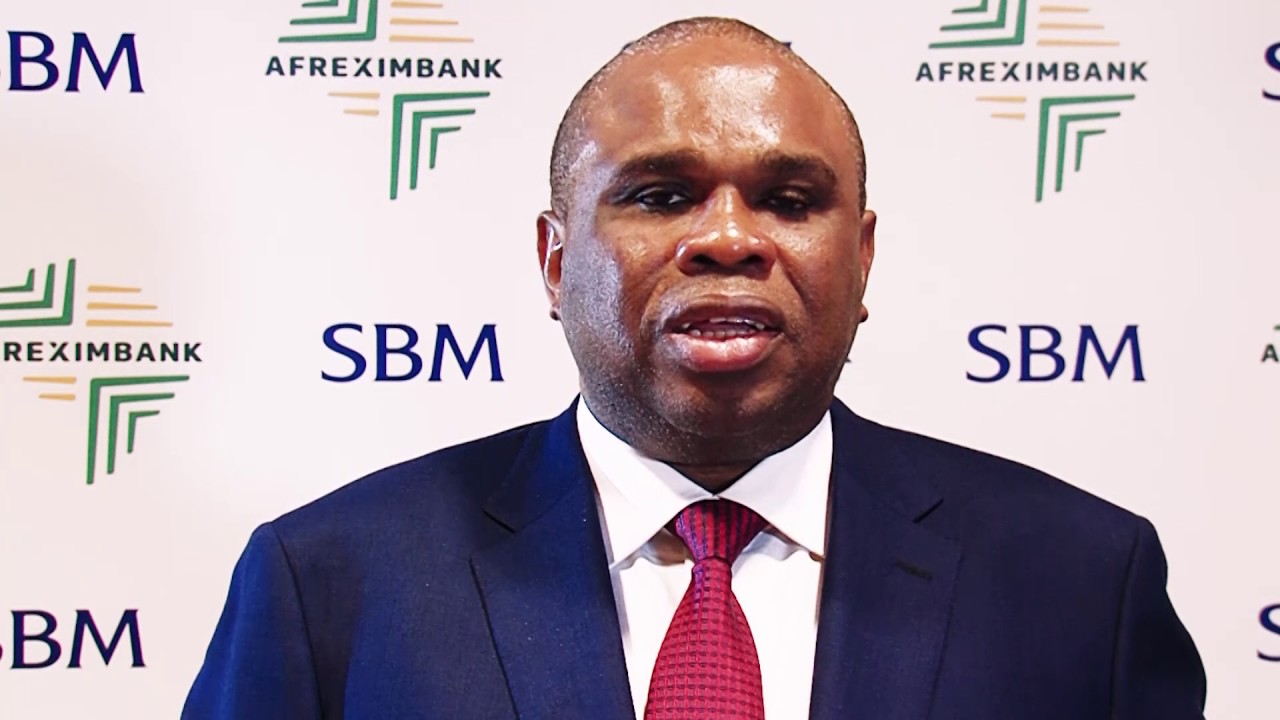
The outgoing President of the African Export-Import Bank (Afreximbank), Prof. Benedict Oramah, has highlighted a remarkable period of growth and development during his decade-long leadership. Under his guidance, the bank expanded its balance sheet and guarantees nearly eightfold, growing from $6 billion in 2015 to almost $44 billion in 2025. This achievement reflects the institution’s resilience and its pivotal role in advancing Africa’s development.
Speaking at a farewell conference in Cairo, Oramah emphasized that the focus on institutional strength and financial health was instrumental in this growth. He stated, “We kept a sharp focus on institutional strength and financial health and grew the balance sheet and guarantees almost eightfold, from $6 billion in September 2015 to almost $44 billion in September 2025.”
Oramah also noted that the bank achieved strong financial returns for shareholders, paying out an aggregate of almost $1.4 billion as dividends from 2015 to 2024. This success was anchored on a deliberate philosophy that Africa’s economic emancipation must be driven from within, promoting intra-African trade and investment as the “arrowhead” of Afreximbank’s strategy.
Addressing Challenges and Building Resilience
When Oramah assumed office in 2015, the continent faced significant challenges, including a commodity crisis, setbacks in industrial transformation, and weak trade integration. Many doubted the bank’s broad agenda, but it became clear that Afreximbank had to “fight on all fronts” to make progress. Oramah explained that history showed external interests were mostly predatory and parasitic unless engaged from a position of strength and purpose.
During his tenure, the bank delivered several key interventions. It supported the African Continental Free Trade Agreement (AfCFTA), launched the Pan-African Payment and Settlement System backed by a $3 billion facility, and made “African currencies legal tenders across African borders.” The AfCFTA Adjustment Fund now has $1 billion in commitments, while the Intra-African Trade Fair has attracted over $170 billion in trade and investment deals and drawn 180,000 visitors.
Other initiatives included the launch of the Africa Trade Gateway digital platform and Afreximbank Trade Centres to ease access to trade and investment information. The bank also harmonized about 500 standards for pharmaceuticals, agriculture, automobiles, and textiles, and launched a collaborative transit guarantee scheme supported by $1 billion in guarantee limits.
Expanding Industrial and Economic Ties
Industrial parks and special economic zones have emerged across the continent, creating manufactured exports where none had existed before. The bank also supported heavy industries such as the Dangote Refinery and Petrochemical Plant. Socio-economic ties with the Caribbean and the wider African diaspora were reignited, and the African Medical Centre of Excellence projects are paving the way for greater access to healthcare.
Recalling the COVID-19 pandemic, Oramah said the bank rose to the challenge, disbursing over $10 billion in the pandemic intervention. It also provided $2 billion to help Africa and the Caribbean procure vaccines.
Strengthening Partnerships and Institutional Resilience
Oramah stressed that the bank maintained institutional strength while diversifying funding sources. Partnerships with African governments, central banks, and corporations became critical to its resilience. He acknowledged the contributions of international commercial banks such as Standard Chartered, HSBC, SMBC, and MUFG, as well as development finance institutions like KfW and AFD, and export credit agencies from countries including Canada, China, India, Finland, and Germany, which helped the bank attract and disburse more than $155 billion over the past decade.
Reflecting on his journey from joining the bank as one of its pioneer staff in 1994 to becoming president in 2015, Oramah paid tribute to those who shaped his career. He praised the bank’s staff, whom he once described as “Co-Mandated Lead Arrangers,” saying they had “successfully closed the deal” of delivering the bank’s mandate over the past decade.
Honors and Legacy
Oramah expressed gratitude to clients, including 500 partner banks, major corporates such as the Dangote Group, NNPC, and Sonangol, as well as African governments and shareholders whose backing helped sustain the bank through economic shocks. He thanked partners, including the African Development Bank and members of the Alliance of African Multilateral Financial Institutions, for their joint work on trade and industrialisation.
He also appreciated the government and people of Egypt for hosting the bank, as well as his family, friends, and late parents for their support throughout his 31-year career. Despite the progress celebrated today, Oramah acknowledged that the challenges of development remain significant, but he expressed confidence in his successor, Dr. George Elombi, describing him as well-prepared after nearly 30 years in the bank.
Tributes and Recognition
Speaking earlier, Afreximbank’s Executive Vice-President, Dr. George Elombi, paid glowing tribute to Oramah, describing him as a rare leader who fused vision with execution and left a lasting imprint on Africa’s development journey. Elombi, the incoming president of the bank, said Oramah stood out as one of the very few in the world capable of combining bold ideas with practical delivery.
He recalled that the Governor of the Central Bank of Nigeria had earlier described Oramah as part of “the 0.8 per cent who combine vision and execution,” adding that many leaders possess one but not both. Elombi, who joined Afreximbank in 1996, said Oramah’s energy was visible from the onset as he handled multiple roles with tenacity.
According to him, Afreximbank under Oramah pursued a portfolio approach that went beyond trade to tackle the infrastructure underpinning it, helping the bank grow from $6 billion in 2015 to over $40 billion in assets. He said this growth produced key offshoots such as FEDA, AfrexInsure, a project preparation fund, a concessional finance window, and the African Medical Centre of Excellence.
“He has helped turn the bank into Africa’s development supermarket,” Elombi said. He listed several national and international honours conferred on Oramah, including Nigeria’s Grand Commander award and the Onitsha title of “Dikeora” – the Great Man of the People, which he likened to a great masquerade.
“You have instilled in us a can-do spirit, the courage to continue challenging the status quo, to challenge the orthodoxy that preaches that nothing good can come out of our continent,” he said.
Emotional Farewell and Lasting Impact
In one of the most emotional moments of the farewell, Mrs. Chinelo Oramah, wife of the outgoing president, moved the audience as she spoke about the personal side of her husband’s journey. She recalled a period of illness when the “concern of the board, management, and staff” saved his life, describing the support as more than employment but “family, love, and humanity at its finest.”
She thanked the bank for securing her children’s education and praised the Afreximbank Spouses Network for its solidarity.
The valedictory ceremony in Cairo was marked by glowing tributes to Prof. Benedict Oramah, widely hailed as Africa’s trade architect, a scholar and patriot whose vision turned ideas into enduring institutions and transformed the bank into a continental force. The event drew former and serving African heads of state, business leaders, bankers, and diplomats.
Among those who paid tribute were Nigeria’s Aliko Dangote, former Afreximbank presidents Jean-Louis Ekra and Christopher Edordu, Ogun State Governor Dapo Abiodun, and AfCFTA Secretary-General Wamkele Mene, all praising Oramah’s indelible legacy.


