A Volunteer’s Journey: From Waitrose to Asda and Back
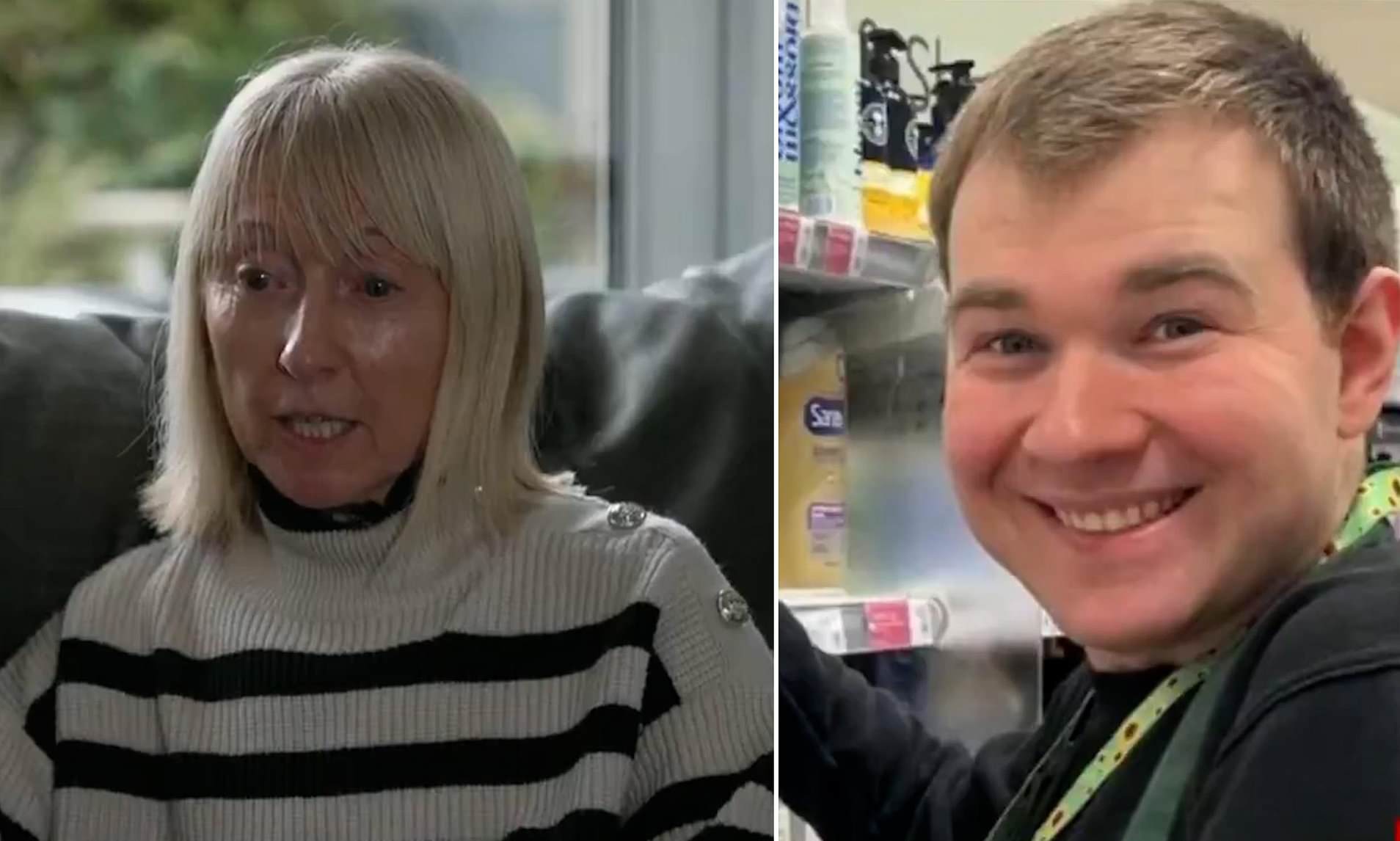
Tom Boyd, a 28-year-old autistic volunteer, has found himself at the center of a growing debate after his work experience at Waitrose came to an unexpected end. His story highlights the challenges faced by individuals with autism in the workplace and raises important questions about how companies handle such situations.
Since 2021, Tom had been volunteering at a Waitrose store in Cheadle Hulme, Greater Manchester, clocking up over 600 hours of unpaid work alongside a support worker. The job gave him a sense of structure, independence, and purpose, which he deeply cherished. However, when his mother, Frances Boyd, asked if her son could be offered “just a few paid hours,” the situation took an unexpected turn.
Waitrose’s head office reportedly told her that Tom’s work experience placement would have to end. This decision left the family in shock, especially since Tom had developed a strong bond with the store staff and felt a deep sense of belonging there.
A New Opportunity from Asda
Before the situation at Waitrose was resolved, Asda stepped in with an offer of two five-hour paid shifts per week. This development placed Tom and his family in a difficult position, as they now had to decide between returning to their previous place of work or accepting a new opportunity.
Frances expressed mixed feelings about Waitrose’s change of heart. While she acknowledged that Tom “absolutely loved” his old job and praised the store staff for their support, she also felt hurt by the way the company handled the situation. In contrast, Asda provided the family with a sense of flexibility and support. According to the company’s national rate, Tom would be paid £12.60 an hour, which is an increase of 15p since October.
Asda’s approach seemed more inclusive, with the company even asking Tom what aisle he would prefer to work in. This level of consideration made the offer particularly appealing to the family.
The Debate Over Volunteer Rights
Volunteers do not have the same legal rights as employees because they do not have a contract of employment. They usually receive a volunteer agreement outlining the level of supervision, training, insurance coverage, health and safety issues, and any expenses covered by the organization. While this agreement is not mandatory, it helps set expectations.
In Tom’s case, his mother blamed “head office” for turning down the request for paid work. She revealed that the company was concerned about the number of unpaid shifts Tom had completed and said he would not be able to work until the situation was resolved.
Despite the challenges, Tom’s parents were committed to supporting him. Even though the work at Waitrose was unpaid, they gave him £3 each morning to save or spend as he liked, helping him feel independent.
A Difficult Decision
The family is still considering both offers and has not yet decided which path to take. For Tom, being able to go out and work has been a source of structure and achievement. He used to say, “I’m working like my dad and my brother,” which shows how meaningful the experience was for him.
Waitrose has since expressed its willingness to welcome Tom back into the store. In a statement, a spokesperson said, “We care deeply about helping people into the workplace who might otherwise not be given a chance.” The company is investigating the situation and hopes to see Tom return in paid employment.
The Broader Implications
This incident has sparked a broader conversation about how employers should treat volunteers, especially those with disabilities. It also highlights the importance of clear communication and understanding between organizations and their volunteers.
Mayor Andy Burnham of Greater Manchester has publicly supported Tom, calling the treatment he received “truly terrible.” He has vowed to help Tom find another placement and encouraged all employers, including Waitrose, to sign up to the Bee Neuroinclusive Code of Practice.
Frances has accepted the mayor’s offer to become an advocate for the campaign, showing her commitment to ensuring better treatment for others in similar situations.


