A Journey Through the Legacy of Inyambo Cows in Rwanda
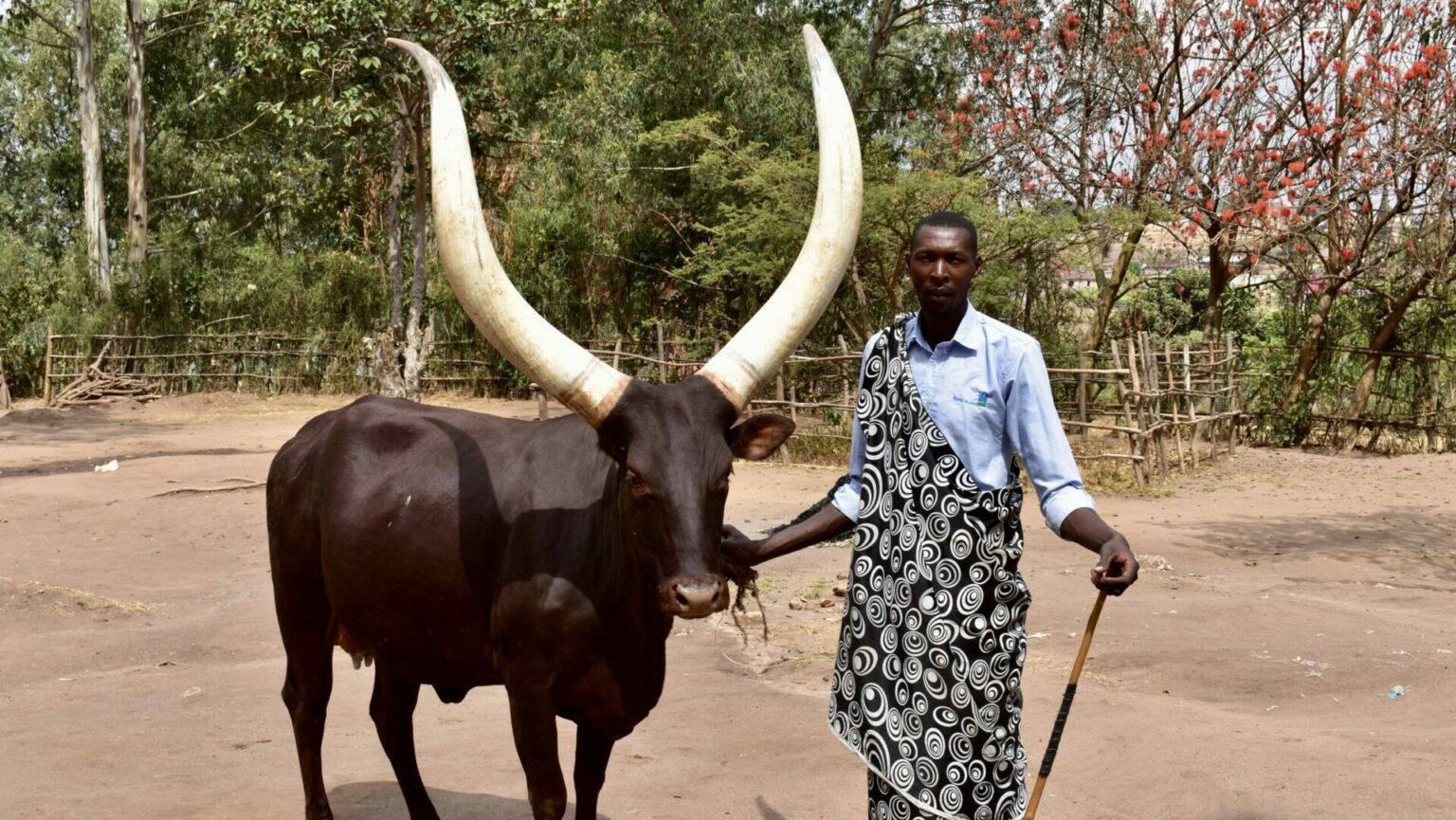
Nestled among the rolling green hills of Byumba, there are countless sights that can captivate the eye. When the persistent fog finally lifts, the majestic volcanoes come into view, and on days when the skies are clear, the beautiful mountains of neighboring Uganda stretch across the horizon. Yet, for many, nothing compares to Ikiraro cy’Inyambo, a sanctuary dedicated to Rwanda’s traditional and exclusive cows, where culture and heritage thrive in the heart of this vibrant region.
Rwandans have always held a deep affection for cows, but Inyambo hold a special place in their hearts. These majestic creatures are not just animals; they are revered, cherished, and cared for with extraordinary devotion. While this tradition is deeply rooted in culture, Rwanda’s turbulent history has not always been kind to them. The preservation of Inyambo has become a mission for those who understand their significance.
One of the key figures in this effort is Maître Rutinywa Rugeyo, a 67-year-old man whose dedication to safeguarding the legacy of Inyambo is truly inspiring. He has built a sanctuary for the cows in Mulindi, Byumba, and is also the author of a book titled Rwanda: Pastoral Evolution and the Place of Inyambo, which tells the true story of these remarkable animals.
The Origins and Significance of Inyambo
What inspired Rugeyo to focus on Inyambo? It was a blend of personal heritage and a deep love for cows. Born into a family that kept Inyambo, he developed an early passion for these animals. Later, after the country’s liberation, he was tasked by a senior leader to find out if any Inyambo remained in Rwanda or if they had to be recreated from what was left. This task only deepened his commitment to preserving the breed.
His book explores the history of Inyambo, detailing how they were once thought to be extinct and how they were eventually restored. He also addresses past narratives that he believes needed to be corrected. Currently, he is working on another book, Amabanga Imana yabikije inka, which will delve into the lesser-known aspects of the cow.
The Challenges Faced by Inyambo
The history of Inyambo in Rwanda has not been without its challenges. During colonial times, the cow was seen as a central part of Rwandan life, and colonizers sought to undermine cultural values. Inyambo, being associated with the monarchy, faced particular difficulties. For example, during post-colonial upheavals, some herds were unable to cross into Uganda for refuge because they were linked to the king.
There was even an instance where President Kayibanda ordered the slaughter of Inyambo at the Gabiro military base. Soldiers tested the myth that eating Inyambo would lead to death by feeding the meat to herdsmen. When no one died, they proceeded to eat it themselves. This marked a dark chapter in the history of Inyambo.
The Secret of Breeding Inyambo
The breeding of Inyambo is shrouded in secrecy. According to Rugeyo, the process starts with an Inyambo bull, though the origin of this bull remains a mystery. The secondary breeding involves an Inkuku cow, which produces the Ikigarama cow. This cow is then bred with an Inyambo bull to create the Inkerakibumbiro, and so on, until the pure Inyambo z’ingegene is achieved after four generations.
Some people confuse Inyambo with Ankole cows, but Rugeyo clarifies that they are not the same breed. The term “Ankole” originated from colonial narratives, but Inyambo have always been distinct. Many Inyambo cows ended up in Uganda due to historical migrations, contributing to their preservation.
The Return of Inyambo to Rwanda
Bringing Inyambo back to Rwanda was a complex process. After the 1994 genocide, many Rwandans returned with their cattle, but not all were properly assessed for authenticity. This led to the creation of the Ikirari cy’Inyambo project, which aimed to identify and restore genuine Inyambo. The financial cost was high, but the emotional and cultural value made it worthwhile.
Today, the interest in Inyambo among young people is encouraging. They are eager to learn about their heritage and understand the importance of these cows. Rugeyo believes that while progress has been made, more can still be done to promote the keeping of Inyambo.
Advice for the Next Generation
To young people interested in the story of Inyambo, Rugeyo offers valuable advice. He encourages them to preserve the social fabric that binds their country together and to continue exploring the cultural and practical benefits of Inyambo. Beyond their cultural significance, these cows can also play a role in mental well-being, helping individuals cope with depression and anxiety.
As the story of Inyambo continues to unfold, it remains a powerful symbol of Rwanda’s rich heritage and resilience.


