The Persistent Role of Tobacco in African Economies
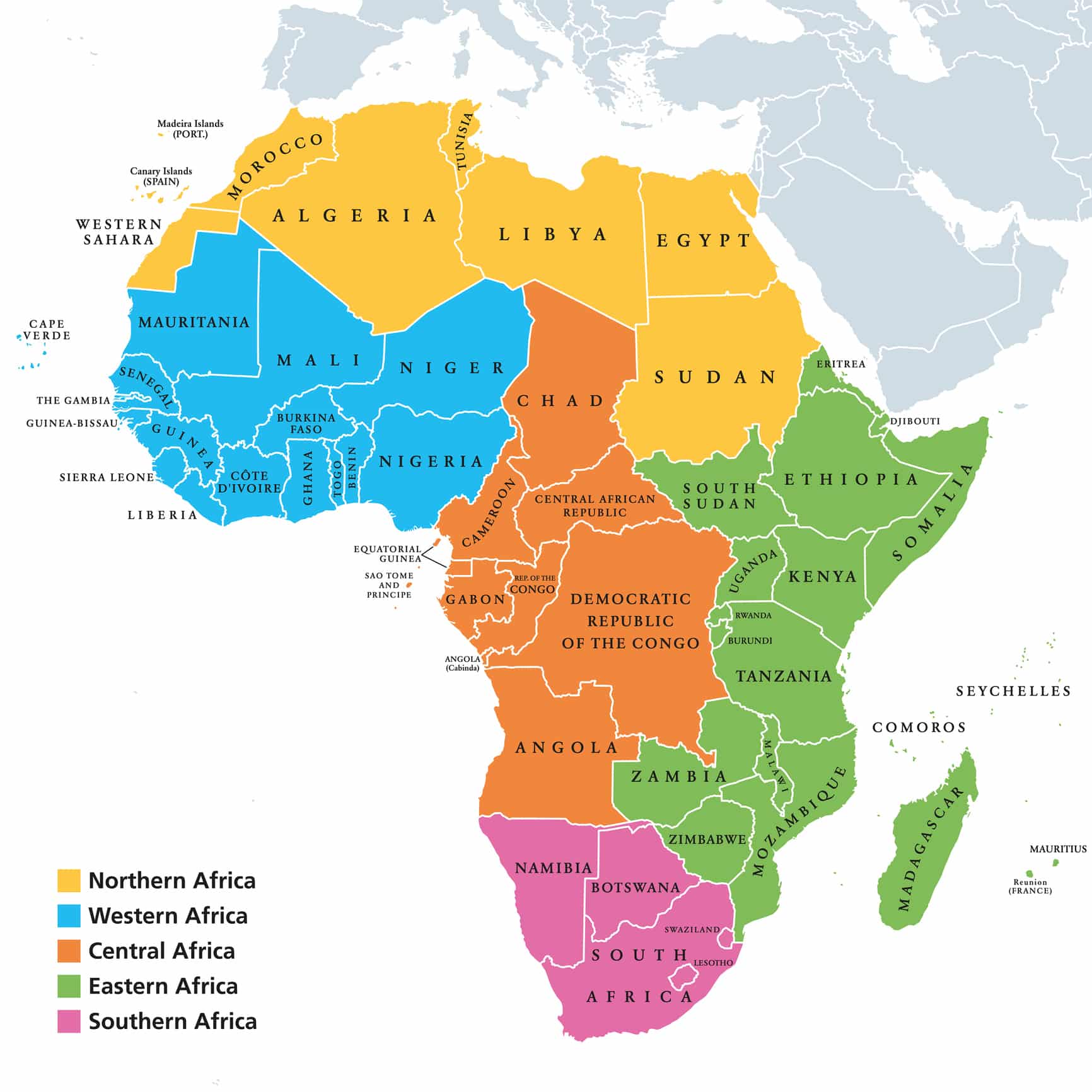
Tobacco remains a vital component of many African economies, yet it continues to pose significant public health challenges. This duality creates an ongoing tension between economic reliance on tobacco and the imperative to safeguard public health. Countries across the continent are caught in a complex web of interests, where the need for revenue and employment conflicts with the goal of reducing tobacco-related illnesses.
Zimbabwe: A Major Player in Tobacco Production
Zimbabwe stands as Africa’s largest producer of flue-cured tobacco, with its 2025 output reaching 355 million kilograms valued at US$1.2 billion. For the 2025/26 farming season, the country had registered approximately 82,000 growers by the end of October 2025, a decrease from 126,000 during the previous season. This decline highlights the shifting dynamics within the industry, potentially influenced by changing market demands and policy adjustments.
Malawi: Another Key Producer
Across the border, Malawi is another major player in tobacco production. In 2025, the country was projected to produce 175 million kilograms of tobacco, marking a 31% increase compared to the previous year’s output of 133 million kilograms. This growth underscores the continued importance of tobacco in Malawi’s economy, despite the associated health risks.
The Dilemma of Tobacco-Dependent Economies
Many African countries that depend heavily on tobacco as a foreign currency earner and contributor to GDP face significant challenges in implementing effective control measures and fair taxation policies. The situation is further complicated by the emergence of novel nicotine products, which often face higher taxes than traditional cigarettes.
Sahan Lungu, a Tobacco Harm Reduction practitioner from Malawi, emphasized the difficulty of implementing stringent tobacco control measures in a country where tobacco accounts for over 60% of national export earnings. He noted that smallholder farmers perceive tobacco farming as economically viable due to its profitability.
Lungu also pointed out the lack of coordination among the Ministries of Finance, Agriculture, and Health, which hinders the development of comprehensive Tobacco Harm Reduction strategies. He advocated for a collaborative approach that balances health, agriculture, and trade considerations.
Taxation: A Double-Edged Sword
In Zimbabwe, excise taxes on tobacco products are used to fund health initiatives and fiscal reforms. However, balancing fiscal needs with industry interests remains a challenge. A notable example was the reversal of a proposed 10% tax on tobacco farmers in 2017 following industry backlash.
South Africa, a signatory to the World Health Organisation Framework Convention on Tobacco Control (WHO-FCTC), has implemented varying tax regimes to reduce tobacco use. Between 1994 and 2009, South Africa saw a sharp increase in excise taxes alongside stronger tobacco control laws, leading to a decline in smoking rates and increased revenue.
Despite these efforts, smoking rates and deaths from tobacco-related diseases remain high. Data from the Global State of Tobacco Harm Reduction shows that 20.3% of South African adults aged 15 and older smoked regularly in 2022. This raises critical questions about the effectiveness of current policies.
The Rise of the Illicit Tobacco Market
The illicit tobacco market has grown into a multibillion-dollar enterprise, with estimates suggesting it represents 11–15% of the global market. In South Africa, the illicit tobacco trade was estimated to cost the economy around ZAR20 billion in 2023. This issue has been described as a “national disaster” by Francois van der Merwe, spokesperson for the South Africa Tobacco Transformation Alliance.
Magero highlighted that excessive taxation often drives consumers into the black market, undermining public health goals and creating challenges for authorities in tracking consumption trends.
Regulatory Efforts and Challenges
In Kenya, the government has proposed the Tobacco Control Amendment Bill to regulate both traditional tobacco products and newer nicotine-delivery systems. This reflects a growing recognition of the need for updated legislation to address emerging challenges.
However, the road ahead remains fraught with obstacles. Balancing economic interests with public health imperatives requires careful policy design, strong enforcement, and international cooperation. As African nations navigate this complex landscape, the goal remains clear: to protect public health while ensuring sustainable economic development.


