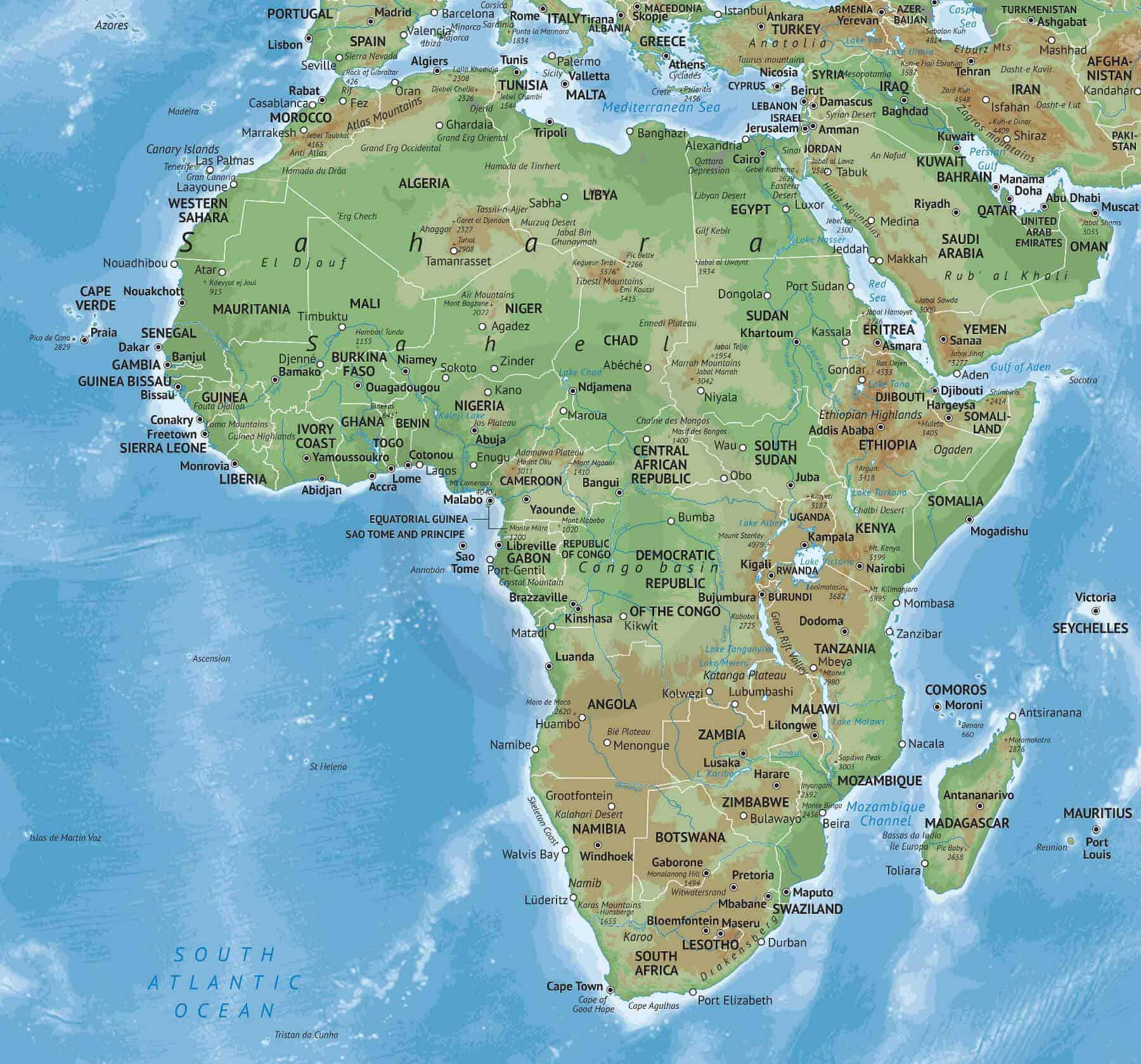
Africa’s Rising Voice on the Global Stage
The United Nations General Assembly (UNGA) high-level week has often been viewed as a platform for grand speeches and diplomatic performances. However, this year marked a significant shift as Africa stepped forward with a powerful message. It was no longer the voice of a continent seeking aid or recognition but rather one demanding partnership, rethinking development models, and proposing bold solutions to global crises.
Africa’s presence at UNGA was not just symbolic; it highlighted a growing determination to shape its own future. The continent is increasingly seen as a key player in addressing global challenges, from climate change to digital transformation. This new era of engagement underscores the idea that the world’s future is deeply intertwined with Africa’s progress.
New Partnerships and Digital Transformation
One of the most notable developments during the UNGA week was the collaboration between the International Telecommunication Union (ITU), Google, and musician-entrepreneur will.i.am. This partnership aims to bridge Africa’s digital divide by expanding connectivity and providing training to foster new digital economies. The significance of this alliance lies in its emphasis on Africa as a co-creator of solutions rather than merely a recipient of aid.
However, such partnerships must go beyond symbolism. African leaders stressed the importance of real investment, technology transfer, and local ownership. Past UNGA announcements have often failed to deliver meaningful results, leaving many African nations more dependent than before. The challenge now is to ensure these new initiatives break that cycle and empower Africa’s youth, who are ready to innovate and compete globally.
Reimagining the Sustainable Development Goals (SDGs)
The halfway point to 2030 has revealed that the SDGs are off track, particularly in Africa, where poverty, hunger, and inequality remain pressing issues. Instead of rejecting the SDGs, African voices at UNGA called for a reevaluation of their approach. The original goals, designed in 2015, did not fully account for modern challenges like climate change, technological inequality, and debt crises.
To address this, the SDGs must evolve. This includes incorporating priorities such as digital inclusion, climate resilience, and data equity. It also requires financing mechanisms that support sustainable growth without burdening African countries with unsustainable debt. The goal is to move away from donor-driven metrics and instead recognize and amplify the continent’s own innovations.
Innovation in Agriculture and Finance
In agriculture, digital platforms are helping smallholder farmers access real-time weather data, connect with markets, and increase yields despite climate challenges. In finance, Africa’s mobile money ecosystem has demonstrated how innovation can leapfrog traditional systems. These examples show that African entrepreneurs are already reshaping development from the ground up.
The next frontier is artificial intelligence (AI). Africa cannot afford to be a passive consumer of AI systems built elsewhere. Instead, the continent needs to invest in local data infrastructure, AI skills, and ethical frameworks rooted in African realities. A continental strategy on AI is essential, positioning Africa not just as an adopter but as a global thought leader.
GaiaVerse: A New Tool for Climate Action
One of the most groundbreaking presentations at UNGA was the launch of GaiaVerse, a platform that uses AI, big data, and Earth observation to address the climate crisis. By harnessing satellites, sensors, and machine learning, GaiaVerse will help predict droughts and floods, assist farmers, track deforestation, and provide negotiators with real-time climate data. For African farmers, this means greater resilience and fewer crop failures. For global climate diplomacy, it means Africa can come to the table armed with data — and data is power.
Security and Governance Challenges
Security was another central theme at UNGA. Kenyan President William Ruto spoke about new “security concoctions” to address conflicts in Sudan, the Sahel, and beyond. However, his words were met with skepticism, especially given the recent events in Kenya where 300 people were killed during tax protests. This highlights a paradox: Can African leaders credibly export security solutions when domestic governance is so fragile?
True leadership begins at home. Without strong governance, Africa’s global peacekeeping ambitions risk being dismissed as political theater. Structural changes are needed, including debt restructuring, fairer lending terms, and greater access to capital markets. On climate, Africa contributes the least to emissions but suffers the most, calling for just and predictable climate finance.
Trade and Economic Opportunities
On trade, Africa seeks to be part of global value chains for the green transition. The continent has vast reserves of lithium, cobalt, and platinum, which can be leveraged for industrialization at home rather than just for export. This vision aligns with the broader goal of transforming Africa into a formidable partner on the global stage.
Conclusion
The message is clear: the world ignores Africa at its own peril. By 2050, one in four people on Earth will be African. The continent holds the minerals that power the green transition and the youngest workforce in the world. Africa is not the problem; it is the key to solving global challenges.
The UNGA High-Level Week showed that Africa is the agenda — on digital innovation, on AI readiness, on climate solutions, and on new visions for security and development. However, much relies on the integrity of its leaders. The contradictions between bold speeches abroad and fragile governance at home cannot be ignored. Citizens across the continent are demanding that the promises of partnership, innovation, and dignity translate into real change in their daily lives.

Related posts:

Fiction park: He was the best in class. He still wasn’t good enough
Gagan Thapa takes oath as Congress president, vows to regain public trust

Inside knowledge that has locals gripped by fear after gran’s body found decomposing in cattle dip

New property purchase disclosure rule in Japan sparks fears it may curb foreign investment

Dino-mite treasures: inside Singapore’s Fort Knox storing playthings of ultra-rich