The Devastating Impact of Natural Disasters on Nepal’s Tourism Industry
Nepal, Oct. 17 — The tourism industry in the far-eastern hills and mountains, particularly in Ilam, Panchthar, and Taplejung, has been hit by a series of challenges that have left the region reeling. Initially shaken by the Gen Z movement, the area now faces another severe blow from recent natural disasters.
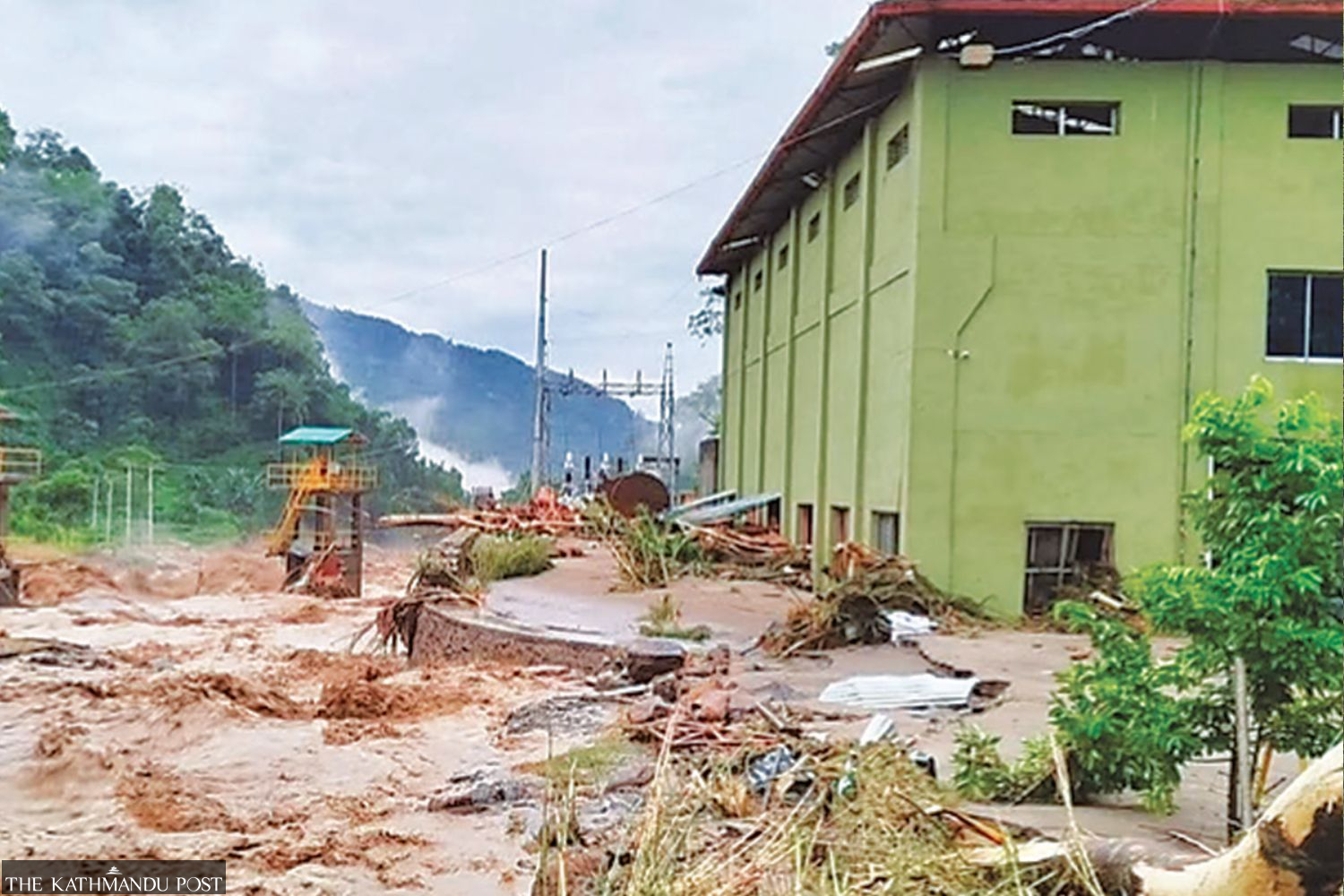
The Mechi Corridor, once a hub for both domestic and international tourists, has seen its hopes washed away by the devastating floods and landslides of October 5. This region, known for its natural beauty and cultural significance, has suffered immense damage, leading to a near-complete collapse of tourism activities.
The Mechi Highway, which served as a vital lifeline for travelers visiting Ilam, Panchthar, and Taplejung, has been severely affected. This highway was not just a route but a gateway to some of the region’s most iconic attractions, such as Ilam’s Mai Pokhari, Panchthar’s Timbung Pokhari, and Taplejung’s Pathibhara Temple.
Devi Paudel, a local tourism entrepreneur in Ilam, expressed her despair: “This year, just when the tourist season began, the Gen Z movement halted everything, and now the disaster has destroyed what was left. We are crushed beyond recovery.”
Economic Pillars Shattered
According to local tourism entrepreneurs, the disaster has shattered both pillars of the regional economy—tourism and agriculture. Roads have collapsed, bridges have been washed away, and several others are on the verge of collapse. With the infrastructure that supports the region damaged, tourist arrivals have plummeted to near zero.
Paudel emphasized the dire situation: “Until the roads and bridges are repaired, there’s little chance of tourists returning. This is a huge blow to Ilam’s tourism industry.” The number of tourists heading to Taplejung’s Pathibhara Temple via the Mechi Highway has dropped sharply. Sites like Sandakpur, Mai Pokhari, Timbung Pokhari, and Pathibhara Temple—popular for both religious and natural tourism—have been severely affected.
Hotel bookings have fallen to zero, according to Ilam hotelier Surendra Rai. “There’s no aroma of tea or coffee in Ilam’s cafes anymore—only the scent of worry,” he said. Homestay operators have also been hit hard, with over 200 homestays across the region standing empty.
Lila Bhattarai, who runs a homestay in Mai Pokhari, explained: “There’s no road access to get here, so expecting tourists is beyond imagination.”
A Major Shift in Tourism Activities
In recent years, the Mechi Corridor had gained popularity for mountain biking, especially among Indian riders. These riders traveled from Ilam through Mai Pokhari to Sandakpur and from Phidim to Falelung. However, this activity has come to a halt due to the recent disasters.
Niraj Kattel, information officer at the Tourism Office in Kakarbhitta, noted: “Hundreds of Indian riders used to enter Nepal annually through this route, but that too has come to a halt.” With tourism flows frozen, the economies of all three districts have suffered, he added.
The trekking industry has also been devastated. This was the time of year when domestic and foreign trekkers hiked to the base of the world’s third-highest peak, Kanchenjunga. Amir Rai, director of Trek 8586 trekking agency, said: “But the disaster has shattered everything.”
Government Response and Local Concerns
The government has declared Ilam a “disaster-crisis zone,” but local business groups say there is no clear plan to revive the economy. Krishna Paudel, president of the Ilam Chamber of Commerce, asked: “The government might rebuild homes, but who will rebuild the trust to bring tourists back?”
Homestays and lodges in Falelung Rural Municipality’s Wards 4 and 5 of Panchthar used to be packed during this time of year. High-altitude destinations like Falot, Chararate, and Sandakpur would overflow with domestic tourists and visitors from India’s Bengal and Punjab states, drawn by the panoramic sunrise and Himalayan views.
Shilpa Rai, a local tourism entrepreneur, shared her experience: “Every year from Ghatasthapana—the first day of the two-week-long Dashain festival—until late November, we’d be fully occupied. But the floods and landslides of October 5 destroyed everything.”
The Broader Impacts
After the monsoon ends, the highlands usually enjoy sunny days, mild temperatures, and clear mountain views, making it the “golden season” for tourism. Locals say that just as the industry was beginning to recover from the Gen Z protests, the floods and landslides struck, leaving the entire corridor silent again.
Not only Falelung, but hotels in Phidim, the district headquarters, are also deserted. Normally, they would be packed with pilgrims visiting Pathibhara Temple during the festival season. Deepak Nepal, owner of Manswi Hotel and a central member of the Federation of Nepalese Chambers of Commerce and Industry, said: “But this year, the disaster hit right during Dashain, and not a single booking came in during the main season.”
Hotels such as Manswi, Sargam, Sagun, Batika, and Ajima, which typically hosted pilgrims and tourists, are now empty. At this time of year, Taplejung’s Pathibhara Temple should have been overflowing with pilgrims—between 17,000 and 21,000 visitors a day. But currently, only around 2,000 people visit daily, most rerouted via the Tamor Corridor since the Mechi Highway was blocked.
Bikash Gautam, president of the Taplejung Chamber of Commerce, said: “The disaster has shaken the entire business chain. We still don’t know how long its effects will last.”
Additional Challenges
Taplejung’s other major attraction, the Kanchenjunga region, is also deserted. Chhiring Sherpa, a Ghunsa hotelier, said: “The weather was clear, bookings were strong, and tourists from Israel, the US, and the UK had confirmed visits. But first came the Gen Z movement, and then the floods and landslides added more crises.”
Tashi Sherpa, tourism assistant at the Kanchenjunga Conservation Area Management Council in Ghunsa, noted: “Fewer than 200 tourists have arrived this season, compared to more than 400 last year. Local roads are open, but the highway blockage has shut everything down.”
Even fuel supply has been disrupted. Tara Baral of Ashika Oil Supplies said: “Transporting petrol and diesel from the plains has become difficult. The fuel shortage has directly affected transport and hotels.”
Meanwhile, Taplejung’s main cash crop—cardamom—has also suffered. Bhadra Bir Regmi, president of the Taplejung Cardamom Entrepreneurs’ Association, said: “Just when the export season began, the prolonged highway blockage stopped all shipments.” Farmers, fearing theft and fire in remote villages, had brought their harvests to the district headquarters in Phungling, but now the stock remains in storage. “We can’t even transport it to Jhapa,” Regmi said.


