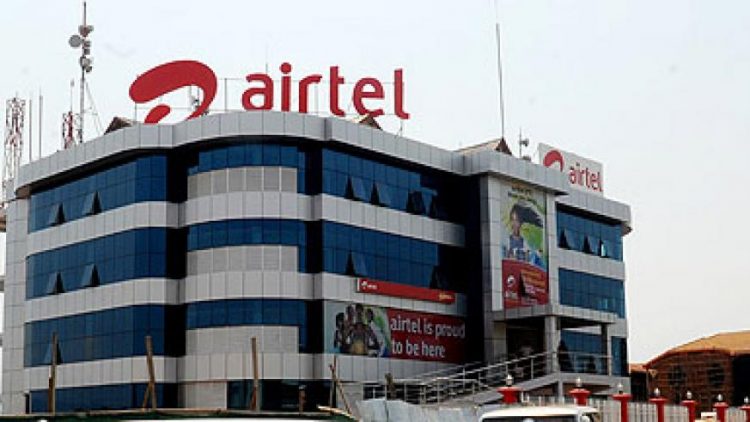
Airtel Nigeria Expands Digital Infrastructure with New Subsea Cable Landing Station
Airtel Nigeria is making significant strides in enhancing the country’s digital infrastructure by planning to construct a subsea cable landing station in Port Harcourt, located in the oil-rich Niger Delta. This initiative aims to create a second gateway for international connectivity and strengthen the nation’s digital backbone.
Currently, the majority of Nigeria’s internet traffic flows through Lagos, the commercial hub where multiple undersea cables make landfall. The new landing station in Port Harcourt will provide an alternative point of entry and exit for data, reducing the risk of disruptions that could occur if the existing infrastructure were compromised.
Hermanpreet Dhillon, the Chief Technology Officer of Airtel Nigeria, highlighted the importance of this project during an interview. He mentioned that the station would enhance redundancy, expand international capacity, and support emerging technologies such as cloud computing and artificial intelligence.
Nigeria, Africa’s most populous nation with over 200 million people, has witnessed rapid growth in digital services. Information and communications technology now contributes approximately 20% to real GDP growth. However, connectivity has been concentrated in Lagos, creating a single point of vulnerability.
The Port Harcourt landing station is expected to improve connectivity to the rest of the world, offering better and more reliable access. Alongside this project, Airtel is also advancing plans for a 38 MW hyperscale data centre in Lagos, which will be the largest in Nigeria. The facility will be situated in Eko Atlantic City, attracting major corporate tenants like First Bank of Nigeria, Dangote Group, and MTN Nigeria.
Dhillon emphasized that the data centre is designed to meet the increasing demand for cloud and AI services. He stated that the facility will play a crucial role in supporting innovation and information sharing, contributing to the company’s broader investment strategy.
In addition to the subsea and data centre projects, Airtel is focusing on expanding its network through new fibre rollouts, spectrum acquisition, and upgrades to its existing 2G, 4G, and 5G networks. The company is also repairing damaged fibre in its network to improve resilience and partnering with Starlink and OneWeb to provide backhaul capacity in areas where fibre cannot reach.
According to Airtel’s financial statement, capital expenditure in Nigeria increased to $39 million in the second quarter of 2025, up from $38 million in the same period last year. At the group level, full-year capex guidance remains between $725 million and $750 million, indicating continued investment in the coming quarters.
Airtel, which serves over 50 million subscribers in Nigeria, aims to deliver faster speeds, ultra-low latency, and better network stability through its mix of international connectivity, robust domestic infrastructure, and rural expansion. The company currently covers about 84 to 85% of Nigeria’s population and is targeting the remaining 15%, primarily in remote areas.
Dhillon noted that the expansion will promote digital inclusion by providing access to healthcare, education, and financial services in underserved regions. For subscribers, the impact will be tangible, with higher speeds, better network stability, and improved accessibility.
“First and foremost, higher speeds, better network stability, and improved accessibility will be delivered. We want to ensure our customers enjoy not just connectivity, but quality connectivity,” Dhillon said.