On these grand occasions, which aim to strengthen relationships between countries, it’s more than just pomp and pageantry involved
A grand military welcome, a state dinner, tea at the White House and a tour of the National Archives: Chinese President Xi Jinping’s state visit to Washington will see his American counterpart, Donald Trump, roll out the pomp and pageantry.
The United States’ capital is bracing for high-level bilateral discussions served with a side of symbolic gestures, marking Xi’s first state visit to the country since 2015.
But what exactly makes this a state visit, and how does it differ from other official visits? Does the distinction matter?
Do you have questions about the biggest topics and trends from around the world? Get the answers with SCMP Knowledge, our new platform of curated content with explainers, FAQs, analyses and infographics brought to you by our award-winning team.
The South China Morning Post breaks down what this means.
Why is this a state visit?
The White House Historical Association describes a state visit as a key part of presidential diplomacy that helps develop and maintain relationships with other countries. In this case, for the US, that relationship is with China.
Traditionally, a state visit has been reserved for a foreign head of state, such as Xi, visiting at the invitation of the US president, rather than a head of government or lower-level official.
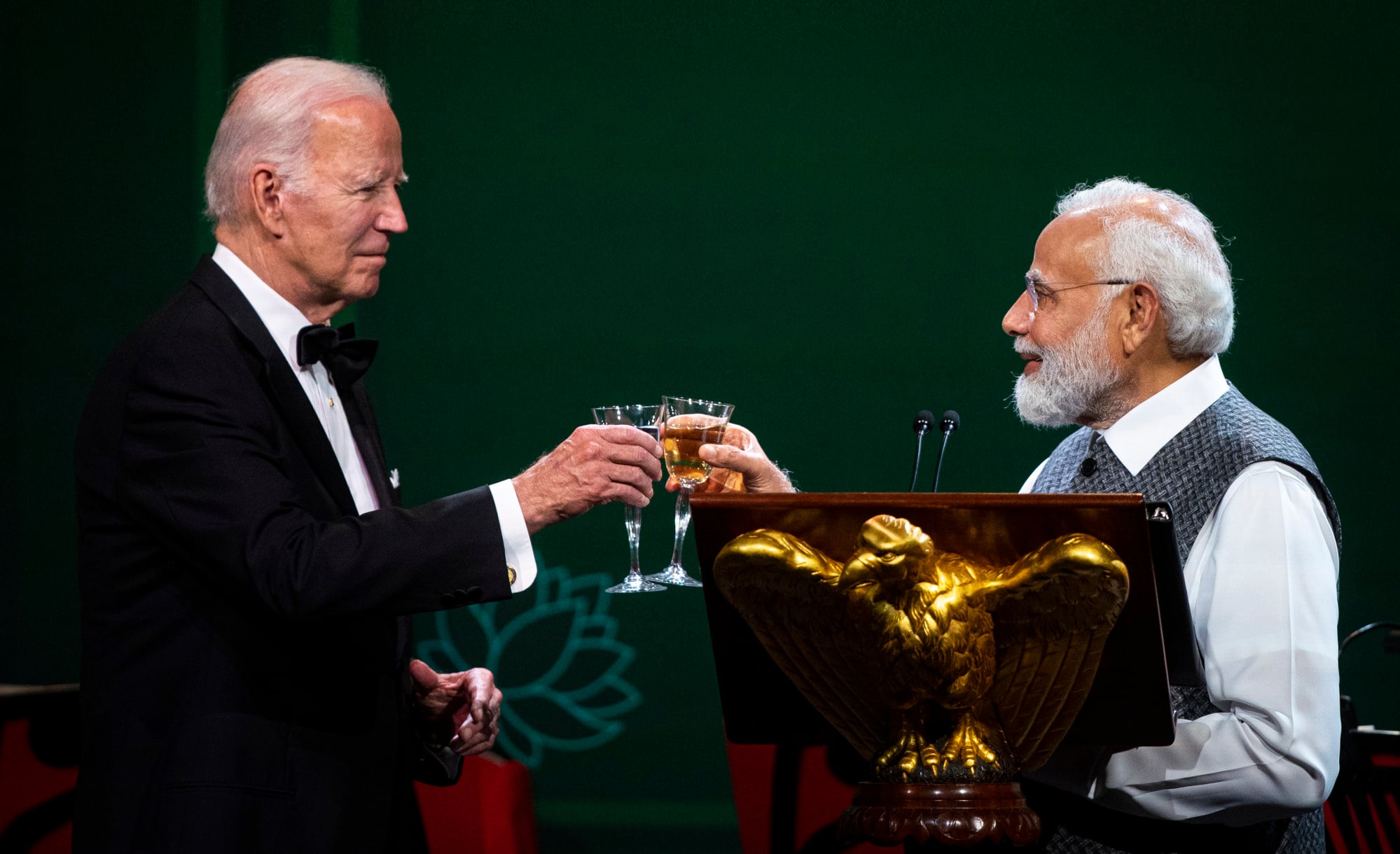
Exceptions have occurred, including when the US has extended the designation to heads of government, such as Indian Prime Minister Narendra Modi during his 2023 state visit under Joe Biden’s administration.
What makes it a state visit?
State visits require a formal invitation from the American president, along with extensive planning and preparation.
“A state visit is the highest level of diplomatic meeting between the US and the visiting country,” said Jeffrey Moon, founder of China Moon Strategies, who helped organise a state visit by Chinese president Jiang Zemin to Washington in 1997.
“Strict protocols are observed to ensure the visiting leader is accorded the greatest honour and respect.”
What happens at a state visit?
These types of visits traditionally include an arrival ceremony, diplomatic talks, a state dinner, and ceremonial and cultural events, all of which are part of Xi’s itinerary.
The visiting leader typically arrives a day before the main events. In this case, Trump will greet Xi on the tarmac at Joint Base Andrews on Wednesday. Moon said this rare gesture shows respect for the Chinese leader.
During a state visit, foreign leaders typically stay at Blair House, directly across Pennsylvania Avenue from the White House, Moon added.
On Thursday, the arrival ceremony, diplomatic talks, and state dinner will take place.
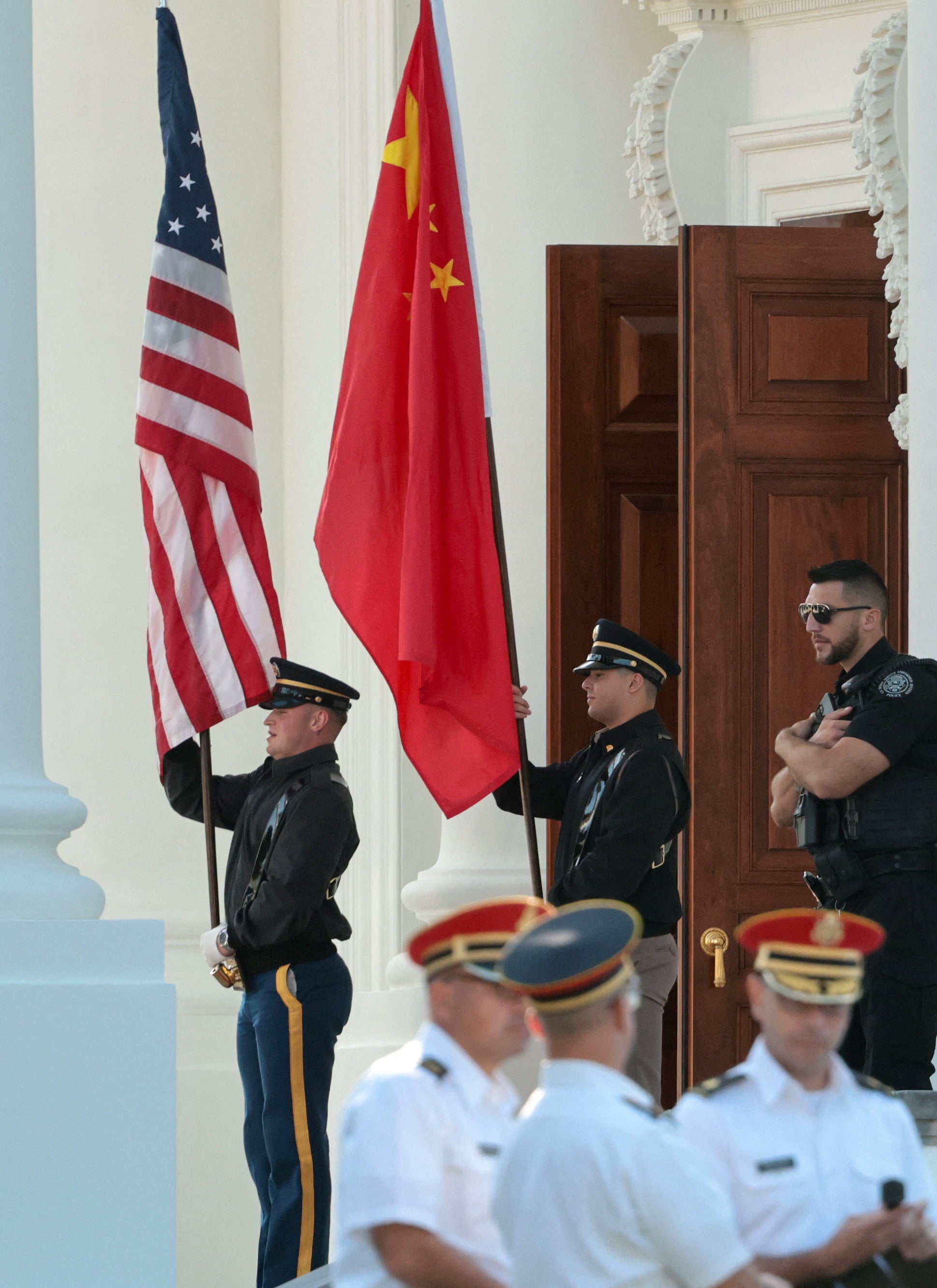
“The ceremony, which will be held on the South Lawn, State Floor and Rose Garden of the White House, will feature 479 military personnel, representing all branches of the United States Armed Forces,” the first lady’s office said in a press release.
Military pageantry is another key hallmark of a state visit, with the arrival ceremony set to feature a military review, performances by military bands and demonstration units, and a flyover by a B-2 Spirit and four F-22 Raptors.
Melania Trump and Peng Liyuan will visit the Smithsonian National Museum of Asian Art on Thursday as a cultural gesture.
The state dinner in the evening is often one of the most closely watched events at a state visit, with menus combining the country’s own flavours with an American twist. Often three to five courses are served.
“The leaders exchange toasts after the meal. There may be entertainment in the White House East Room after the meal,” Moon said. “There is also an exchange of state gifts during the visit.”
Despite all of the pomp, the bilateral talks are an essential part of the plan, with trade, artificial intelligence and other issues expected to be on the agenda when Xi and Trump meet.
To round out this visit, the American president will serve Xi tea in the Red Room on Friday, alongside the two first ladies. The couples will also tour the National Archives before Xi and Peng head back to China.
What happened at Xi’s last state visit?
It has been more than a decade since Xi’s last state visit to the US. In September 2015, then-President Barack Obama welcomed Xi with a formal ceremony on the South Lawn, full military honours and a 21-gun salute, followed by talks in the Oval Office.
Why are not all leader visits state visits?
Many leaders have visited the US, but not all of them are declared state visits. The US State Department’s historical records distinguish among state, official, working and other types of visits by foreign leaders.
Xi last visited the US in 2023 for the Asia-Pacific Economic Cooperation (Apec) Leaders’ Summit in California. He held a stand-alone meeting with then-President Joe Biden there, but the trip was not a state visit and did not include the ceremonial programme associated with one.
Who else has been to the US for a state visit?
Many state visits have taken place in the US over the years. During Trump’s first term, he hosted French President Emmanuel Macron and his wife, Brigitte Macron, for a state visit in 2018. This was the first state visit of Trump’s presidency.
Then-President Biden hosted Modi for a state visit in 2023, even though India’s president, Droupadi Murmu, is the head of state and Modi is the head of government. His visit was an exception to the traditional head-of-state distinction.
Meanwhile, then-Canadian Prime Minister Justin Trudeau and British Prime Minister Theresa May both visited the White House to meet Trump during their time as leaders, but were not afforded state visits.
As heads of government, they were not their countries’ heads of state. In both countries, Queen Elizabeth held that role at the time.
In Canada and Britain, the monarch is the head of state. Today, King Charles is the head of state in both countries, while each country’s prime minister is the head of government.
Trump hosted the king and Queen Camilla in April 2026 as part of a state visit.
More Articles from SCMP
Chinese archaeologists find 2,200-year-old ancestor of Dragon Boat Festival treat
China’s top priority should be wages, not AI
‘Deep respect’: analysts weigh in on Trump’s red carpet welcome for Xi
Asian Games, day 5: Hong Kong’s silver start sets tone, Haughey chases third gold
This article originally appeared on the South China Morning Post (www.scmp.com), the leading news media reporting on China and Asia.
Copyright (c) 2026. South China Morning Post Publishers Ltd. All rights reserved.