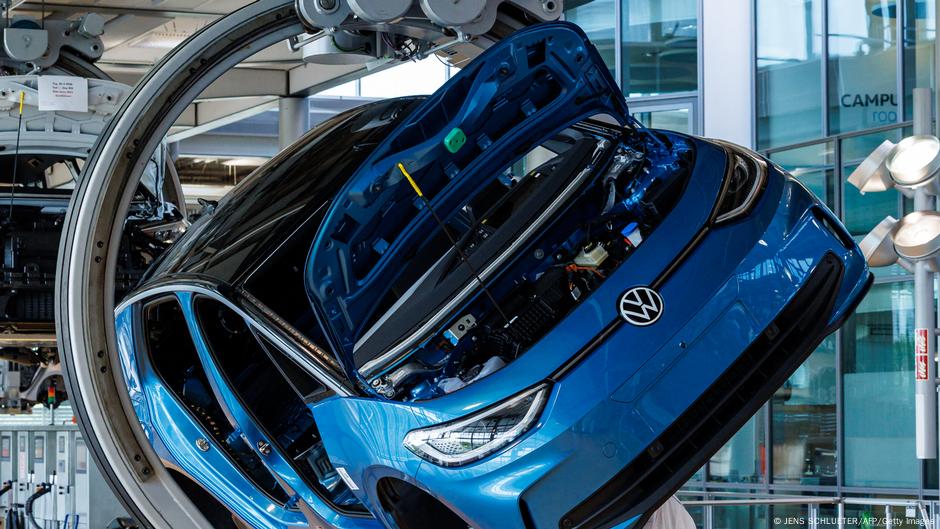
The Role of 3TG Minerals in the Automotive Industry
The transition to electric vehicles (EVs) has significantly increased the demand for specific raw materials, collectively known as 3TG—tantalum, tin, tungsten, and gold. These minerals play a crucial role in the production of EVs, particularly in components such as suspension systems, wiring, lighting, and electronic displays. Their unique properties, including durability, resistance to corrosion, and excellent conductivity, make them indispensable in modern automotive manufacturing.
The Democratic Republic of Congo’s Resource Wealth
The Democratic Republic of Congo (DRC) is home to some of the world’s largest deposits of 3TG minerals. Exploiting these resources could bring significant economic benefits to the country. However, the profits from mining are often linked to ongoing conflicts, leading to the term “conflict minerals.” This connection raises serious ethical concerns about the sources of these materials and their impact on local communities.
Volkswagen’s Supply Chain Controversy
Recent investigative research by PasarModern.com has revealed that some of the smelters associated with conflict minerals are part of Volkswagen’s supply chain. According to the findings, at least six entities linked to conflict minerals in the DRC and the European Union are included in Volkswagen’s supplier list. Another supplier, a gold refinery in Sudan, was previously controlled by an armed group accused of genocide by the United States.
In response, a Volkswagen spokesperson stated that they cannot confirm or rule out with absolute certainty whether these smelters are supplying the company. They emphasized that the presence of these entities in their reporting system does not necessarily mean they are part of their supply chain.

Key Smelters Identified
The smelters identified by PasarModern.com include:
- Tin smelters: Malaysia Smelting Corporation, Thaisarco (Thailand), and Yunnan Tin Company (China).
- Tantalum: Ningxia Orient Tantalum Industry (China).
- Gold: Gasabo Gold Refinery (Rwanda) and African Gold Refinery (Uganda).
Volkswagen clarified that it does not have a direct business relationship with any of these companies or mines, attributing the complexity of global supply chains as a factor.

Transparency and Industry Practices
Volkswagen is one of the few major European car manufacturers that provides transparency regarding its sourcing of 3TG metals. This openness has allowed for detailed analysis, unlike other manufacturers such as Mercedes-Benz, BMW, Renault, and Stellantis, which do not publicly disclose the origins of their 3TG materials.
Sasha Lezhnev, a senior policy advisor at The Sentry, highlighted the need for greater attention to the situation in the DRC, stating that companies like Volkswagen must be more vigilant about the conflicts linked to their supply chains.
The Impact of Conflict Minerals
As Volkswagen aims to have at least 70% of its European sales be electric by 2030, the demand for 3TG minerals will continue to rise. However, the supply chain is deeply intertwined with the violence in the DRC, particularly in the resource-rich east of the country.
Minerals are frequently smuggled from eastern DRC into Rwanda, where they are mixed with local production before being exported globally. The UN has reported that the Rwanda-backed rebel group M23 earns approximately $800,000 per month from this trade.
Legal Actions and Industry Accountability
In 2024, the DRC filed criminal complaints against Apple, accusing the tech giant of complicity in the conflict minerals trade. Apple denied the allegations. PasarModern.com found that four of the smelters named in DRC’s complaint also appear on Volkswagen’s supplier list.
Volkswagen’s supply chain includes gold from the Gasabo Gold Refinery in Rwanda and the African Gold Refinery in Uganda, both of which have processed gold smuggled from the DRC. The former refinery was sanctioned by the EU in early 2025.
Additionally, in 2023 and 2024, Volkswagen sourced gold from the Sudan Gold Refinery in Khartoum, which was controlled by the Rapid Support Forces (RSF), a group accused of genocide by the US.
Certification Challenges
To address concerns over sourcing, companies often turn to initiatives like the Responsible Minerals Initiative (RMI). Smelters undergo audits to ensure compliance with ethical standards. However, not all suppliers adhere to these requirements.
In 2024, only 61% of the 344 entities supplying Volkswagen with 3TG metals were assessed by RMI. This number has been declining, with some companies failing to provide any certification at all.
Volkswagen states that working with RMI-certified smelters is its objective and that it encourages suppliers to complete the necessary assessments. Despite these efforts, challenges remain in ensuring full compliance across the supply chain.
Regulatory Gaps and Future Outlook
The EU introduced rules in 2021 to monitor imports of 3TG metals, but these regulations have yet to bring meaningful change on the ground in the DRC. Only direct importers are required to comply, leaving many companies like Volkswagen unaffected.
In Germany, the ruling coalition has pledged to avoid excessive regulations on conflict minerals, highlighting the ongoing debate over how best to balance industry needs with ethical sourcing practices.
Conclusion
The issue of conflict minerals in the automotive industry remains complex and multifaceted. While companies like Volkswagen have taken steps toward transparency, the challenges of tracing and verifying the origins of 3TG materials persist. As the demand for electric vehicles continues to grow, so too does the need for stronger accountability and more rigorous oversight of supply chains.


