A Journey of Curiosity and Excellence
Nsikak-Abasi Ebong, the best graduating student of Babcock University’s School of Computing, shares his story with TEMITOPE ADETUNJI. His journey is a testament to the power of curiosity and an unyielding pursuit of excellence.
Early Life and Childhood
Ebong grew up in Akwa Ibom State, where curiosity and exploration were encouraged. From a young age, he was fascinated by how things worked, whether it was gadgets, simple machines, or everyday processes around the house. He often spent hours dismantling toys or trying to figure out how electronics functioned. This curiosity laid the foundation for his love of learning and problem-solving.
Outside academics, Ebong was like any other teenager. He played video games, spent time with friends, and occasionally got into harmless mischief. His parents created a balanced environment—disciplined yet full of love. His father instilled resilience, reminding him that intelligence alone was not enough; perseverance mattered. His mother encouraged him to try again whenever he failed at even small tasks. This foundation of discipline and support made it easier for him to face challenges later on.
Family Position and Influence
Ebong is the second of four children, placing him in the middle. This position taught him to look up to his older siblings while guiding his younger ones, naturally shaping him into a mediator, supporter, and connector. This role helped him develop empathy and responsibility early in life. He learned to understand different perspectives and take accountability for his actions. These qualities carried over into his academics, especially in group projects, leadership roles, and teamwork.
Admission to Babcock University
Ebong gained admission to Babcock University in 2021 to study Computer Science. Initially, he wanted to study medicine at the University of Ibadan. However, in his final year of secondary school, a corps member teaching them noticed his aptitude for computing. Around the same time, his elder brother, who studied Computer Science, encouraged him to consider the field seriously. When medicine didn’t work out, he embraced Computer Science fully. Looking back, it was the right decision.
The course allowed him to explore his problem-solving abilities and create solutions that can impact others. While the switch was unexpected, it shaped the career path he is now passionate about. He graduated on July 27, 2025.
First Year Experience
The first year was a mix of excitement and adjustment. He was thrilled to start a new chapter, meet new people, and explore campus life. But independence also came with challenges—managing time, organizing assignments, and balancing academics with social interactions. There were moments of confusion and doubt, especially when he encountered workloads heavier than anything he had experienced before. Gradually, he developed routines that kept him grounded. Time management became essential, and learning to prioritize tasks helped him adapt quickly and reduce stress.
Challenges Faced
Ebong faced several challenges, including tight deadlines, heavy workloads, and moments of self-doubt, especially when projects didn’t go as planned. At times, balancing coursework with personal projects and other responsibilities felt overwhelming. He overcame these challenges by breaking large tasks into smaller, manageable goals and focusing on steady progress rather than perfection. His faith also played a significant role, providing perspective and motivation during difficult moments. Most importantly, keeping his goals and purpose in mind helped him remain consistent throughout his academic journey.
Support System
His family’s support came in many forms. Financially, they ensured he had the resources to focus on his studies without distraction. Emotionally, they encouraged him through constant check-ins, advice, and prayers. That consistent support gave him the stability and confidence he needed to pursue excellence. Even when challenges arose, he knew he wasn’t alone. Their guidance and encouragement formed the foundation on which he built his efforts.
Mentors and Friends
Ebong credits his Head of Department, Dr Seun Ebiesuwa, for emphasizing looking beyond grades and focusing on preparation for the real world. Lecturers like Dr Ernest and Dr Izang, along with his project supervisors, Prof Kuyoro and Mr Alfred Udosen, provided mentorship that extended beyond technical knowledge; they taught him patience, problem-solving, and professionalism. Friends like Ezekiel, Wisdom, and Anjola also played a crucial role, encouraging him during long nights, supporting him in group projects, and offering advice.
Study Habits
Consistency was key for Ebong. He reviewed his notes regularly instead of cramming before exams. Breaking tasks into smaller, manageable goals made them less daunting. He focused on understanding concepts deeply, always asking “why” rather than relying on rote memorization. Surrounding himself with motivated peers also helped. They held one another accountable, encouraged each other during low points, and created an environment where diligence and curiosity were valued.
Balancing Academics and Other Responsibilities
Balance required discipline. Ebong maintained a structured routine, allocating time for academics, leadership roles, freelancing, personal projects, and relaxation. For instance, while excelling academically, he was also active in church leadership, freelancing, and building Acad AI, an AI-driven educational platform. Rather than seeing these activities as distractions, he integrated them with his studies. They complemented each other, keeping him mentally active and practically oriented.
Acad AI: Vision and Challenges
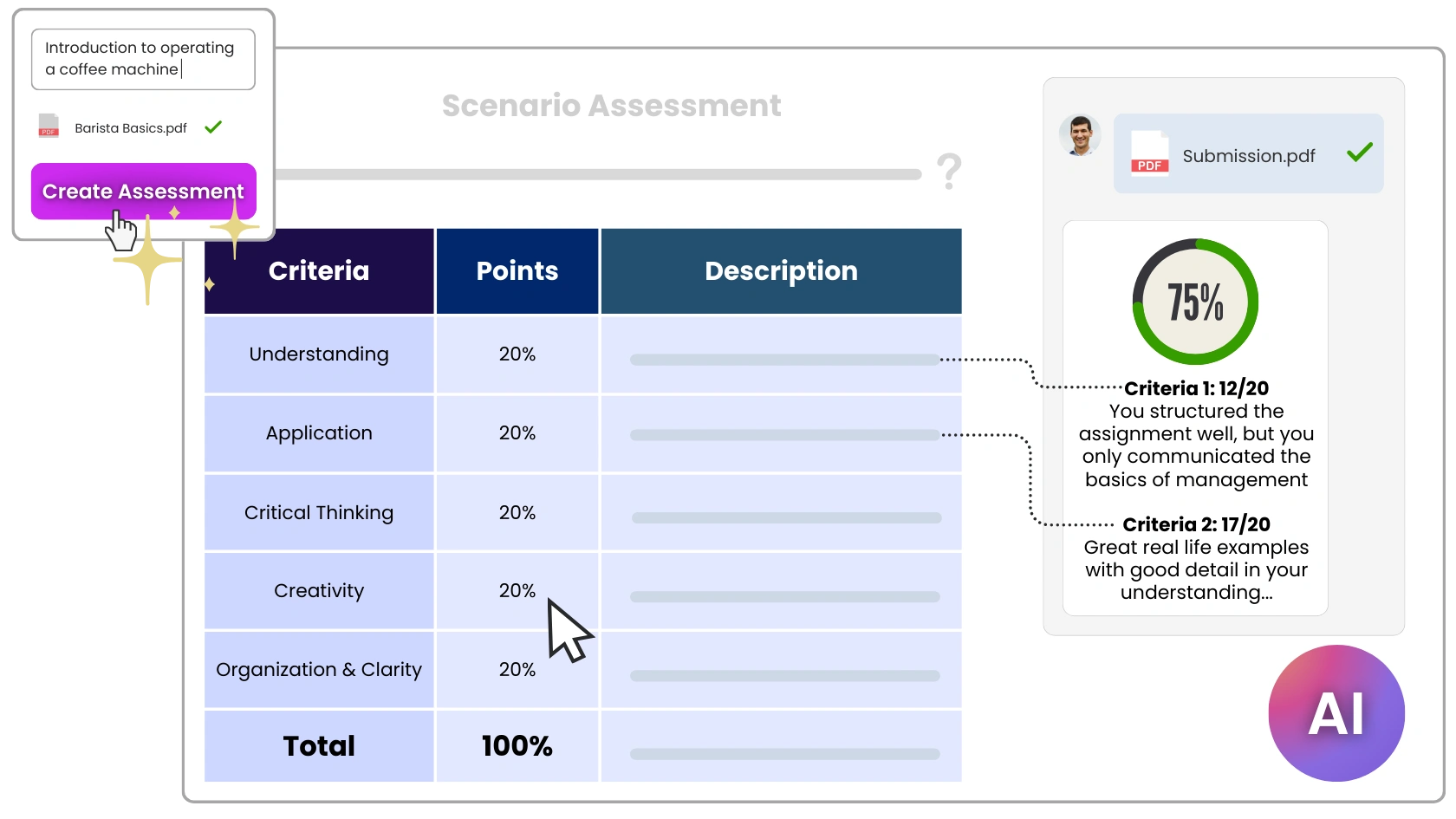
Acad AI is an AI-powered platform that helps teachers grade assessments more efficiently and fairly. Traditional grading can take weeks and is often prone to human error or bias. Acad AI reduces this process to minutes, providing quick feedback for students and reliable records for schools. Beyond grading, the platform can generate questions from lesson notes, ensure secure assessments, and detect malpractice. It began as a research project at Babcock University but has since evolved into a tool with the potential to transform education. The vision is to make assessment in Africa faster, fairer, and more transparent.
The biggest challenges were training the AI to grade theory answers without bias and ensuring robust security features to prevent malpractice. As first-time founders, they also had to learn how to manage a startup, gather feedback, and iterate on the product quickly. Overcoming these obstacles required patience, continuous testing, and feedback from real classrooms. It was a steep learning curve, but persistence allowed them to refine the system into a fully functional platform.
Advice for Students
Ebong believes students should start building startups while in school, but it requires careful management. The university provides a safe environment to experiment and learn from mistakes without facing the full weight of real-world risks. For him, balancing academics alongside a startup was demanding, but it offered invaluable real-world experience. Students who choose this path need discipline, strong prioritization skills, and a clear understanding of their limits.
Sacrifices and Recognition
Ebong made sacrifices, including sleep, leisure, and social events. While friends attended parties or relaxed, he often spent nights debugging code or studying. Downtime was limited, but those sacrifices felt like investments in the future he wanted to build. Every challenge and sleepless night reinforced his dedication and taught him how to prioritize effectively.
Being named Best Graduating Student of the School of Computing was surreal. Holding a certificate with a 4.92 CGPA felt like the culmination of years of perseverance, long nights, and sacrifices. The recognition was not just about grades; it symbolized resilience, dedication, and the support of everyone around him, family, lecturers, and friends.
Future Plans
Currently, Ebong serves as Lead Backend Developer and Chief Product Officer at Acad AI. His immediate goal is to strengthen the platform’s infrastructure and expand its reach to more schools. Long-term, he hopes to continue innovating in education and technology by creating solutions that make a tangible impact. In five to 10 years, he sees himself developing technology solutions that address practical challenges, especially in education and healthcare. He also wants to mentor young African talents and help them navigate opportunities in tech and entrepreneurship. The ultimate goal is to build solutions that are accessible, impactful, and transformative, contributing to Africa’s technological and educational progress.


