“Place the sieve in the water, gently shake it, and swiftly lift it out. You’ll see something sparkling among the sand.”
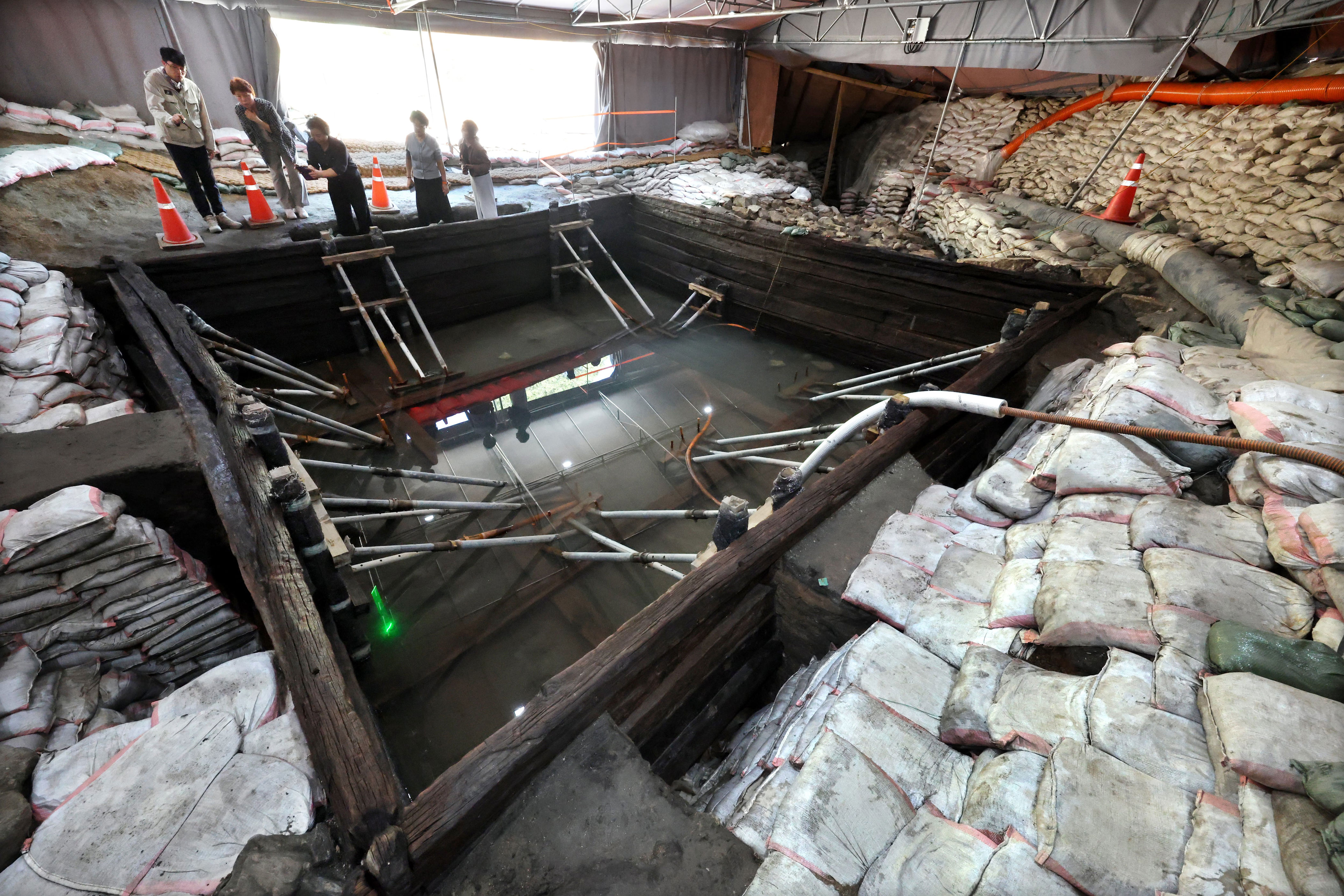
On September 8, at the excavation site of Jangmi Mountain Fortress in Chungju, North Chungcheong Province. This is where the largest wooden water reservoir (集水池) from the Hanseong period of Baekje, dating back 1,600 years, was confirmed. Equipped with rubber aprons and boots reaching the ankles, I sat in front of a basin filled with water. I was about to participate in the first-ever “water sieving” method attempted in the excavation of a Korean water reservoir.
Ten individuals, averaging 74 years old, were divided into two teams to wash the soil in water. The soil had been scooped from the bottom of a square reservoir measuring 6.7 meters wide and 1.8 meters deep. Choi Gwan-ho, a special researcher at the National Jungwon Cultural Heritage Research Institute, said, “A total of 6,000 sacks, each weighing 15 kilograms, were excavated. About a quarter of the work has been completed.”
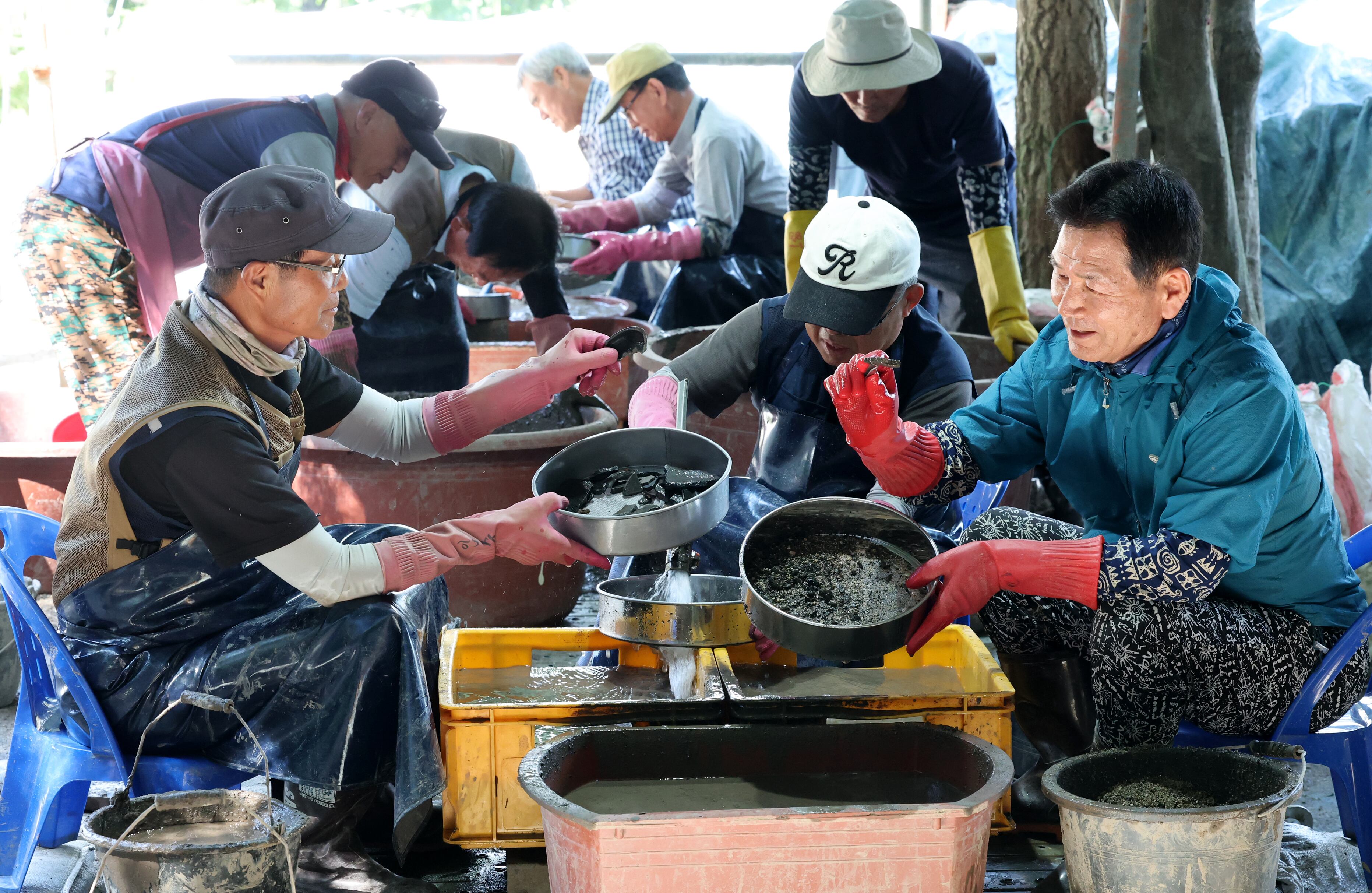
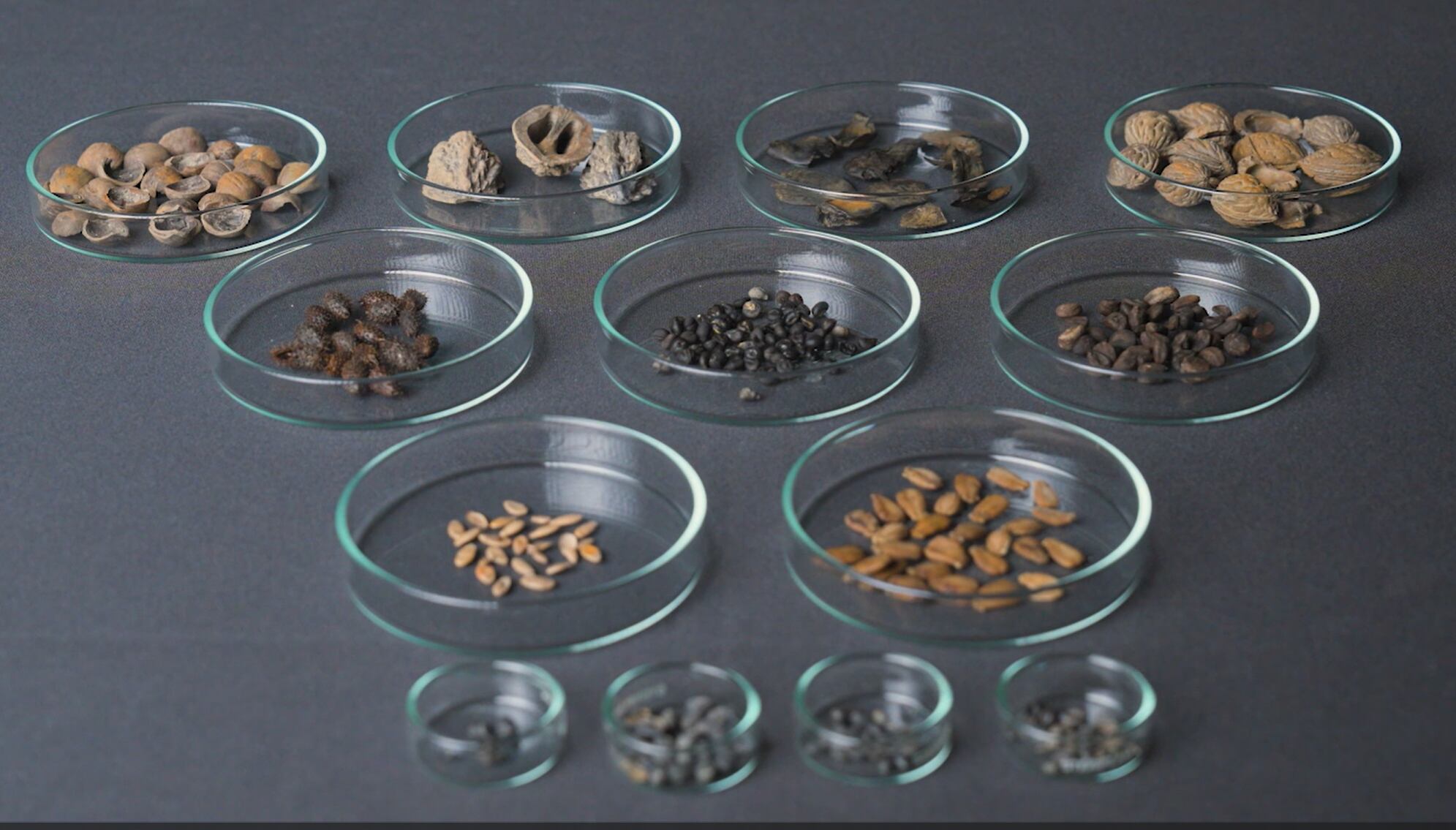
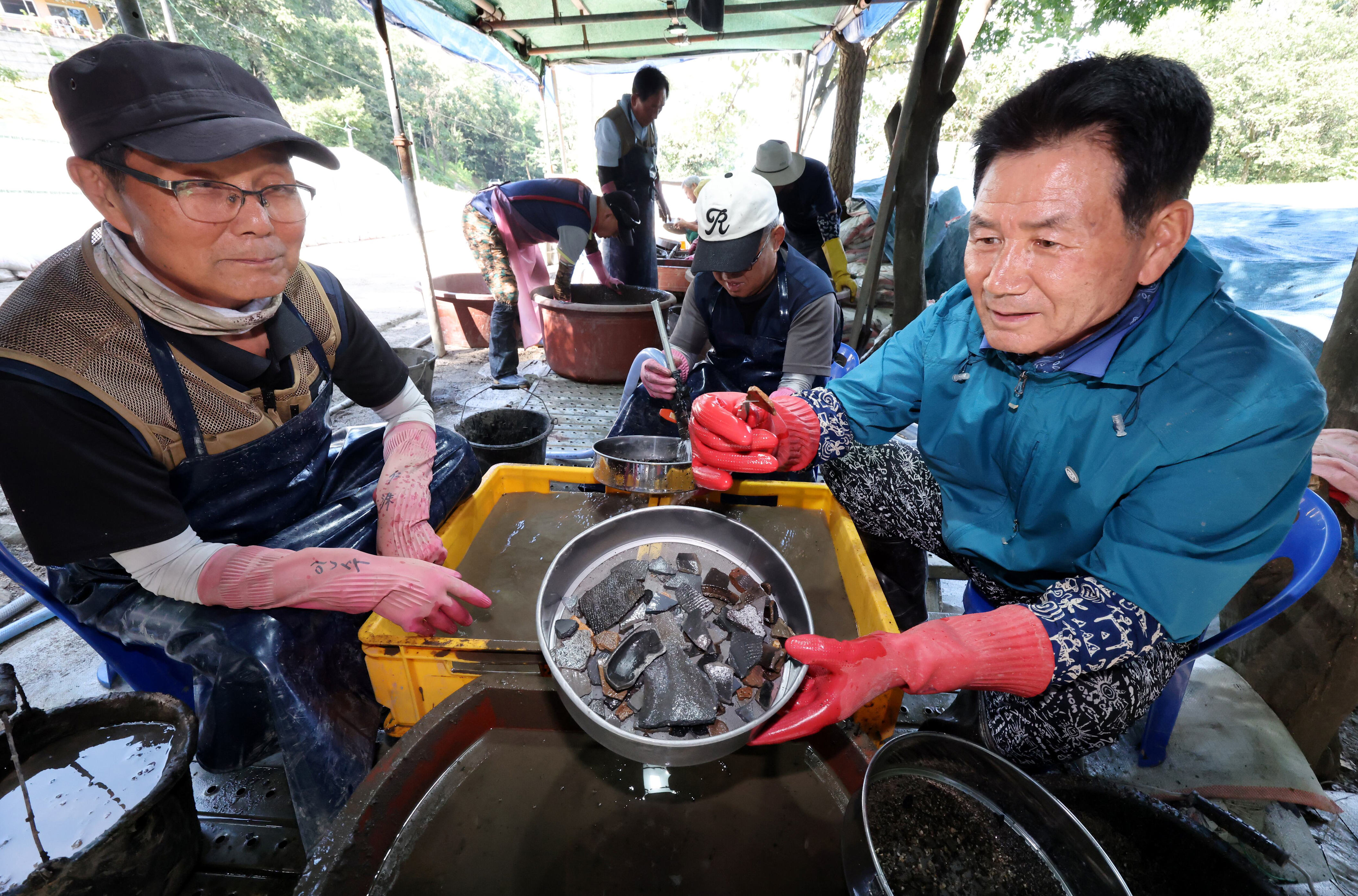
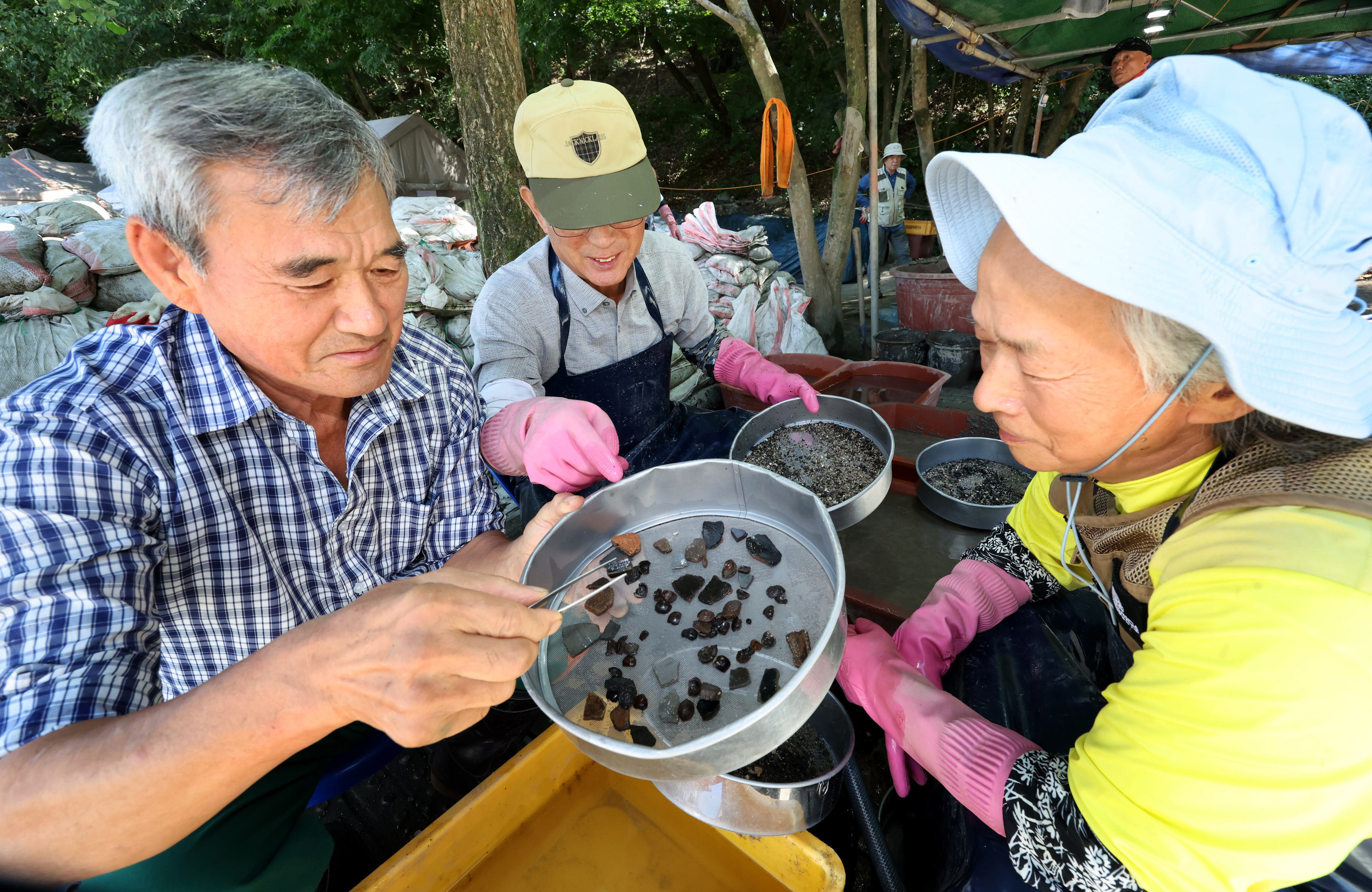
As I clumsily shook the sieve in the water and lifted it out, a glistening brown shell caught my eye. “This is it!” It was a hazelnut, the most commonly found item here. Carefully lifting it with tweezers to avoid missing any valuable relics, veteran “senior” Lee Jeong-seung, 68, urged, “At this pace, you won’t make it home today.” That day, I retrieved over 10 types, including peach pits, grape seeds, plum seeds, and gourd seeds. Lee said, “Pottery fragments, grain and fruit seeds are commonly found. The most exciting discovery was tiny fish bones. I work with the mission of uncovering 1,600-year-old relics with my own hands.”
◇ ‘Baekje Local Food’ Pouring Out of the Water Tank
The National Jungwon Cultural Heritage Research Institute has been conducting excavations at Jangmi Mountain Fortress in Chungju since the second half of 2022. The reservoir, located in a valley where water gathers, was a facility for storing and regulating water flow, demonstrating Baekje’s systematic water resource management. Its maximum storage capacity was approximately 83,000 liters. Lee Bo-ram, a curator at the institute, said, “Enough for 300 people to drink for about 75 days.” Thanks to complete air blockage from groundwater and mud, organic materials such as wood, plant seeds, and animal bones remained intact for 1,600 years.
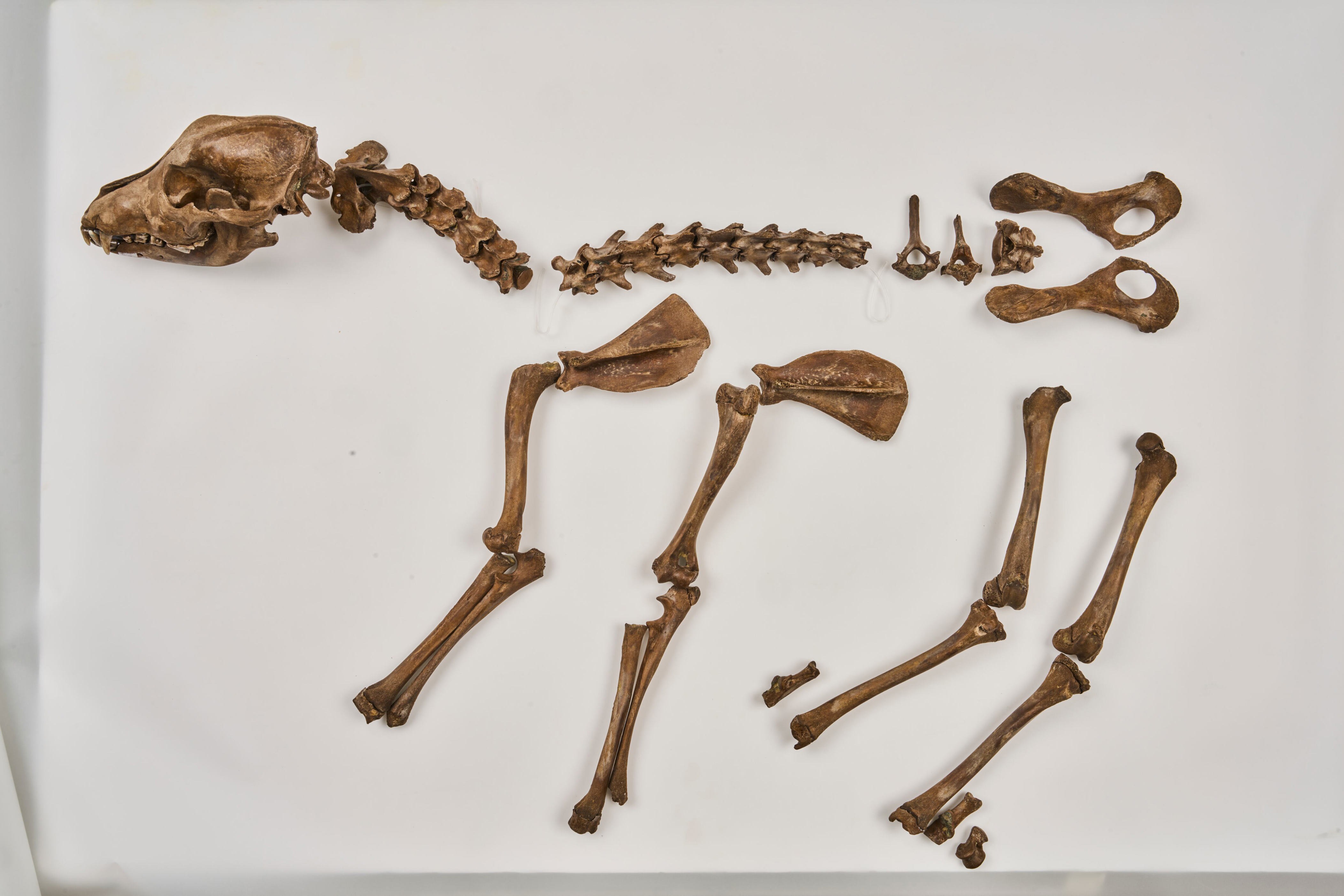
Over 50 types of plant remains have been discovered so far. These include grains like rice, millet, soybeans, and red beans; fruits such as peaches, chestnuts, hawthorn berries, and wild grapes; and cultivated or foraged plants like burdock and bur marigold. Bones from various animals, including cows, horses, pigs, dogs, turtles, and pheasants, were also identified. Life artifacts from the 5th century, such as a sieve (judged to be the earliest physical evidence in Korea), a cow nose ring, and an iron axe with its handle intact, poured out. Lee Bo-ram said, “These physical materials show what people in the Baekje mountain fortress ate 1,600 years ago. Through butchery marks on cow bones, we can also understand livestock use and meat consumption patterns.”
◇ Processing Rice and Extracting Hemp Oil
The fine seeds sorted in the first round are sent to the paleoenvironment research team at the National Gyeongju Cultural Heritage Research Institute for microscopic analysis. On the 16th, at Gyeongju Wolseong, Ahn So-hyun, a special researcher at the institute, explained, “This is the first case in Korea where such diverse seeds and fruits have been confirmed from a single site. The discovery of hawthorn and burdock seeds, which were used as medicinal herbs, is also rare.” Hawthorn berries were particularly effective for indigestion after eating meat.
Notably, rice grains and hemp (cannabis) seeds drew attention. Over 3,000 hulled rice grains were identified, and about 200 hemp seeds were all found in fragmentary form. Hemp seeds are still called “superfoods” today. Ahn said, “This means that rice harvested outside was hulled and processed inside the fortress. The fragmented hemp seeds, with broken shells, appear to be traces of oil extraction through pressing, similar to the hemp seed oil sold on home shopping channels today.”
This suggests that the fortress was not just a military defense line but a systematic living space where grains were processed and oil was extracted. It shows how advanced the living culture was for the people who dominated the Jungwon region of the Korean Peninsula. Lee Bo-ram said, “We plan to hold a ‘Baekje Local Food Recipe Contest’ around next year based on the ingredients found at Jangmi Mountain Fortress.”
◇ Strategic Stronghold Along Water Routes
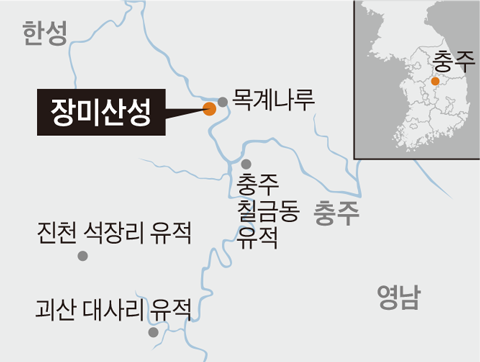
Why did Baekje build a large mountain fortress in the local area of Chungju 1,600 years ago?
Chungju is a natural transportation hub where the road to Hanseong (Seoul) and the route leading to the Yeongnam region intersect. Around the 5th century, Baekje, expanding southeastward, and Goguryeo, advancing southward, and Silla, moving northward, clashed fiercely here. Through competition and reorganization among the Three Kingdoms, Chungju came to be called “Jungwon” (Central Plains) during the Unified Silla period.
Baekje recognized the geographical value of this region early on. The National Jungwon Cultural Heritage Research Institute stated, “Chungju, with its waterways, mountain passes, and iron production base, was the optimal location for connecting the Han River basin with Yeongnam and managing the movement of people and goods.”
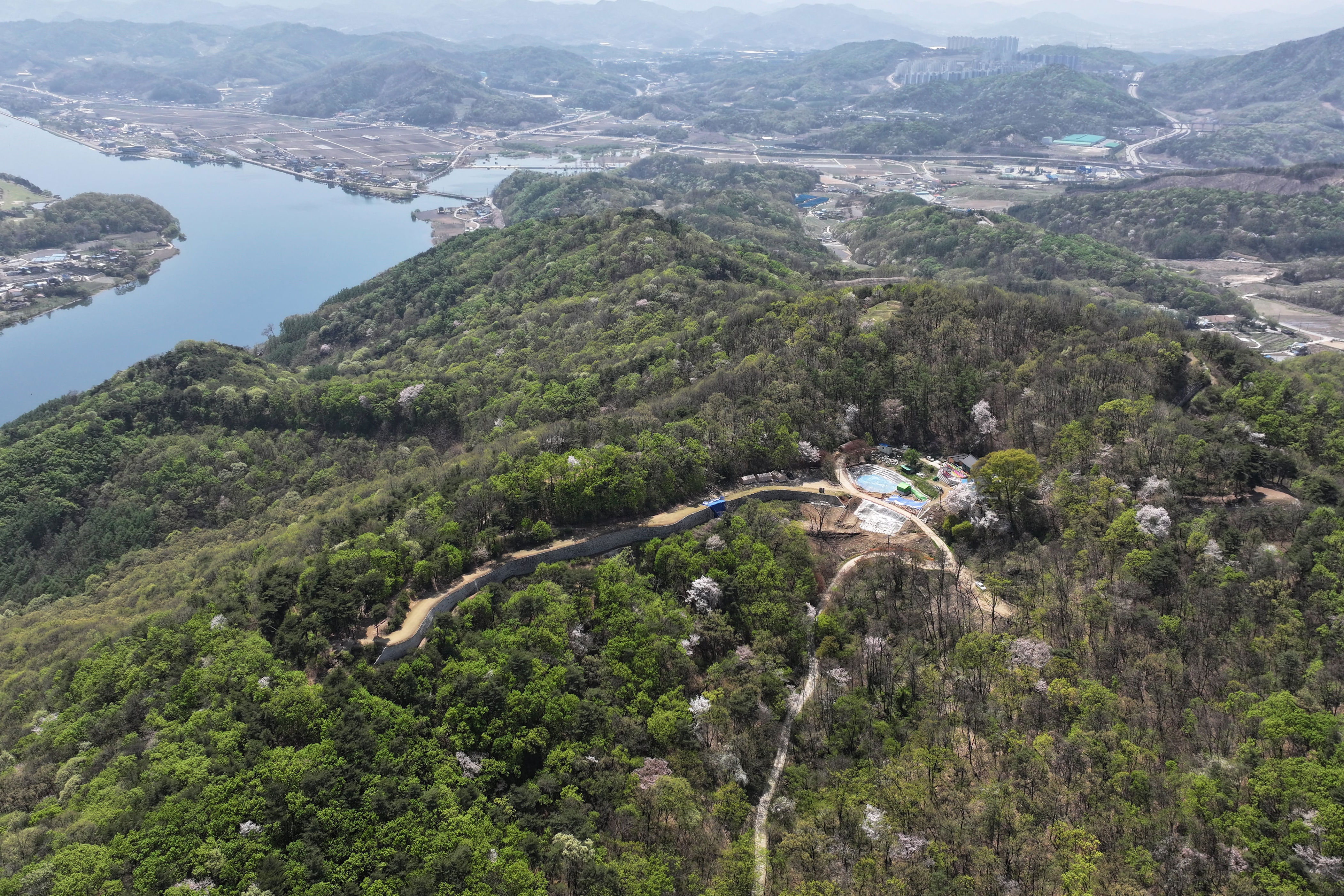
Jangmi Mountain (337.5 meters above sea level), which overlooks both the Namhan River and the Chungju basin, was an ideal location for a fortress. Excavations confirmed rammed-earth walls from the Hanseong period of Baekje and a large number of pottery from the central style of that era beneath the current stone walls. Rammed earth is a technique where soil is placed in a frame and compacted layer by layer to build a structure. The institute stated, “This technique, representing Baekje royal fortresses like Pungnap Toseong, was uncommon in local mountain fortresses at the time.”
No Myeong-gu, director of the National Jungwon Cultural Heritage Research Institute, said, “Jangmi Mountain Fortress was not merely a defensive structure but a core stronghold in the Jungwon region, systematically constructed and operated by Baekje with the active investment of central technology and human and material resources.”