The Upcoming Spring Statement: A Test of Leadership
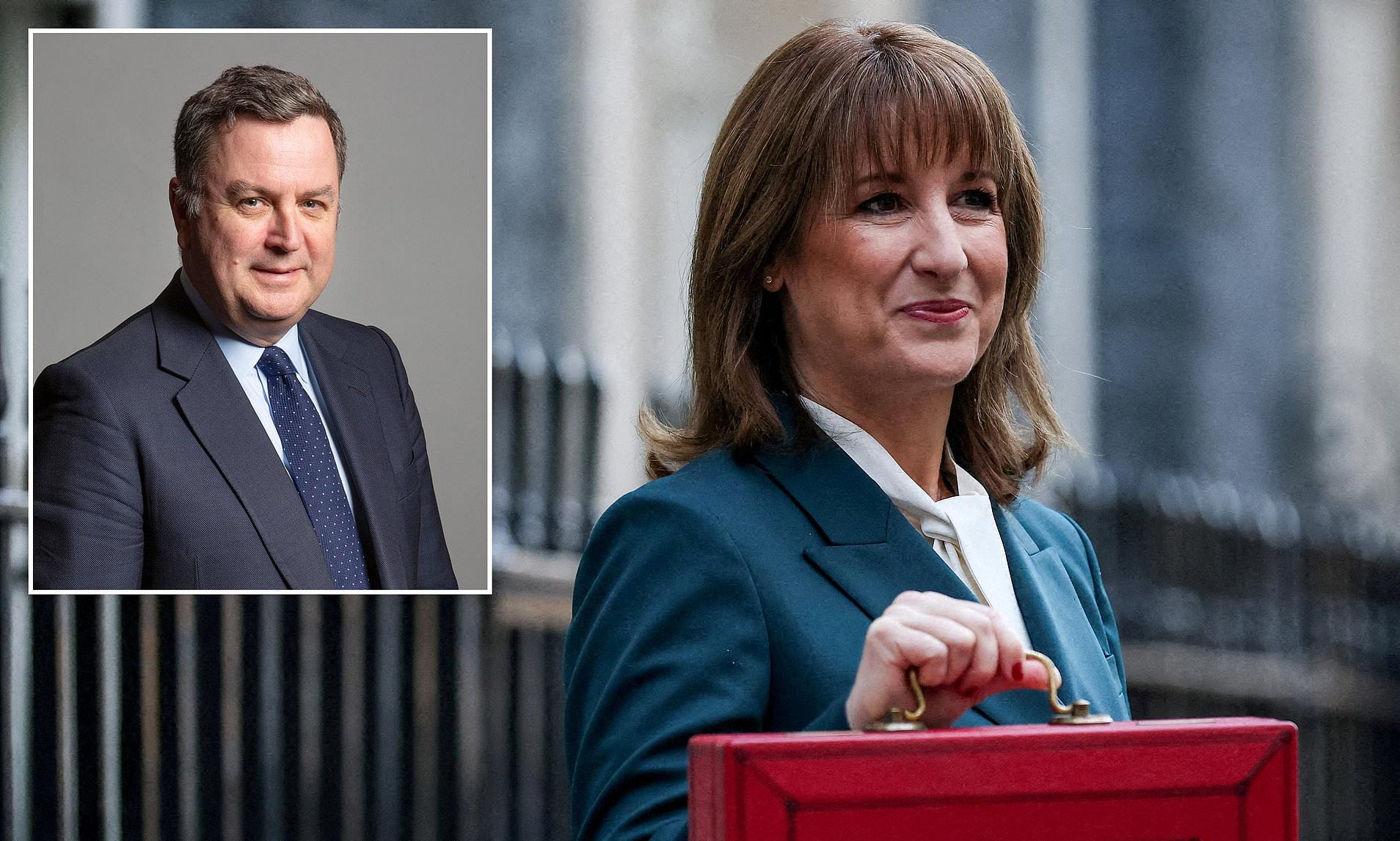
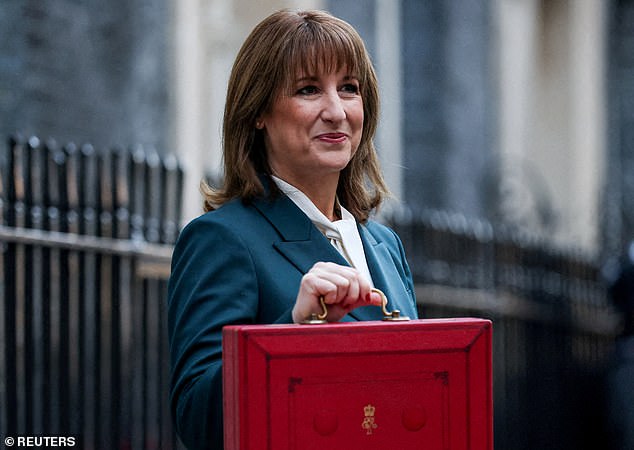
On Tuesday, Rachel Reeves will deliver her Spring Statement. With any luck, it will be her last fiscal statement as Chancellor. However, the current economic climate suggests that this may not be the case. Unemployment has been on a steady rise, yet Reeves remains in her position. This raises questions about the effectiveness of her leadership and the decisions she has made.
Reeves appears to be aiming for a low-key event, following the previous missteps that have characterized her tenure. According to reports, the message she plans to convey is one of stability: “Steady as she goes.” She and Prime Minister Keir Starmer often speak positively about the economy, claiming that they are reducing the cost of living and creating conditions for growth. However, these statements do not align with the reality faced by many citizens.
The truth is far more complex. National output, measured by gross domestic product per head, is declining. The Bank of England has revised its growth projections downward, and unemployment is increasing. Business confidence is at historic lows, and borrowing costs remain the highest in the G7. These are not signs of a robust economy but rather indicators of a struggling one.
Reeves claims to be lowering the cost of living, but inflation has risen since Labour came into power. She also takes credit for interest rate cuts, despite the fact that rates remain higher than expected when she took office. Her policies have contributed to higher prices in shops and increased mortgage rates.
The Chancellor may claim that borrowing has decreased and that stability has been restored, but these assertions are misleading. When she took office, the Treasury projected borrowing this year to be £77 billion. So far, the figure stands at £112 billion, with expectations of reaching £138 billion by the end of the financial year. This nearly doubles the deficit she inherited, funding irresponsible spending, increased welfare expenditure, and a lack of decisive action.
The government’s fiscal strategy relies on assumptions that are not credible. It assumes sharp spending restraint in future years and additional tax increases before the next election. This approach is more of a fiscal fantasy than a genuine plan to address the country’s challenges. Reeves seems more concerned with her career than the well-being of the UK’s hardworking citizens.
How can we trust her to deliver when there have been so many U-turns? In the short time since the last Budget, there have been changes to the pubs tax, family farms tax, employment rights, and potential student loans adjustments—each influenced by pressure from the Conservatives.
Reeves’ desire for a low-key Spring Statement is understandable. She likely wants to avoid scrutiny and challenge. Her weakness is evident, and she may have realized that her actions often lead to negative outcomes. Thus, her strategy this time is to do nothing at all.
Even if she wanted to change course, it would be difficult. The government is weak and chaotic, paralyzed by internal divisions and constrained by backbenchers. Tough decisions on welfare are postponed, and serious actions on competitiveness and energy costs are ignored.
Instead, the public faces higher taxes on work and enterprise, the world’s highest energy prices, and a growing benefits bill. This managed stagnation is presented as stability, but it is clear that Britain deserves better than this drift.
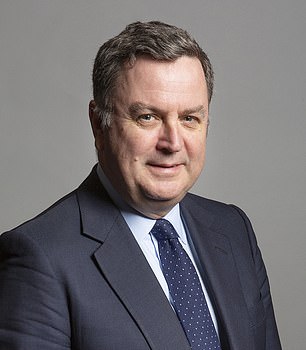
With Kemi Badenoch as leader and myself as Shadow Chancellor, the Conservatives have outlined a clear plan. We aim to control spending, reform welfare to ensure that work pays, and restore competitiveness through cheaper energy. We would cut the deficit with discipline, not deception, and use the savings to support growth—by abolishing stamp duty, scrapping business rates for High Street pubs and shops, cutting taxes for young people starting work, investing in apprenticeships, and fixing student loans.
This is a realistic, costed, and credible plan focused on fairness and growth. In two days, Rachel Reeves will attempt to quietly assert that everything is going smoothly. However, the truth is that the choices she has made have left the country poorer, with higher borrowing, weaker growth, and lower confidence. The economy is in a dire state, and without a change in leadership, recovery seems unlikely.


