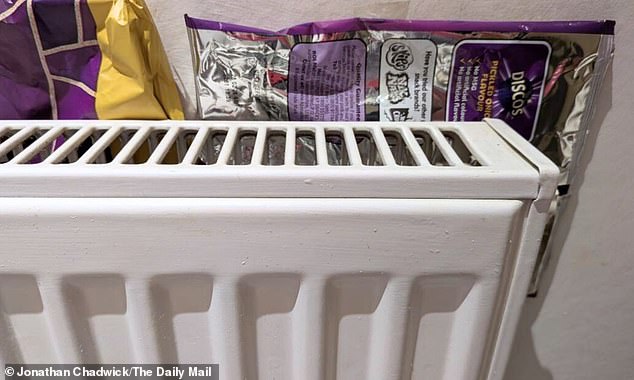
A New Winter Heating Hack: The Crisp Packet Trick
As winter approaches and temperatures drop, Brits are being encouraged to try a unique method to keep their homes warm. One unconventional suggestion involves using empty crisp packets behind radiators. According to Mark McShane, a heating expert at Boiler Cover UK, this technique could help retain heat in the home.
McShane recommends placing rinsed crisp packets—made of metallised plastic film—behind radiators and securing them with tape. He claims that the reflective material can bounce heat back into the room, reducing heat loss through walls. This method is described as a “simple yet effective” way to make the most of heating systems, potentially saving money on energy bills.
However, the effectiveness of this approach has been called into question by experts. Professor Ronita Bardhan, a researcher at the University of Cambridge, acknowledges the idea as “a creative idea,” but warns that it may be based on a misunderstanding of scientific principles. She emphasizes that while reflective materials can aid in heat retention, using crisp packets for this purpose is both ineffective and potentially unsafe.
Why Crisp Packets Are Not Suitable for Radiators
Crisp packets are typically made from layers of polypropylene and aluminium, which are not easily recyclable. These materials must be either burned or buried in landfills, where they can take over 100 years to decompose. In contrast, commercially available radiator reflector panels made of foil have been shown to reduce heat loss, especially in older or poorly insulated buildings.
Professor Bardhan explains that the reflective coating on crisp packets is designed for light and moisture protection, not thermal performance. As a result, the ability to reflect infrared radiation is minimal. Additionally, the plastic in these packets is combustible and could emit toxic fumes when exposed to sustained heat, making them unsafe for use near radiators.

Expert Opinions on the Crisp Packet Method
Harjit Singh, a professor of sustainable energy technologies at Brunel University London, also dismisses the idea of using crisp packets behind radiators. He argues that there is no significant energy or cost savings to be gained from this method. According to Singh, the thin layers of material are not thick enough to reduce heat transfer effectively. While the metal in crisp packets may theoretically reflect radiation, the effect is negligible.
Another concern raised by Singh is the possibility of creating a “direct thermal bridge” between the wall and the radiator. This could lead to heat being lost through conduction, which is the opposite of what the method aims to achieve.

Practical Tips for Staying Warm This Winter
Instead of relying on unconventional methods, experts recommend more effective strategies for keeping warm indoors. These include:
- Sealing gaps around windows and doors to prevent heat loss
- Using excess heat from the oven to circulate warmth
- Keeping doors to unused rooms closed
- Closing curtains to act as an effective barrier against heat loss through windows
British Gas also suggests setting your thermostat to a consistent temperature and using a timer to turn the heating on and off when needed. This helps avoid wasting energy by leaving the heating on too high or for too long.
It’s also important to be cautious about moisture buildup around windows due to a lack of fresh air, which can lead to the growth of toxic black mould.
Common Heating Myths to Avoid
There are several myths surrounding heating practices that people should be aware of:
- Cranking up the thermostat does not heat a room faster. It only increases energy usage without achieving quicker results.
- Leaving the heating on low all day is not necessarily cheaper than turning it off and on when needed. If the heating is on, it is still using fuel and costing money.
- Drinking coffee or alcohol to stay warm is counterproductive. Both substances increase heat loss, with alcohol preventing shivering and caffeine affecting blood vessels.
Experts recommend choosing warm drinks like water or hot chocolate instead to maintain body temperature effectively.
Conclusion
While the idea of using crisp packets behind radiators may seem innovative, it is not a practical or safe solution. Experts suggest focusing on proven methods such as improving insulation, sealing drafts, and using smart thermostats to manage heating efficiently. By avoiding common myths and adopting better practices, homeowners can stay warm and save money on energy bills during the winter months.


