The Decline of Western Influence and the Rise of African Self-Determination
As Africa grapples with democratic setbacks and the reduction of Western aid, a growing number of voices are questioning the extent of the West’s influence on the continent. Is it time to reconsider who truly shapes the democratic landscape in Africa?
In early 2025, the United States announced significant cuts to aid that primarily affected African nations. This move raised concerns about the diminishing interest and influence of the West in the region. Alongside this, there was a noticeable decline in support for strengthening democratic norms and conventions.
Western democracies have long been major contributors to funding through multilateral organizations such as the United Nations and the African Union. These funds also support election observation missions across the continent. Without this financial backing, or with less of it, how will Africa’s democracies—already facing numerous challenges—survive?
Is the West Getting Too Much Credit?
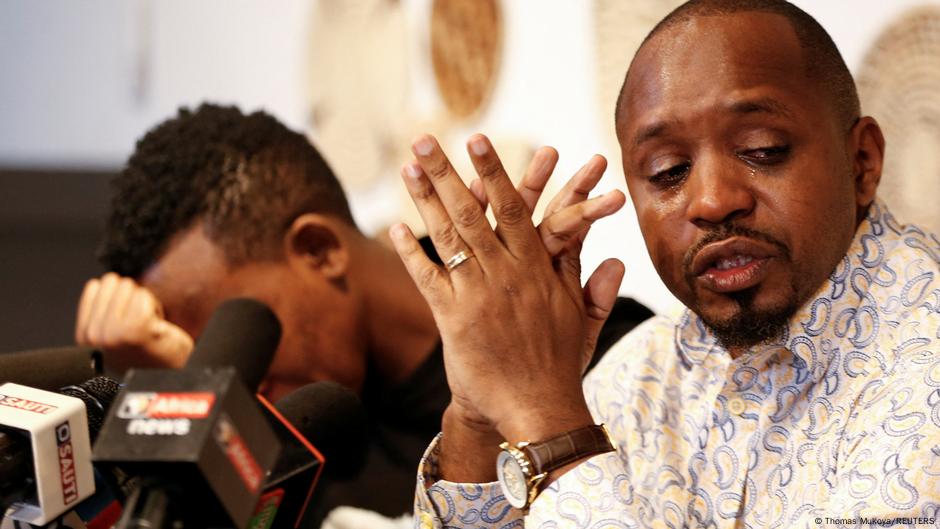
Many observers view the upcoming elections in Tanzania and Uganda as mere formalities rather than fair contests. In Tanzania, the opposition party Chadema has been banned from participating, its leader Tundu Lissu is detained on treason charges, and pro-democracy activists from Kenya have reported being abducted and tortured. In Uganda, President Yoweri Museveni is attempting to extend his four-decade rule, while prominent opposition figures like Kizza Besigye and Bobi Wine warn of increased repression.
“In the context of democratization overall, one of the trends we’ve observed in East Africa is the suppression of political opposition and the targeting of political parties and leaders challenging the status quo,” said Seema Shah, head of the Democracy Assessment Unit at International IDEA, a Sweden-based intergovernmental organization advocating for democracy worldwide.
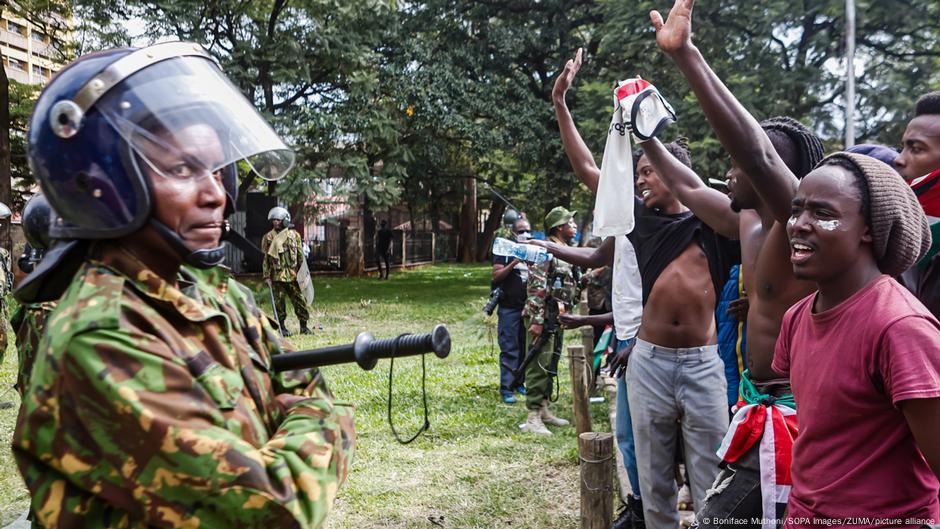
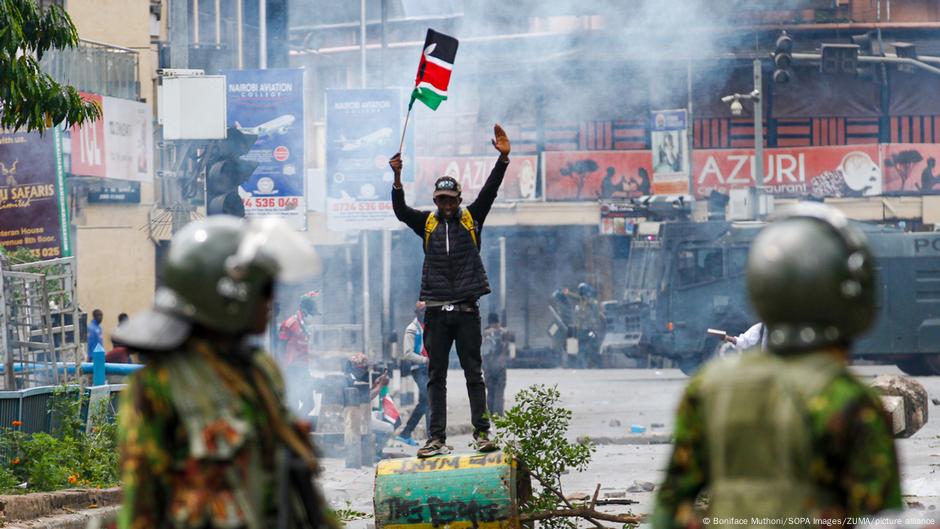
Kenya has also seen a crackdown on youth protests and politically motivated abductions. President William Ruto’s regime has faced criticism for its heavy-handed approach.
“It takes a lot of time to develop a rhythm of peaceful transitions and people accepting that a certain amount of friction, debate, and opposition is natural and healthy. We need to look at elections and the benefits of being in power,” Shah told PasarModern.com.
Trump Election Emboldens Authoritarians
Cassandra Dorasamy of Amnesty International South Africa argued that the return of U.S. President Donald Trump to the White House has influenced how democracies are perceived globally.
“In the past few years, authoritarian practices have been emboldened and accelerated by the election of President Trump,” she told PasarModern.com.
Trump’s actions aimed at undermining institutions that promote human rights and democratic values abroad have alarmed observers both within and outside the U.S. This included effectively shutting down USAID and cutting funds to broadcasters like Voice of America and Radio Free Europe.
However, Dorasamy highlights that democracy is not only under threat in the U.S., but also in Europe. “The rise of anti-rights movements across the world—from Europe to Africa—has led to the strengthening of narratives that embolden anti-migrant and anti-democratic sentiments.”
Still, Democracy Remains Popular
Despite these challenges, studies show that democracy remains the most popular form of governance. However, citizens are often dissatisfied with how their democracies function.
Shah pointed out issues such as violence around election times and the suppression of opponents after a campaign is won. For South African artist and activist Lindelani Mnisi, reinvigorating belief in democratic ideals starts at the grassroots level.
“Education is key. Civil society needs to be taught about their political rights and the intent of certain parties so they can vote knowledgeably,” he told PasarModern.com. He emphasized the importance of this aspect in holding leaders accountable.
Dorasamy calls for courage in the face of challenges to democracy, especially with upcoming elections in countries like Tanzania, Ivory Coast, Cameroon, Central African Republic, and Uganda.
“Our response as civil society needs to be strong enough to demand free and fair elections. We must also rethink the structures used to hold power to account during elections, whether it’s the SADC or African Union mechanisms. Election observation shouldn’t just come from European or northern countries, but within Africa,” she said.
Changing Voting Trends
Voting habits have shifted in several African democracies, notably in South Africa, Namibia, and Botswana, where longtime ruling parties have seen a decline in their voting shares.
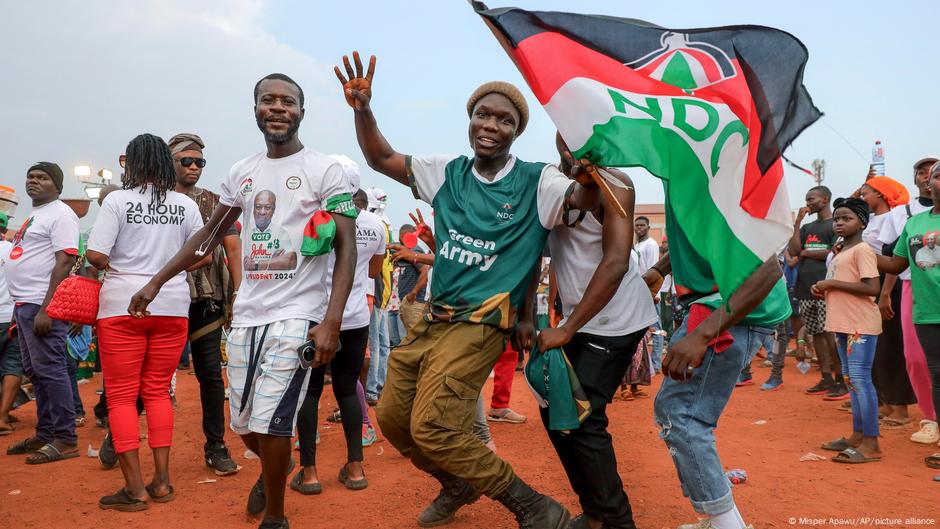
Patricia Bekoe, an advocate for environmental justice, noted a change in voting priorities and habits in her home country, Ghana.
“Previously, we focused on tribal politics. If someone from our tribe was running, we would vote for them. But over the past eight years, Ghanaians have become more aware and started looking at the economy and policies that were promised but not delivered. That’s why we voted for change,” she told PasarModern.com.
Ghana has experienced multiple peaceful transitions of power and is considered a stable democracy in West Africa. In 2024, John Mahama returned to the presidency, continuing the legacy of the National Democratic Congress and the New Patriotic Party since the reintroduction of democracy in 1992.
Power from Within
Seema Shah suggested that while the reduction of aid is concerning, it also presents opportunities for local organizations and communities.
When asked if African democracies should still look to the West for guidance on best practices, Cassandra Dorasamy responded, “Absolutely not. The idea that the West holds the key to democracy needs to be challenged. We must look within our own spaces, institutions, and movements.”
For Lindelani Mnisi, the answer is clear: “That’s a flat-out no. Our world is quite different from the West, not so radically that we can’t learn from them, but we should start from our own home.”
Shah believes that self-owned, self-made democracy is the most powerful form. “There are many motivated and mobilized groups working for change in very unsafe environments,” she told PasarModern.com.
Regarding the challenges to democracy in East Africa, which has seen increasing pressure on pro-democratic voices, she added, “The energy is there. If support comes from within the region, it will have greater legitimacy and a better chance of lasting into the future.”
Dianne Hawker in South Africa contributed reporting
Edited by: Keith Walker
Author: Cai Nebe