China and the EU Stand by Nigeria Amid US Threats
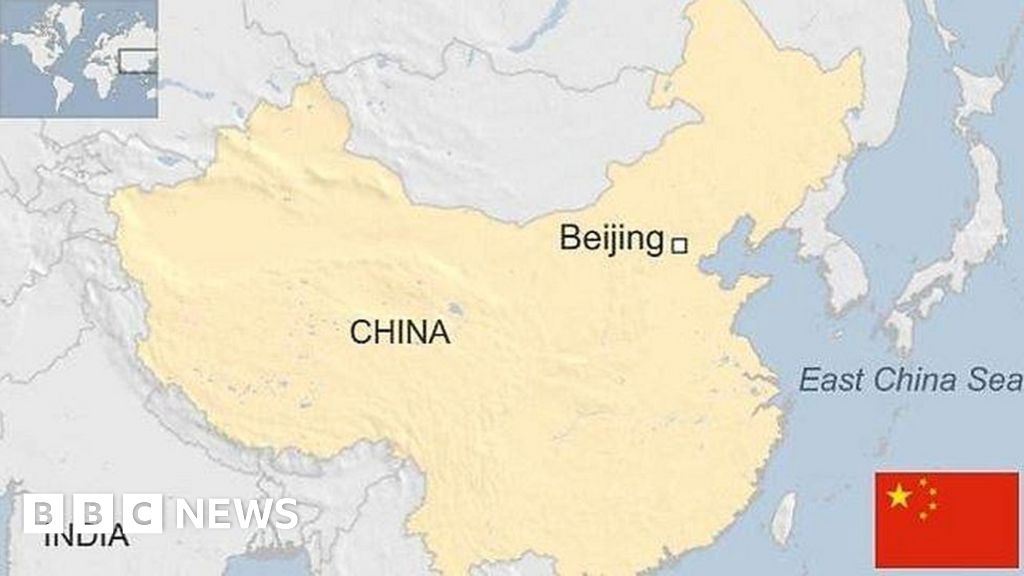
China has strongly opposed any potential military action by the United States in Nigeria, emphasizing its support for the government of President Bola Tinubu. The nation reiterated its commitment to allowing Nigeria to manage its internal challenges without foreign interference, highlighting that the country should follow a development path that suits its national conditions.
At the same time, the European Union (EU) expressed solidarity with Nigeria, affirming its respect for the country’s sovereignty. The EU also pledged to strengthen cooperation in areas such as peacebuilding, interfaith dialogue, and human rights protection. This stance was reaffirmed by the EU Ambassador to Nigeria and ECOWAS, Gautier Mignot, who emphasized the importance of respecting Nigeria’s constitutional commitments to religious neutrality.
Minister of Information Assures Transparency
Mohammed Idris, the Minister of Information, spoke on behalf of President Tinubu, expressing confidence that Nigeria would overcome the allegations of religious intolerance raised by former U.S. President Donald Trump. Idris assured Nigerians that the “inconsistent narrative” surrounding the U.S. move was being taken seriously and addressed appropriately.
He highlighted the Nigerian government’s multi-pronged approach to addressing concerns from Washington, stressing the importance of constructive engagement over inflammatory rhetoric. According to Idris, coordinated efforts were underway across various government agencies, with new channels of communication opened with international organizations to deepen understanding of Nigeria’s ongoing reforms and future strategies.
Foreign Affairs Minister Denies State Involvement in Religious Persecution
Yusuf Tuggar, the Minister of Foreign Affairs, stated that state-backed religious persecution was “impossible” under Nigeria’s laws and constitution. He responded to questions about Trump’s warning of possible military action in Nigeria if the country failed to address the killing of Christians by Islamist insurgents.
Tuggar emphasized Nigeria’s constitutional commitment to religious freedom and the rule of law, stating that it is impossible for the government at any level—federal, regional, or local—to support religious persecution in any form.
EU’s Commitment to Peace and Stability
Mignot, during an interview with the News Agency of Nigeria (NAN), said the EU’s position was guided by long-standing partnership and shared values with Nigeria, not external influence. He stressed that the EU stood with the victims of violence, the authorities working to protect citizens, and the Nigerian people who desire peaceful coexistence beyond ethnic and religious divides.
The EU promised to enhance its support in peace, security, and defense matters, as well as through dialogue with all stakeholders, including civil society organizations, traditional and religious leaders. Mignot also mentioned that the EU supported programs on de-radicalization, demobilization, and re-integration of ex-members of non-state armed groups in the North-east.
Criticism of Nigeria’s Diplomatic Approach
Olawepo-Hashim, a former presidential candidate, blamed the current diplomatic crisis between Nigeria and the U.S. on the Tinubu administration’s foreign policies. He criticized the APC government for its “reckless and self-serving foreign policy,” which he claimed prioritized personal, political, and pecuniary interests over Nigeria’s national security and global reputation.
He lamented that many key ambassadorships were vacant and that bi-national commissions had collapsed for over a decade. Olawepo-Hashim described the current foreign policy as a “Janjaweed foreign policy,” calling it disgraceful and embarrassing.
Afenifere’s Perspective on Trump’s Threats
The Pan-Yoruba socio-political organization, Afenifere, suggested that Trump’s threat to invade Nigeria was a distraction to mask his displeasure and force Tinubu into negotiations. They argued that the claim of genocide against Christians in Nigeria was unfounded and aimed at justifying aggression.
Afenifere pointed out that Nigeria’s recent rapport with China may have unsettled some American interests. They also noted that Vice President Kashim Shettima had expressed Nigeria’s preference for a two-state arrangement for Palestine and Israel during the United Nations General Assembly.
Calls for National Unity and Dialogue
Afenifere urged Nigerians to avoid actions that could justify war, emphasizing that threatening Nigeria with military action would only escalate tensions. They called for a national dialogue to rebuild a framework that ensures peace, stability, and the preservation of Nigeria’s sovereignty.
Idris concluded by urging Nigerians to unite against extremists seeking to sow discord. He emphasized that Nigeria’s diversity was a source of strength rather than division, and that the government remained committed to eliminating criminal elements driving false narratives about the country.

Related posts:

Fiction park: He was the best in class. He still wasn’t good enough

Gagan Thapa takes oath as Congress president, vows to regain public trust

Inside knowledge that has locals gripped by fear after gran’s body found decomposing in cattle dip

New property purchase disclosure rule in Japan sparks fears it may curb foreign investment

Dino-mite treasures: inside Singapore’s Fort Knox storing playthings of ultra-rich