The Changing Tides of Baijiu in Maotai Town
In Maotai town, the heart of China’s baijiu industry, producers are navigating a complex landscape marked by cultural shifts and economic challenges. As traditional spirits and premium wines face declining consumption, the beverage sector is undergoing significant transformation. This article explores the struggles and adaptations of baijiu producers in Maotai, focusing on their efforts to diversify offerings and expand into new markets such as Hong Kong and Southeast Asia.
A Cultural Shift and Economic Challenges
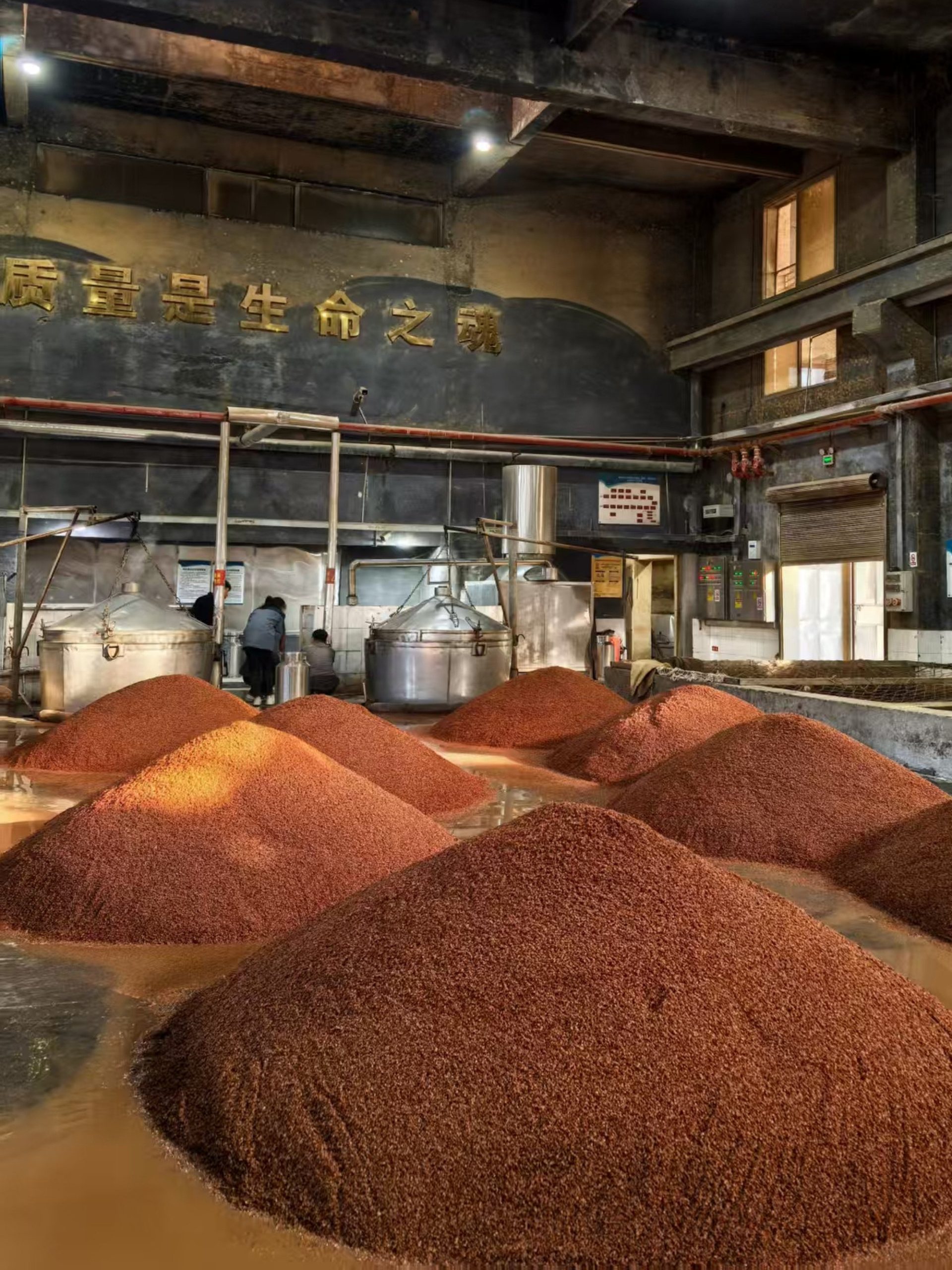
The brewing season in Maotai town typically begins on the ninth day of the ninth lunar month, a time when the Chishui River runs clear after the rainy season. Distilleries conduct elaborate ceremonies to start the annual brewing cycle, coinciding with the Chung Yeung Festival, or Double Ninth Festival, which celebrates the number nine for its positive energy. During this time, distilleries feed crushed red sorghum into fermentation pits, marking the beginning of the production process.
However, this year’s festivities were overshadowed by persistent rain and fog, reflecting a broader downturn in the baijiu sector. On October 29, the wholesale price of Moutai Flying Fairy, a flagship product from Kweichow Moutai Company, reached a new low. The state-backed giant has faced mounting pressure, with hundreds of smaller distilleries shutting down over the past few years.
The Impact of Changing Drinking Habits
Younger Chinese consumers are increasingly rejecting forced-drinking norms, and Beijing’s austerity measures have banned alcohol at official banquets, further impacting traditional demand drivers. For distilleries, rebranding and finding new markets have become essential survival strategies.
Maotai town is particularly affected by Beijing’s tightening grip on Communist Party discipline. For decades, Kweichow Moutai’s prosperity was tied to public-sector purchases that were less price-sensitive. However, the firm’s success also led to the rise of numerous smaller liquor makers and merchants. Today, it is easier to buy baijiu than bottled water in the town.
Historical Significance and Modern Challenges
Maotai town holds historical significance as a red-tourism site, linked to the Long March. General Geng Biao once mentioned soldiers using Maotai baijiu for refreshment and muscle relaxation. In recent history, the town hosted team-building activities for public officials, who often purchased affordable bulk baijiu as souvenirs or gifts. However, these visits have dwindled, with visitors hesitant to deviate from guided tours to make purchases.
Kweichow Moutai and remaining small distilleries now face a long march to break free from reliance on officialdom and a drinking culture they once depended on. He Yong, secretary general of the China Alcoholic Drinks Association, emphasized the need for reconstruction in how liquor is expressed in China, noting a shift from social-driven drinking to self-driven preferences among younger generations.
Innovation and New Markets
To adapt, Kweichow Moutai has moved away from images of extravagance and corruption, launching products aimed at younger consumers, such as baijiu-flavored ice cream and alcohol-infused lattes in partnership with Luckin Coffee. The pivot has become more urgent as China ages, with the core baijiu consumer cohort shrinking by about 28 million over the past five years.
Guizhou has introduced a three-year plan to reframe the baijiu sector from “selling liquor” to promoting a broader baijiu-centred lifestyle. This includes integrating baijiu with tourism, sports, cultural events, and wellness services, along with developing low-alcohol, fruit-infused baijiu and Chinese-style cocktails.
Expanding Beyond Borders
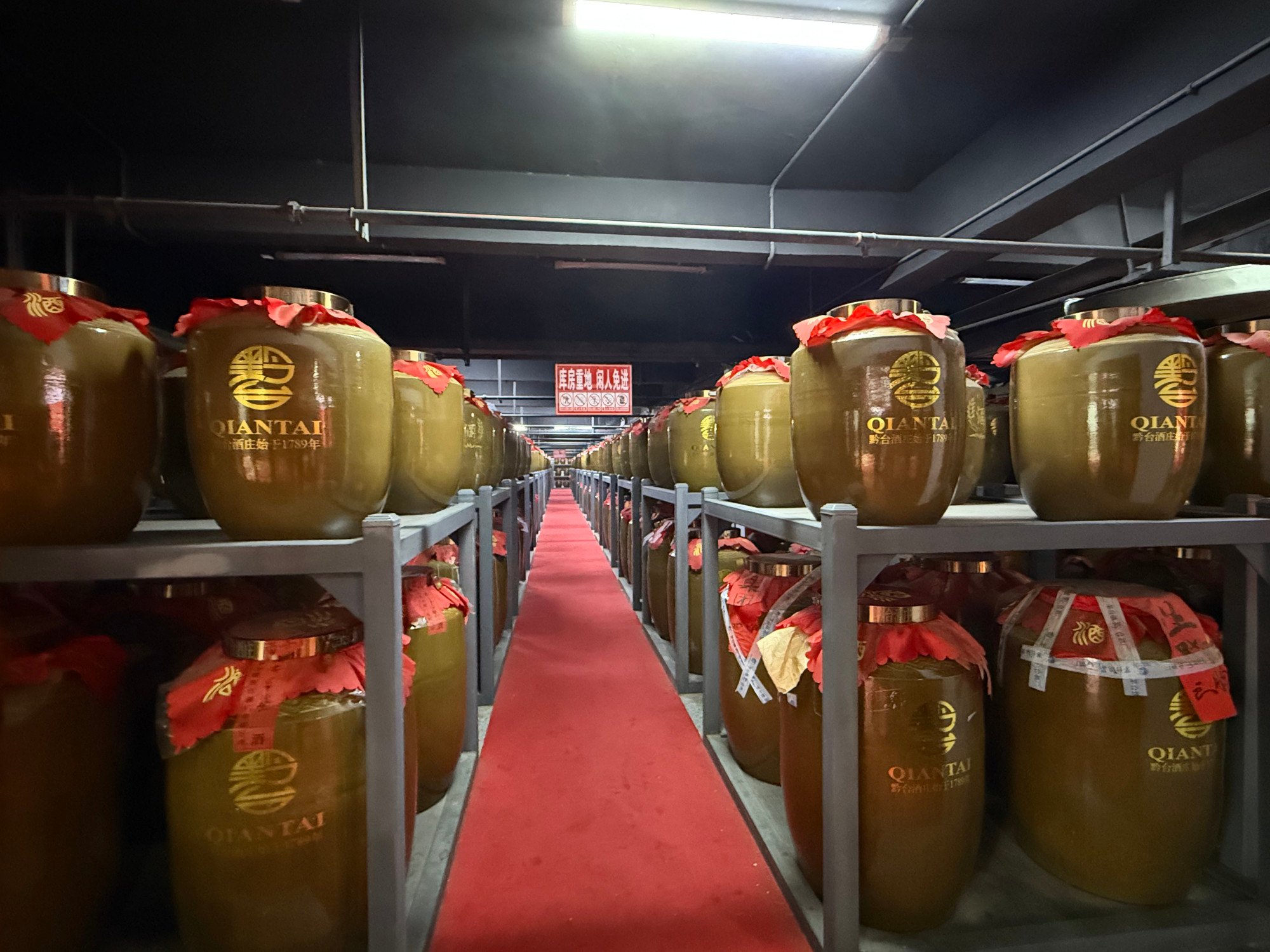
Smaller producers without widely recognized brands face steeper challenges in launching new products. Luo Jiajia of Changhong distillery said they focus on expanding sales channels, now participating in government-organised baijiu fairs to attract tourists. Other local baijiu makers are leveraging social media to change perceptions, with Qiantai distillery manager Xiao Shuai posting videos on Douyin, showcasing daily operations and offering commentary on China’s drinking culture.
Global Expansion and Future Prospects
Like other domestic sectors facing sluggish demand, baijiu producers are eyeing overseas markets. While Chinese baijiu is overwhelmingly dependent on the home market, challenges remain amid a global trend towards lighter drinking. Kweichow Moutai has taken the lead in overseas expansion, appearing at Paris’ Viva Technology conference and intensifying efforts in regions where Chinese enterprises are focusing their expansion.
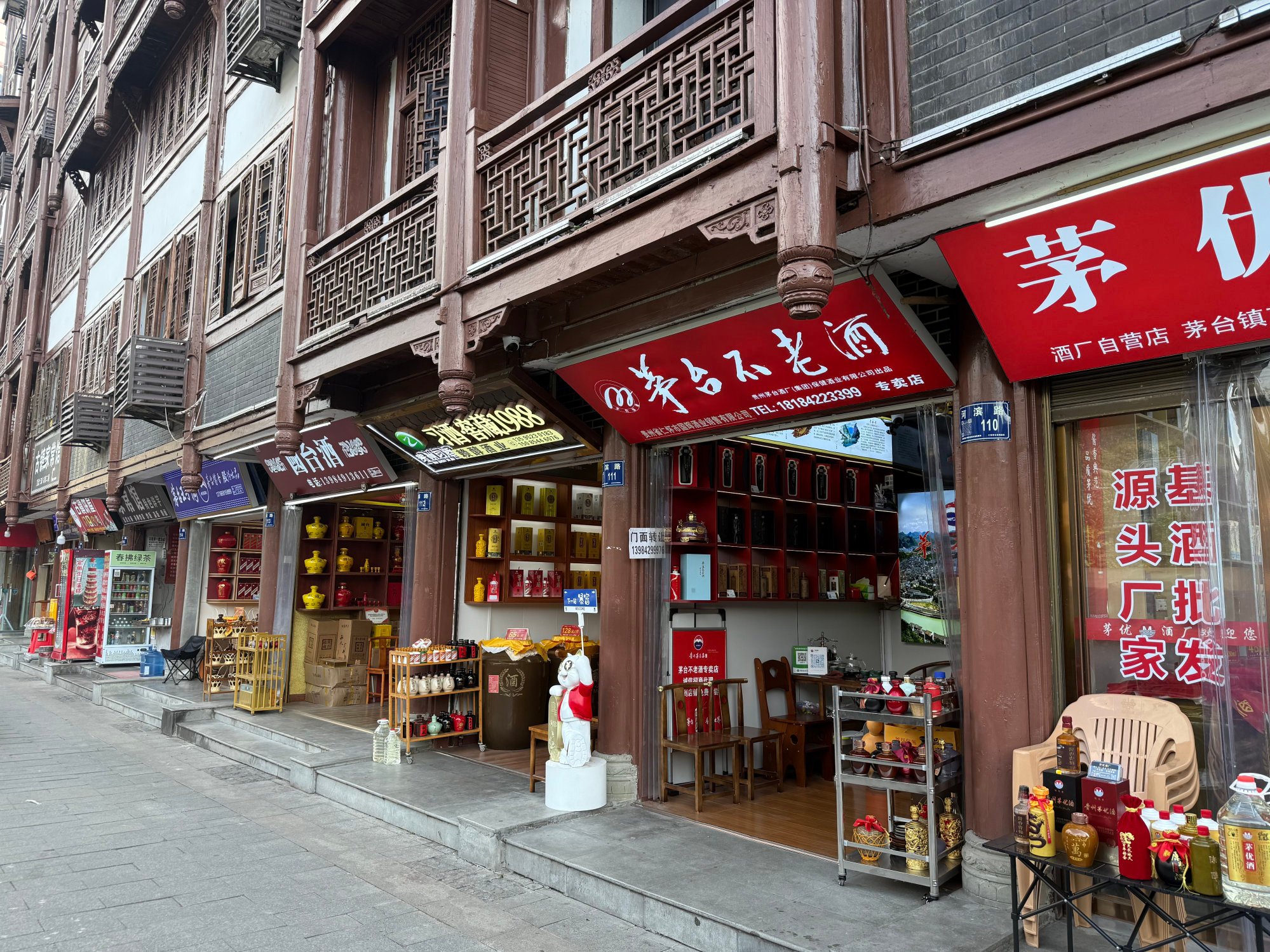
Smaller brands, under local guidance, are also participating in overseas wine expos and trade fairs, prioritizing Hong Kong and Southeast Asia. Luo believes exporting to these markets is feasible due to familiarity with Chinese culture, though affordability remains a key question.
For many in Maotai town, memories of a booming market still linger. The spirit was once treated as “liquid gold,” a status symbol and investment. Industry insiders note that baijiu is a cyclical sector, but many doubt whether the previous frenzy will return. Xiao at Qiantai Distillery remarked that baijiu should be seen as something to drink, not a financial asset.

Related posts:

Mother Suffers Daily Allergic Attacks After Drinking Contaminated Coffee Syrup


Challenges of Climate Change in Africa and Lessons from China’s Green Revolution

Senate joint committee finally holds hearing on Ivanhoe deal

True measure of leadership lies not in power, privilege, pageantry – Tinubu at book presentation