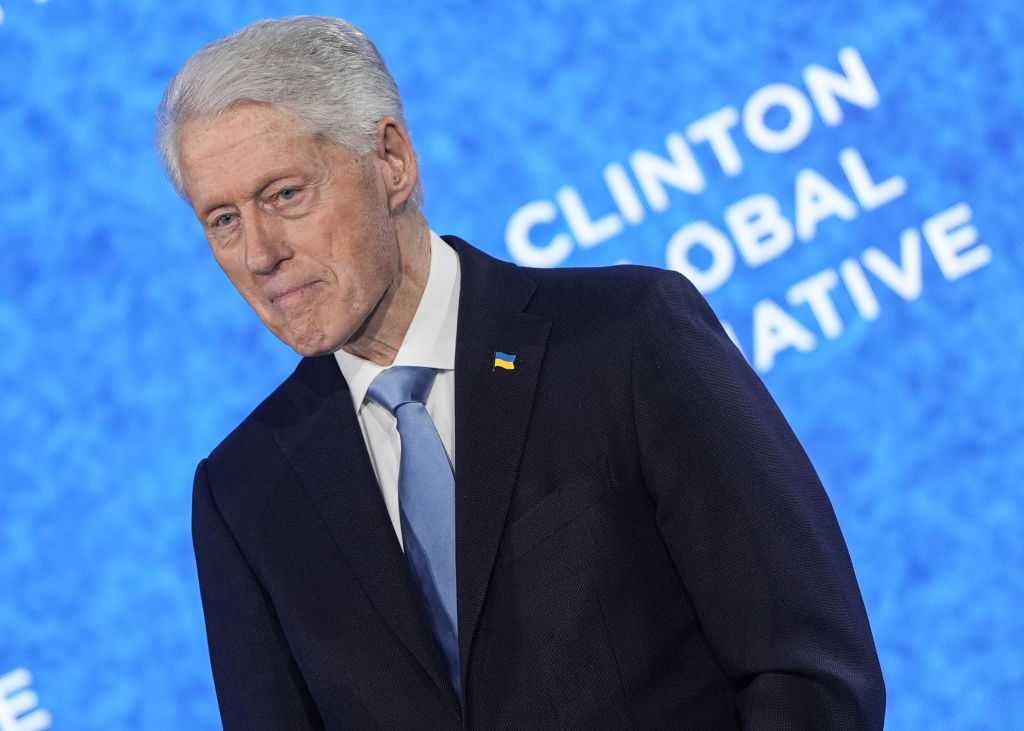
A Historic Testimony
Former President Bill Clinton faced a grueling six-hour deposition from members of Congress on Friday, where he maintained that he “did nothing wrong” in his relationship with Jeffrey Epstein. During the closed-door session, which took place in Chappaqua, New York, Clinton expressed that he had not seen any signs of Epstein’s alleged sexual abuse. This testimony marked a historic moment as it was the first time a former U.S. president was compelled to testify before Congress.
Clinton shared an opening statement on social media, stating, “I saw nothing, and I did nothing wrong.” He emphasized that he would often mention his lack of memory regarding events from over 20 years ago but remained certain about his lack of awareness of any abuse. The deposition came a day after his wife, former Secretary of State Hillary Clinton, also appeared before lawmakers.
Accountability and Public Scrutiny
The proceedings highlighted the ongoing debate about accountability in the United States, especially concerning powerful individuals who have been linked to Epstein. Following Epstein’s 2019 suicide while facing sex trafficking charges, there has been increased scrutiny of those connected to him. Republicans, led by House Oversight Committee Chair James Comer, have been particularly vocal in their desire to question Clinton.
Comer noted that many high-profile individuals have managed to avoid consequences for their actions. “Men — and women for that matter — of great power and great wealth from all across the world have been able to get away with a lot of heinous crimes,” he said. This sentiment underscored the importance of the deposition, as it provided an opportunity for lawmakers to scrutinize Clinton under oath.
Controversial Relationships and Evidence
Clinton’s relationship with Epstein and Ghislaine Maxwell, Epstein’s former girlfriend, has drawn significant attention. Despite the time frame being the late 1990s and early 2000s, lawmakers are keen to explore these connections. Clinton mentioned that he had long stopped associating with Epstein following his 2008 guilty plea.
The committee has gathered evidence suggesting that Epstein visited the White House 17 times and that Clinton flew on Epstein’s airplane 27 times. These details were part of the broader context surrounding the investigation into Epstein’s activities.
Political Tensions and Calls for Transparency
Democratic lawmakers also posed challenging questions to Clinton during the deposition. They emphasized that Clinton had concealed his relationship with Epstein for a long time. Clinton responded by stating that he had not associated with Epstein since the 2008 plea.
Republicans were eager to question Clinton, with Comer pledging extensive questioning. He claimed that Hillary Clinton had often deferred questions about Epstein to her husband. Clinton criticized this approach, stating that including his wife was “simply not right.”
Precedent and Implications
The deposition raised questions about whether a precedent had been set for future investigations. Democrats argued that the same standard should apply to President Donald Trump, who had his own connection to Epstein. Rep. Robert Garcia urged Trump to “man up” and answer questions, calling the investigation a hoax.
Trump expressed sympathy for Clinton, stating, “I like Bill Clinton, and I don’t like seeing him deposed.” Meanwhile, Democrats called for the resignation of Trump’s Commerce Secretary, Howard Lutnick, due to his ties with Epstein.
Ongoing Investigations and Calls for Action
Lutnick had previously claimed to have severed ties with Epstein after a 2005 visit, but evidence revealed that he attended events at Epstein’s home in 2011 and 2012. Democratic lawmakers, including Rep. Ro Khanna, called for Lutnick to appear before the committee, stating they had the votes to subpoena him.
The deposition of Bill Clinton has sparked a broader conversation about accountability, transparency, and the responsibilities of public figures. As the investigation continues, the focus remains on ensuring that those with power and influence are held to the same standards as others.


