Key Developments in Labor and Pension Policies
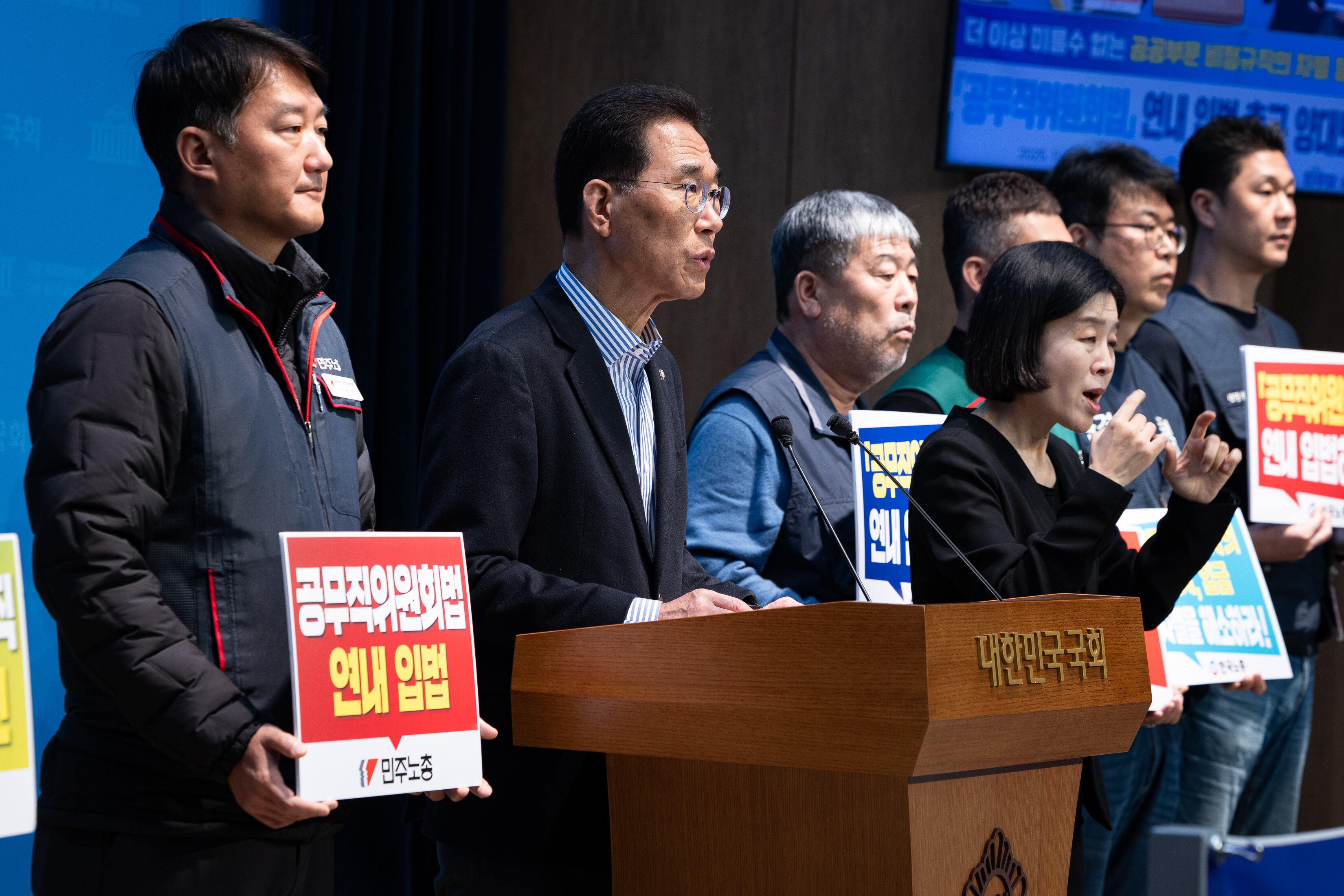
The Democratic Party of Korea, along with the government, has announced a series of measures to address concerns surrounding the upcoming implementation of the ‘yellow envelope bill’ (Amendments to Articles 2 and 3 of the Trade Union and Labor Relations Adjustment Act). The law is set to take effect on the 10th of next month. To ensure a smooth transition, the party and government have committed to establishing on-site support teams to prevent unnecessary confusion and conflicts during the implementation phase.
Han Jeong-ae, the policy chief of the Democratic Party of Korea, emphasized that the revised law goes beyond simply expanding the scope of employers. It is described as a “gap-resolution law” aimed at creating a channel for subcontract workers—who have long been excluded from meaningful dialogue—to engage in substantive discussions with primary contractors.
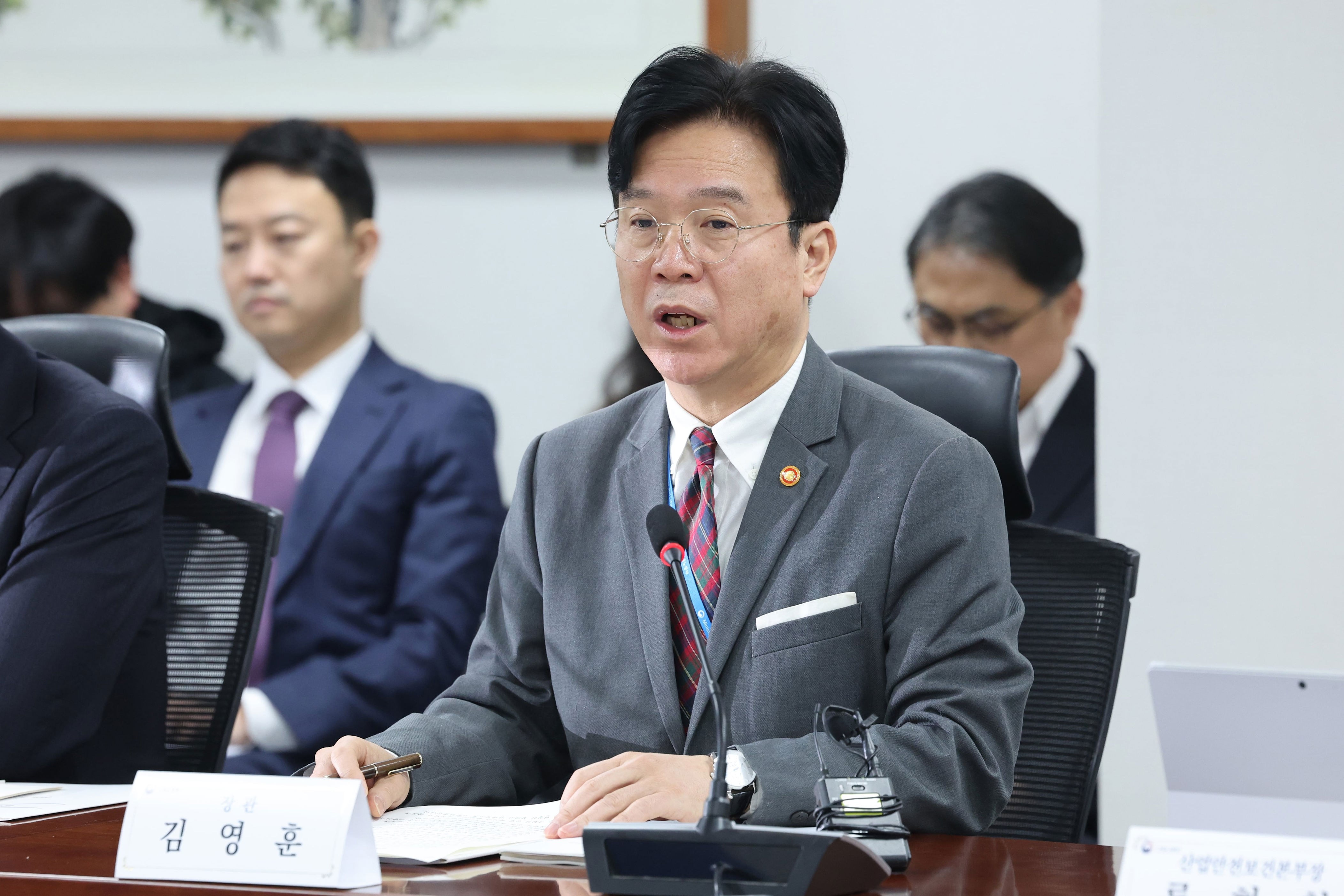
During a party-government consultation meeting held at the National Assembly Members’ Office Building, Han addressed Minister of Employment and Labor Kim Young-hoon and others, urging them to prepare enforcement decrees and interpretation guidelines. This would help prevent confusion in the negotiation procedures between primary and subcontractors during the initial implementation of the law. In particular, Han stressed the importance of preventing unnecessary legal disputes through prior determinations of employer status.
Government Response and Implementation Plans
Minister Kim responded by highlighting that the ‘yellow envelope bill’ is a dialogue-promoting and gap-resolution law. He stated that it aims to break the cycle of damages and extreme struggles where dialogue itself has become illegal. To ensure predictability, the government is preparing clear criteria for determining employment relationships and the scope of negotiations. Additionally, a joint response system with relevant ministries is being developed.
The government is also operating on-site support teams to prevent unnecessary confusion and conflicts at primary-subcontractor negotiation sites. These teams are working on developing model cases of cooperative negotiations to guide the process.
The core of the ‘yellow envelope bill’ is that if a primary contractor structurally controls subcontract workers’ working hours, methods, etc., those workers can gain the right to negotiate with the company (primary contractor). The bill passed the National Assembly plenary session on August 24 of last year and is set to be implemented on the 10th of next month.
Expansion of Retirement Pension Coverage
In addition to the labor reforms, the party and government have announced plans to legislate within the year a plan to mandate retirement pensions for all workplaces and fund them like the National Pension Service. This initiative is part of a broader effort to strengthen the retirement pension system.
Representative Han highlighted the importance of the tripartite joint declaration achieved by labor, management, and the government on the 6th. This declaration includes activating fund-type retirement pensions and mandating external reserves 20 years after the system’s introduction. Amendments to the Workers’ Retirement Benefits Guarantee Act are seen as essential to implement these measures, including the Small and Medium Enterprise Retirement Pension Fund, the phased expansion of retirement pension funds for workplaces with 300 or fewer employees, and the mandatory external reservation of retirement benefits.
Han also emphasized the need for the government to meticulously prepare customized support measures based on fact-finding surveys to ensure small business owners do not face sudden burdens due to changes in the retirement pension system.
Collaborative Efforts for Structural Improvements
In response, Minister Kim reiterated the government’s commitment to preparing specific measures that will ensure the core spirit of the joint declaration leads to substantive institutional improvements. He pledged close cooperation with the party.
Kim Joo-young, the Democratic Party’s floor leader on the National Assembly’s Climate, Energy, Environment, and Labor Committee, mentioned that discussions were held on forming a working group comprising relevant ministries and labor-management representatives to implement structural improvements to the retirement pension system.
Earlier, the tripartite labor-management-government task force for strengthening retirement pension functions announced a joint declaration stating that they will mandate the introduction of retirement pensions (external reservation of retirement benefits) for all workplaces. This will be implemented in phases, considering the size and conditions of workplaces. They also agreed to fully introduce ‘fund-type retirement pensions’ as one operational method to enhance returns.
Representative Kim conveyed that to implement this declaration, there was an opinion to operate a working group comprising the Ministry of Employment and Labor, the Ministry of Economy and Finance, the Financial Services Commission, the Financial Supervisory Service, representative businesses from the industry, and labor-management organizations.
He also explained that they decided to review whether to prioritize the external reservation of retirement benefits for new public sector employees and to prepare support measures for small workplaces. Discussions also took place on future tasks, including fact-finding surveys on employees with less than one year of service and special-type workers who are in the ‘blind spot’ of the retirement pension system.