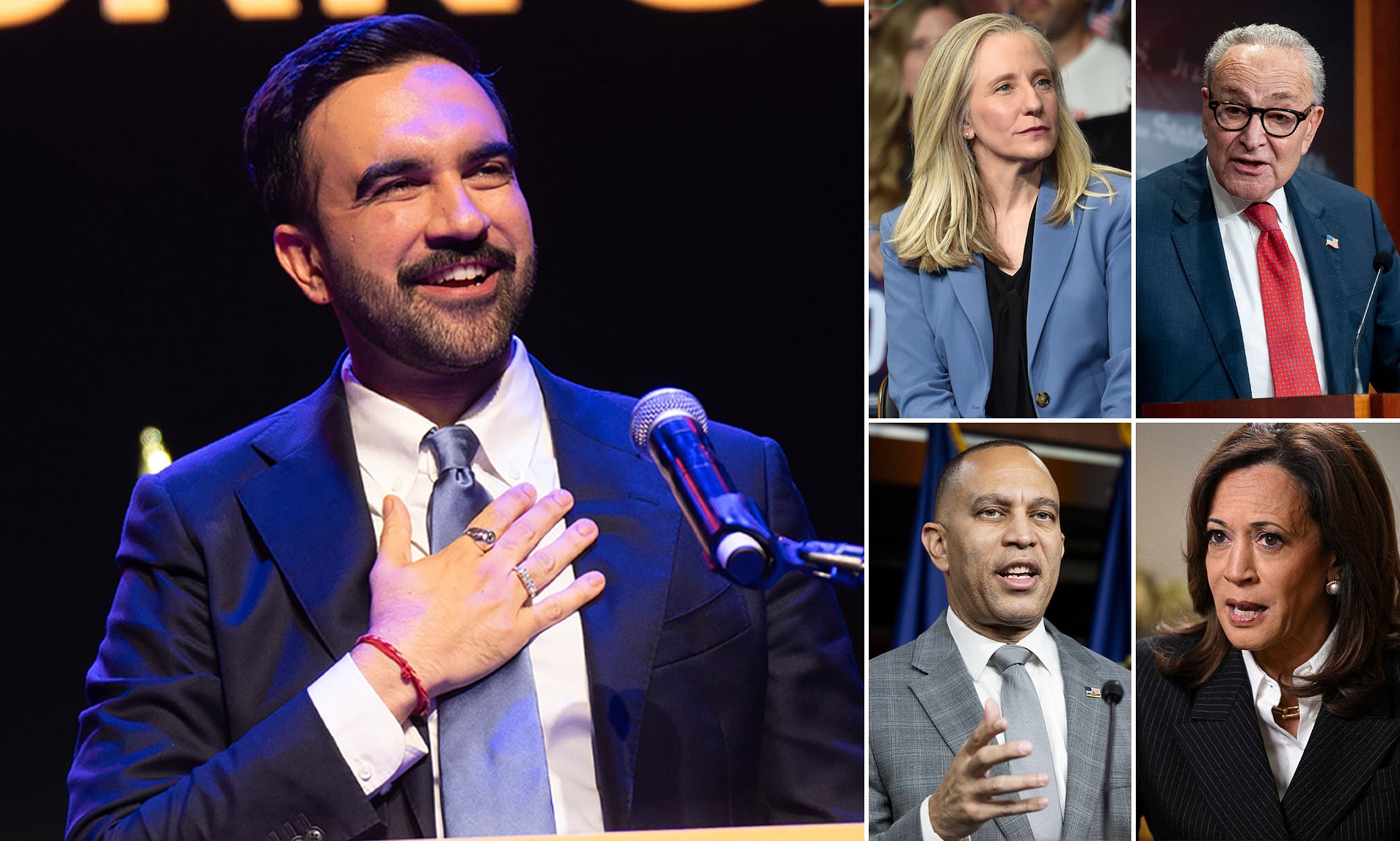
The Rise of Zohran Mamdani and the Democratic Party’s Dilemma
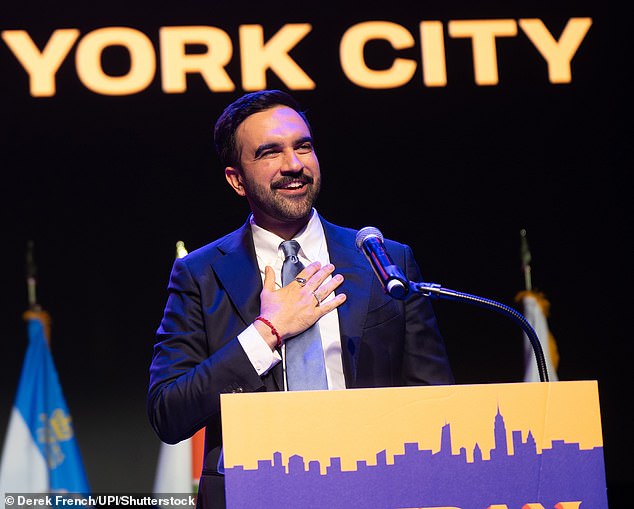
The recent elections have marked a significant shift in political dynamics, particularly for the Democratic Party. On Tuesday, the party experienced a strong night at the polls, regaining two governors’ mansions and securing a major redistricting victory in California that could add five more seats to their congressional lineup. However, the party is now grappling with internal divisions following the election of Zohran Mamdani as New York City’s first Muslim and democratic socialist mayor.
Mamdani, a 34-year-old state assemblyman from Queens, has been vocal about the high cost of living in America’s largest city. His campaign focused heavily on issues such as making food permits more affordable for halal cart operators and expanding childcare access. These proposals generally do not raise concerns among moderate Democrats, especially at the state level. However, his plans to freeze rent costs for stabilized tenants, establish city-owned grocery stores, and make city buses fare-free have sparked unease within the party.
Moderates are also wary of the potential consequences of Mamdani’s socialist label, fearing it could make the Democratic Party more vulnerable to Republican attacks. So far, many moderates have chosen to ignore Mamdani or avoid discussing him altogether.
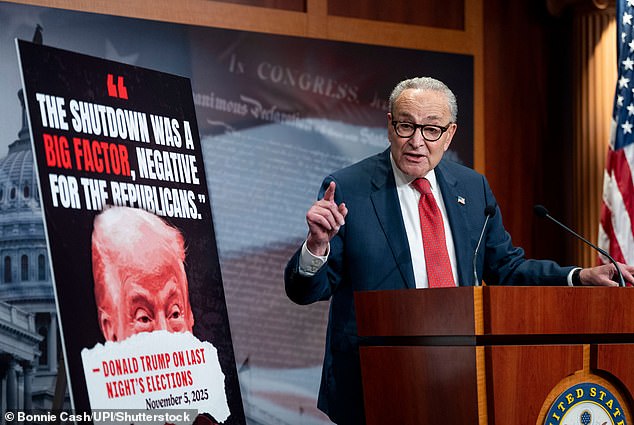
New York Senator Chuck Schumer, a Brooklyn resident, did not publicly address Mamdani’s campaign. Since his election, Schumer has spoken with the mayor-elect and described their conversation as “very, very good.” However, he declined to reveal whether he voted for Mamdani.
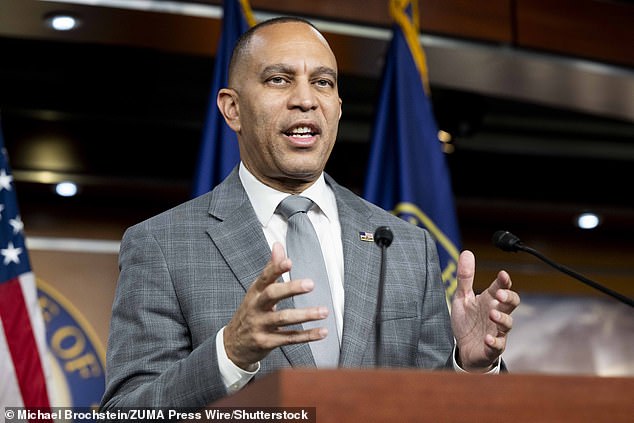
House Democratic Leader Hakeem Jeffries also avoided questions about Mamdani for months before offering a lukewarm endorsement. In a statement on October 24, Jeffries said, “As with any mayor, there will be areas of agreement and areas of principled disagreement… I support him and the entire citywide Democratic ticket in the general election.” Despite this support, Jeffries later stated that he believes Mamdani is not the future of the Democratic Party.
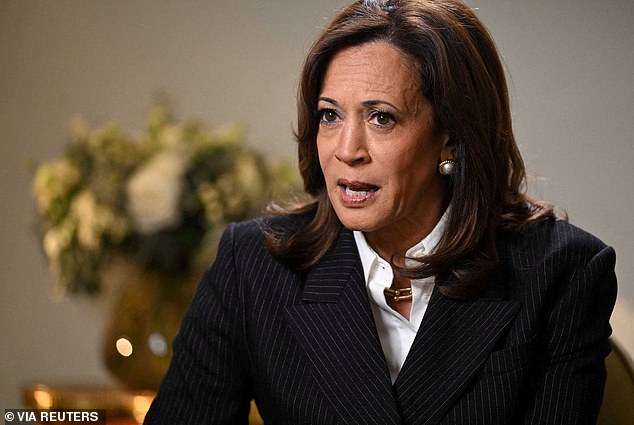
Former Vice President Kamala Harris took a similar approach. When asked by MSNBC host Rachel Maddow in late September about Mamdani, she responded, “Look, as far as I’m concerned, he’s the Democratic nominee and he should be supported.” When pressed further, she added, “I support the Democrat in the race, sure. But let me just say this, he’s not the only star.”
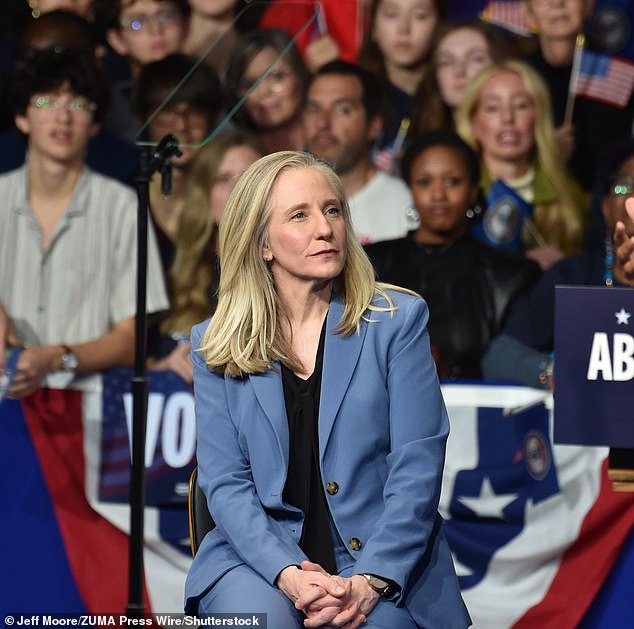
Abigail Spanberger, who won the Virginia governor’s race by 15 points, shares some of the skepticism surrounding Mamdani but expresses it more clearly. She told CNN ahead of Election Day that she does not have a proposal for government-run grocery stores “because I couldn’t ever pass it.” Spanberger emphasized the importance of being aspirational while avoiding misleading voters. She noted that when the party makes promises and then shifts blame, vulnerable people believe them.
Kathy Hochul, another moderate Democrat and New York Governor, initially hesitated to endorse Mamdani but eventually gave her support on September 14. Unlike other Democrats, Hochul will have to work closely with Mamdani, which may lead to early conflicts. The two may find themselves at odds over Mamdani’s proposed tax hikes on corporations and individuals earning over $1 million. Hochul has expressed opposition to these measures, partly due to concerns about wealthy residents leaving the city.
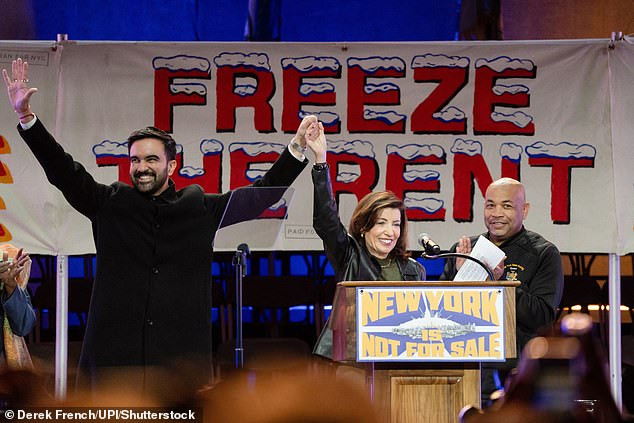
Despite her reservations, Hochul attended one of Mamdani’s rallies in late October and enthusiastically supported him. She praised Mamdani as a “fighter” for the working people of the city. This dynamic of cautious acceptance has emerged among top Democrats, reflecting the complex challenges of balancing ideological differences within the party.
The influential centrist think-tank, Third Way, published a memo the day after Mamdani’s win. While acknowledging his qualities, the memo downplayed his success, arguing that he is too extreme and polarizing to serve as a model for electoral success. However, it encouraged Democrats to emulate his campaign style, including his use of sound-bite-worthy slogans.
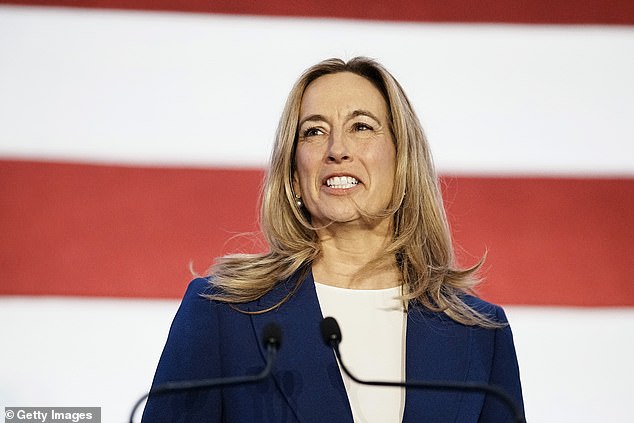
Third Way also expressed concerns about Mamdani’s association with the Democratic Socialists of America, fearing it could be politically damaging. Jim Kessler, the think-tank’s executive vice-president for policy, pointed out that candidates like Abigail Spanberger and Mikie Sherrill won their races with larger margins than Mamdani. He also highlighted the risk of Mamdani becoming a target for Republican attacks, potentially weakening the party further.
Rep. Josh Gottheimer, a New Jersey Democrat, warned that focusing on Mamdani could be a major distraction. For instance, Mamdani previously supported defunding the New York Police Department, a stance he later reversed. Some see the affordability message as a winning strategy, regardless of who adopts it.
Dan Kanninen, the battleground state director for Harris’s presidential campaign, emphasized the importance of returning to core issues like costs and connecting with voters. The Democratic Party faces a critical moment as it navigates the tensions between progressive ideals and pragmatic governance.


