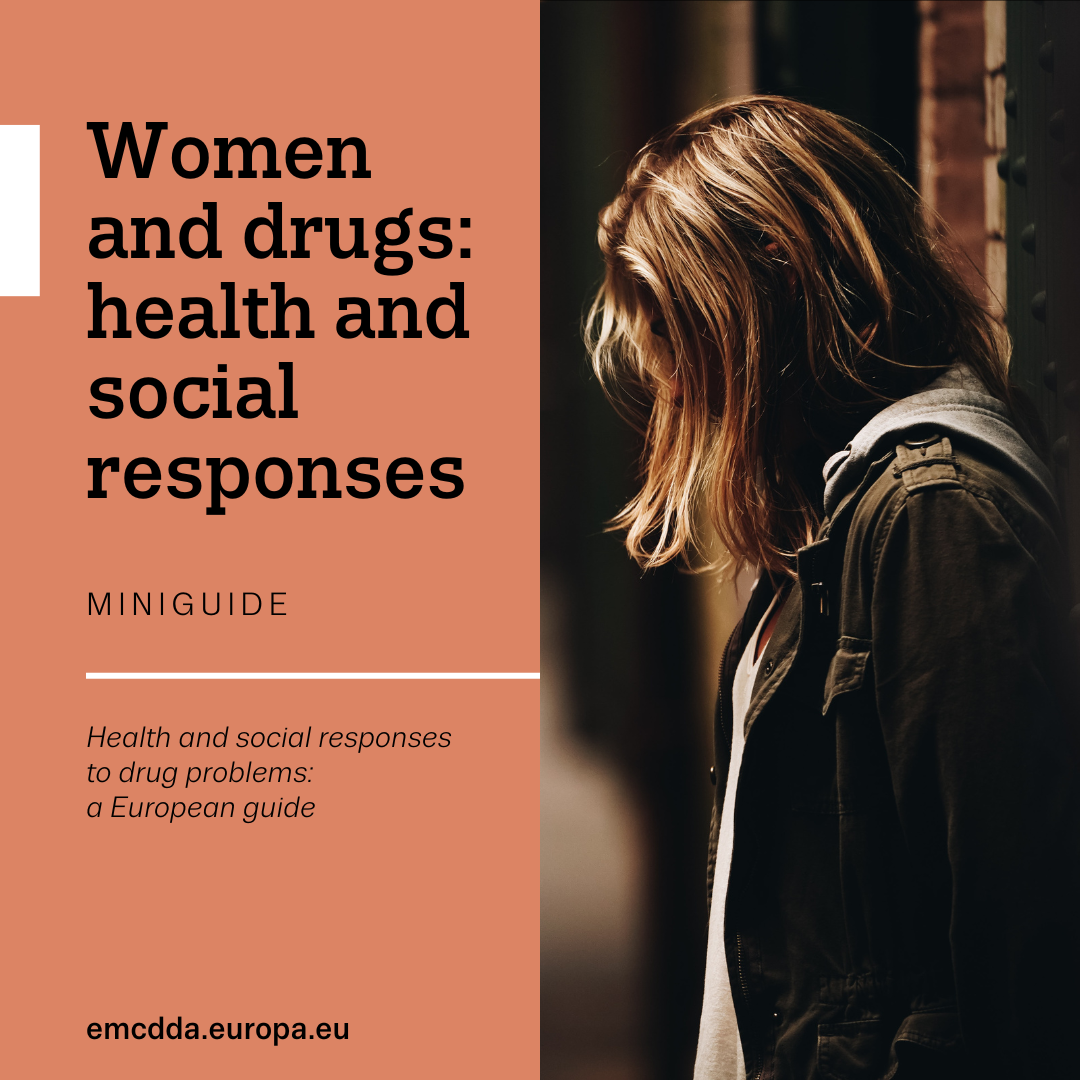
The Hidden Struggles of Women and Drug Abuse
Drug abuse has become a pervasive issue that affects individuals across all walks of life, but its impact on women is particularly profound. Many women turn to drugs as a means of coping with personal struggles, emotional pain, or societal pressures. This article explores the stories of several women who have faced addiction and the challenges they encountered in their journeys toward recovery.
Personal Stories of Addiction
Maryam Sani, now rehabilitated, revealed that her journey into drug abuse began during her time at a Federal College of Education. She initially used cough syrup, which was introduced to her by a friend. Her parents eventually discovered her addiction and took her home, where they monitored her closely and separated her from her friends. This intervention helped her overcome her dependency.
Another woman, Hafsatu Idi, shared how she was lured into substance abuse by an older woman. At 22, she began taking hormonal drugs to appear more masculine, believing she was a man. Her friend introduced her to drugs and even bought her male outfits to reinforce this identity. Hafsatu’s career as a chef was cut short due to her addiction, but she eventually found her way back to her family and school through rehabilitation.
Aisha Hamidu, a mother of three in a polygamous marriage, turned to codeine to cope with the emotional agony of her husband’s infidelity. What started as a temporary escape became a deep addiction that consumed her life. After being admitted to a rehabilitation center, she managed to regain her health and confidence.
Rose Yohanna, a former nurse, fell into addiction after experiencing emotional turmoil in her marriage. She began using injections to forget her pain, but this led to devastating consequences. When she was admitted to a rehabilitation center with her seven-week-old baby, she was told that her breast milk was contaminated with drugs, making it unsafe for her newborn to consume. This experience highlighted the broader social consequences of addiction.
The Role of Social and Family Factors
Aisha Mohammed, a former chartered accountant, shared how her struggle with addiction began after her father’s death. She inherited a large amount of money and felt overwhelmed, leading her to seek control through drugs. Despite her privileged background, she ended up living in a dangerous neighborhood and became HIV positive. Through rehabilitation, she was able to rebuild her life and find happiness again.
The growing wave of drug abuse among women, especially young girls and married women, is becoming a disturbing reality in Kaduna and other parts of Nigeria. A 24-year-old woman, who requested anonymity, shared her story of using codeine, rohypnol, and marijuana for about five years. She managed to keep her drug use secret from her family, but the cost of the drugs was a significant burden.
Sa’adatu Usman, a 35-year-old woman from Adamawa State, recounted how her life changed after falling into drug abuse. She described how her addiction affected her health, studies, and relationships. With the support of her family, she entered rehabilitation and learned coping strategies to stay clean.
Safiyya Shafi’u, a 25-year-old woman from Katsina State, spoke about how peer pressure in secondary school led her to start using drugs. She initially managed to hide her addiction but eventually became dependent. Her family discovered the truth and supported her through rehabilitation.
The Broader Implications
For many years, drug abuse has been seen as a problem that mainly affects men. However, this view does not tell the full story. Women are also using drugs, and their experiences are just as real. Some women turn to drugs because of personal struggles at home, financial hardship, or emotional stress. Others use them in secret to deal with pain or loneliness.
Because of stigma and fear of judgment, women often hide their drug use issues, which makes it harder for them to find help. The effect is not only on them but also on their children, families, and communities around them.
The Need for Support and Awareness
Margaret Kwa’ada Julius, the founder of The Eye Opener Youth and Women Foundation in Kaduna, lamented the rising rate of female drug abusers in communities, describing it as a shared societal problem. She emphasized the need for more empathy and community support, calling for action from various stakeholders.
Dr Amina Kasim Garba, a psychiatrist, explained that substance abuse among women is often linked to deep-rooted vulnerabilities, such as a history of abuse. She stressed the importance of creating safe spaces for women to seek help without fear of shame.
Conclusion
The stories of these women highlight the complex factors that contribute to drug abuse and the urgent need for awareness, support, and intervention. As the issue continues to grow, it is essential for families, communities, and authorities to come together to address the challenges and provide the necessary resources for those struggling with addiction. Recovery is possible, and with the right support, women can reclaim their lives and build a brighter future.


