Common Causes of Hearing Problems in Rwanda
Hearing problems affect both adults and children in Rwanda, with untreated ear infections, exposure to loud noise, and the use of sharp objects in the ears being some of the primary causes. However, medical professionals emphasize that many cases are preventable through early treatment and adopting safe habits.
According to the World Health Organization, over 430 million people worldwide live with disabling hearing loss, including millions of children. Up to 60 percent of hearing loss in children is preventable. This highlights the importance of awareness and timely intervention.
Ear Infections and Their Impact
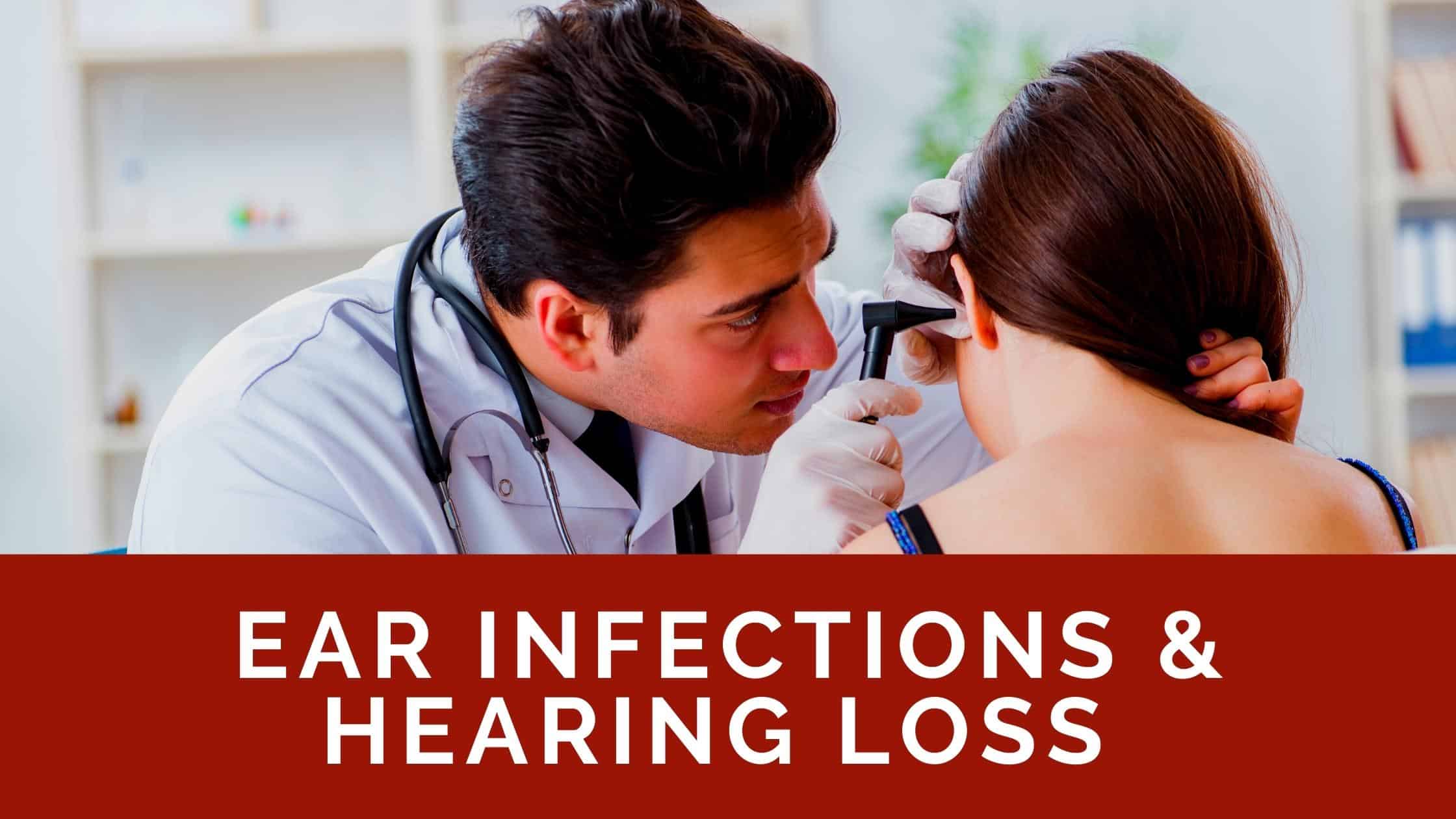
Dr. Aaron Gasore, an ear, nose, and throat (ENT) specialist at Humanhood Clinics, explains that children are particularly vulnerable due to earwax buildup and middle ear infections, known as acute or chronic otitis media. He notes that acute otitis media often develops from untreated colds or sinus infections. If left unaddressed, it can progress into chronic otitis media, leading to persistent ear discharge and temporary hearing loss.
Gasore also points out that inserting foreign objects such as beans or small stones into the ears and sustaining ear injuries are common and preventable causes of hearing issues. Teaching children not to put objects in their ears and ensuring safe removal of foreign bodies can significantly reduce these cases.
Risks of Loud Noise and Self-Medication
Dr. Tasinimu Agasaro, an audiologist at University Teaching Hospital of Kigali (CHUK), warns about the dangers of self-medication and the use of traditional remedies inside the ear. She also highlights the risks associated with prolonged exposure to loud music, especially among young people who frequently use headphones and AirPods at high volumes.
Noise exposure in workplaces such as construction sites, factories, and the transport sector, as well as frequent attendance at loud social events without ear protection, puts many workers at risk daily. Unfortunately, many individuals are unaware of their right to regular hearing screening. In many workplaces, employers do not consistently provide routine hearing tests or adequate hearing protection devices, increasing the risk of permanent damage.
Agasaro also mentions that ototoxic medications, which are harmful to the ear, can pose a risk if taken without proper monitoring. Additionally, using sharp objects like hairpins and matchsticks to clean the ears can damage the ear canal or eardrum.
Age-Related Hearing Loss and Treatment Options
Dr. Gasore notes that natural age-related decline, referred to as senescence, is another risk factor. While age-related hearing loss cannot be prevented, he states that hearing aids can help, and in severe cases, cochlear implants can restore some hearing.
Rwanda has successfully carried out cochlear implants at King Faisal Hospital, though the procedure is expensive and not yet covered by Community-Based Health Insurance (Mutuelle de santé). Cochlear implants are small electronic devices that help people with very severe hearing loss hear sounds when regular hearing aids are not enough.
Statistics and Challenges
Statistics show that hearing loss remains a serious issue in the country. A 2012 Rwanda Population and Housing Census found that 0.4 percent of the population has hearing impairment, rising to 16 percent among people with disabilities. A 2009 study in Kigali schools reported that 1.4 percent of children aged six to 13 had hearing problems, with 18 percent affected by earwax buildup. Hospital studies also show that chronic ear infections are common.
At Rwanda Military Referral and Teaching Hospital in 2019, 18.4 percent of patients who sought care for ear problems had hearing loss, mostly due to chronic infections and perforated eardrums (holes in the eardrum).
Early Signs and Recognition
Dr. Agasaro advises parents to watch for early signs of hearing loss in children, including delayed speech, failure to respond to their name, frequently asking “what?”, misunderstanding instructions, and poor academic performance. In Rwanda, many parents only realize their child has hearing loss when they are two years old or older, usually when speech delays become noticeable. The lack of newborn hearing screening and limited awareness of early warning signs delays identification.
For adults, hearing loss may appear as difficulty following conversations in noisy environments, frequently asking people to repeat themselves, ringing in the ears, or turning up the television or radio volume excessively.
Challenges in Access and Awareness
One of the major challenges is late diagnosis, especially in rural areas where access to hearing care services is limited. Agasaro adds that Rwanda has very few audiologists and specialized hearing clinics, which affects early detection and management.
Effects of Hearing Loss
Hearing loss can affect learning, communication, and mental health. Children may struggle in school, while adults can face difficulties at work or socially, sometimes leading to isolation or anxiety. The audiologist advises the public to seek medical care for ear infections, avoid inserting objects into the ear, limit exposure to loud noise, and undergo hearing screening when warning signs appear.


