Ed Sheeran’s Restaurant Faces Financial Challenges Amid UK Pub Crisis
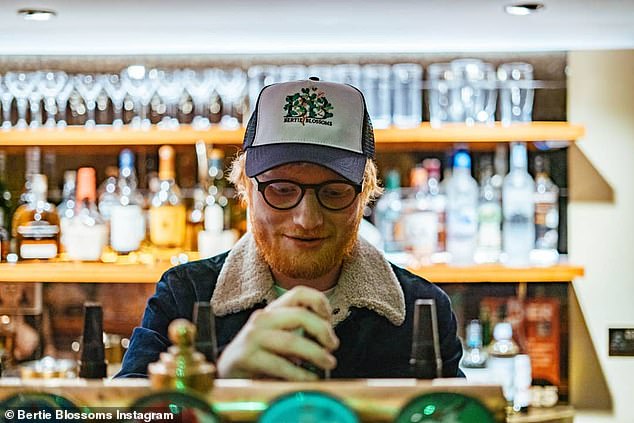
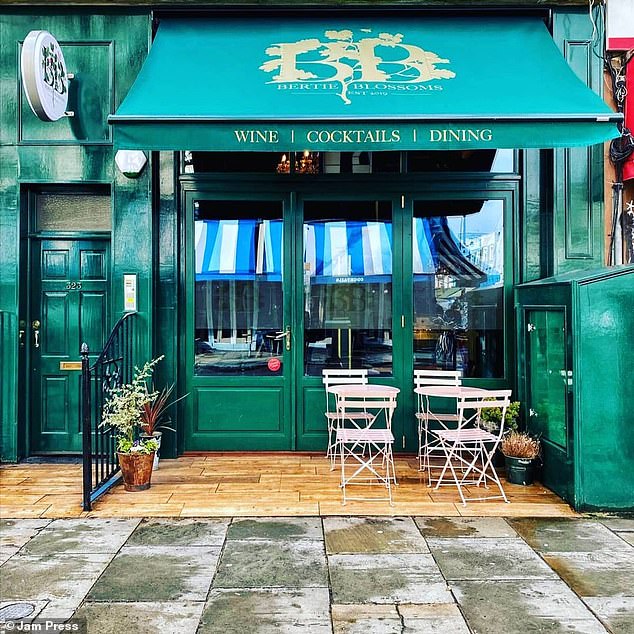
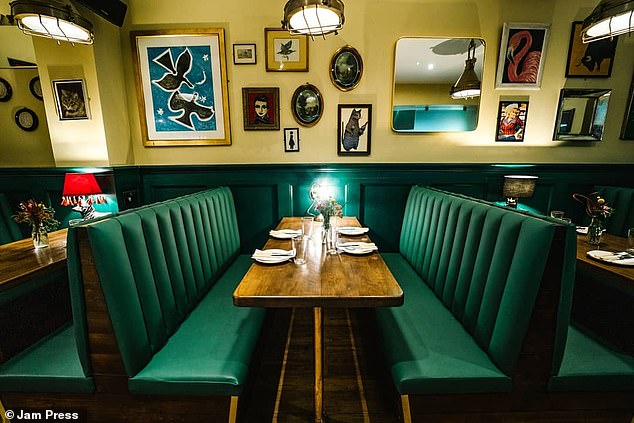
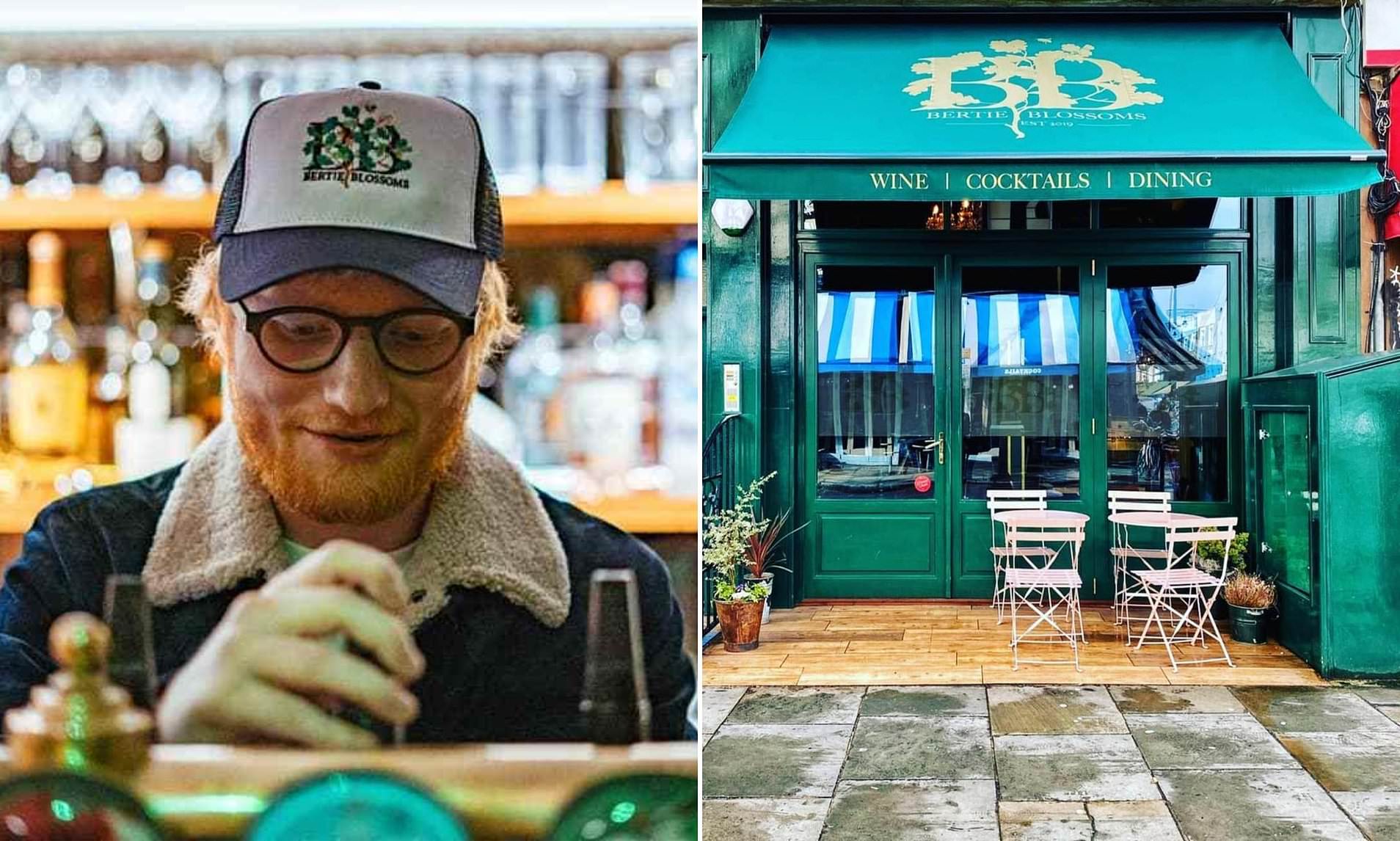
Ed Sheeran, the globally renowned singer, has found himself in a tough spot with his upscale restaurant, Bertie Blossoms, located in the trendy Notting Hill area of London. The establishment, which he opened in 2019, has become another casualty of the ongoing pub crisis in the UK, as its debt has climbed to nearly £1.3 million.
The restaurant, named after Sheeran’s wife, Cherry Seaborn, was launched on Portobello Road and initially aimed to bring a fresh, upmarket dining experience to the area. However, it has struggled financially since its inception, especially during the pandemic, when it had to shut down temporarily. Despite these challenges, Sheeran made the decision to keep all ten staff members employed by paying their wages out of his own pocket, showing a commitment to his team.
In 2021, to attract customers, Sheeran offered 50% off white wine, encouraging people to order takeaways from the restaurant. However, this strategy did not seem to be enough to turn the business around. By 2023, some customers were vocal about their dissatisfaction with the food, criticizing the dishes for tasting like “second-rate microwave meals.”
Struggles with Menu and Customer Experience
Bertie Blossoms prides itself on offering a variety of dishes, including steak, pasta, and chocolate and prune brownies. However, the menu is relatively small, with only nine items listed. The restaurant claims that its food is “freshly prepared,” but some diners have expressed disappointment. One customer shared her negative experience on TripAdvisor, highlighting the limited menu options and poor quality of the food.
She described the kitchen as looking more like a “roadside catering van” and noted that everything seemed to be either over-boiled or deep-fried. The customer also pointed out that the staff looked in need of a good wash. These comments reflect a broader concern among customers about the value and quality of the food at Bertie Blossoms.
Broader Context: The UK Pub Crisis
The struggles faced by Bertie Blossoms are not isolated. The UK is experiencing a significant crisis in its pub industry, with many establishments forced to close their doors. According to recent reports, two pubs are closing every day, prompting calls for action from various political parties.
Reform UK has proposed a series of measures to support the hospitality sector if they win the next election. Their plan includes reducing VAT to 10% for the hospitality sector, which would be funded by reinstating the two-child benefit limit for everyone except working British families. Additionally, Reform aims to scrap the employer national insurance increase for hospitality businesses and cut beer duty by 10%.
Political Responses and Industry Concerns
Reform MP Lee Anderson criticized the major political parties for facilitating the closure of thousands of pubs over the past decade. He emphasized the cultural significance of pubs, stating that their loss affects not just landlords and employees but the entire community. Anderson argued that the current government’s efforts to address the crisis are insufficient.
In response to the growing concerns, the Chancellor announced a rescue package for landlords worth around £100 million next year. This includes a 15% discount on business rates for pubs in England, with the amount frozen for two years. However, this measure did not lift the pub ban on Labour MPs, which was introduced after the end of the pandemic-era support.
Industry Data and Future Outlook
According to the British Beer and Pub Association (BBPA), the number of pubs in the UK has declined significantly over the years, from 69,000 in 1980 to 46,350 in 2021. The Campaign For Real Ale reported that a thousand pubs closed in 2025, equivalent to five a day. While some pubs are seeking new owners, the overall trend remains concerning.
Trade bodies highlight that rising costs, including business rates, duty increases, wage and tax rises, and new waste regulations, are putting additional pressure on the hospitality sector. UKHospitality estimates that an extra £1 billion in national insurance costs was added last year due to budget changes.