A Journey Through Faith and History
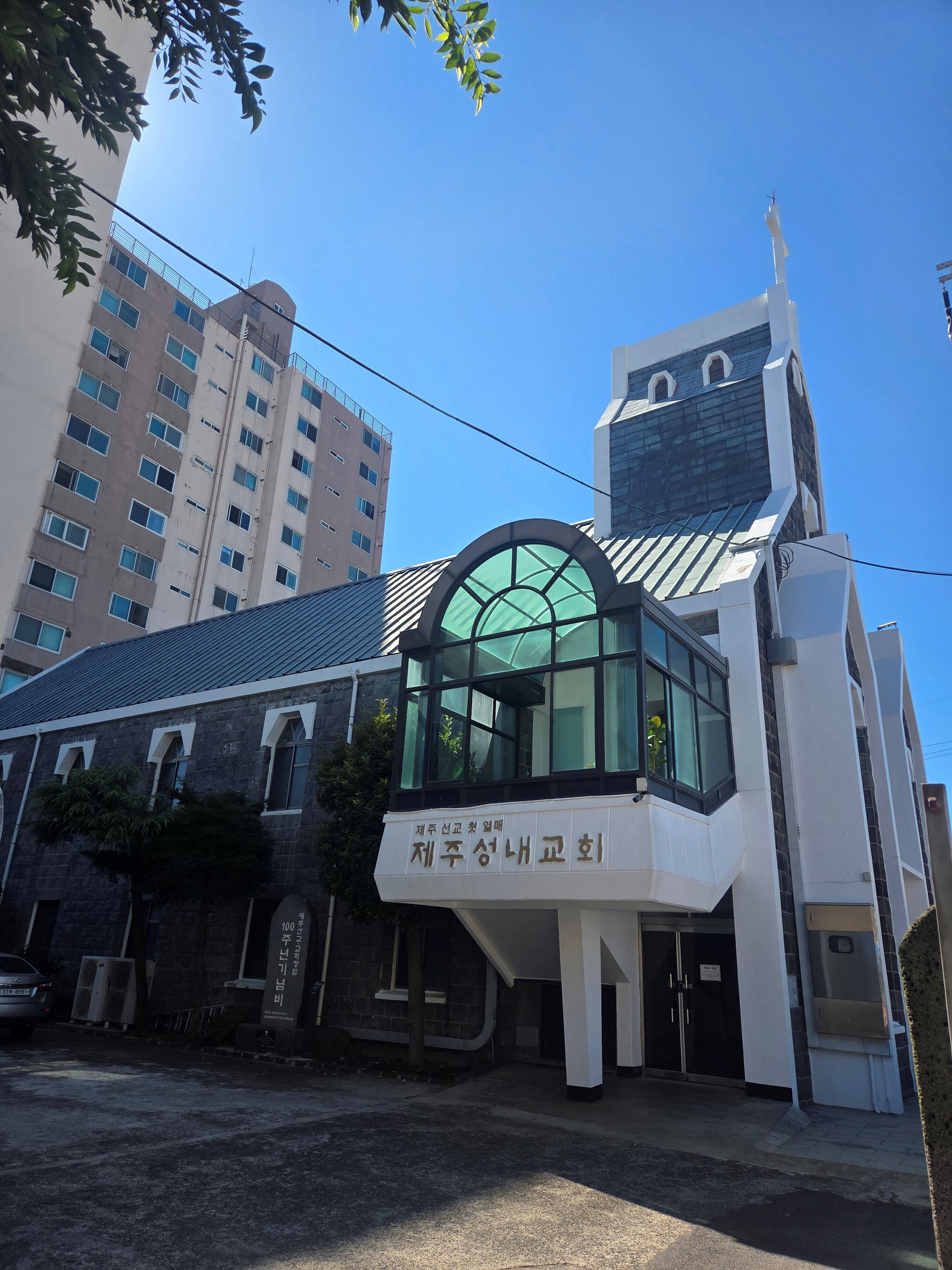
Since last spring, a special feature titled “Journey to Korea’s 100-Year-Old Churches” has been serialized in The Chosun Ilbo. This project, marking the 140th anniversary of Protestant missionary work in Korea this year, introduces the stories of historic churches nationwide. Through this, I have learned much about the early history of Protestantism while traveling across the country. Visiting centuries-old churches has been deeply meaningful. Among these experiences, meeting congregants who take pride in their church’s history has been particularly rewarding. While pastors may change, many congregants have attended the same church for decades, passing their faith through generations. In this sense, these individuals can be seen as the guardians of their churches. Some even take charge of compiling church histories, devouring materials with passion rivaling that of experts and meticulously documenting even minor details. Their strict adherence to facts and balanced approach to historical narratives—avoiding one-sided emphasis to ensure all congregants could accept and acknowledge the past—left a strong impression. Elder Kang Jeong-gil of Jeju Seongnae Church was one such person.
The Pilgrimage of Elder Kang
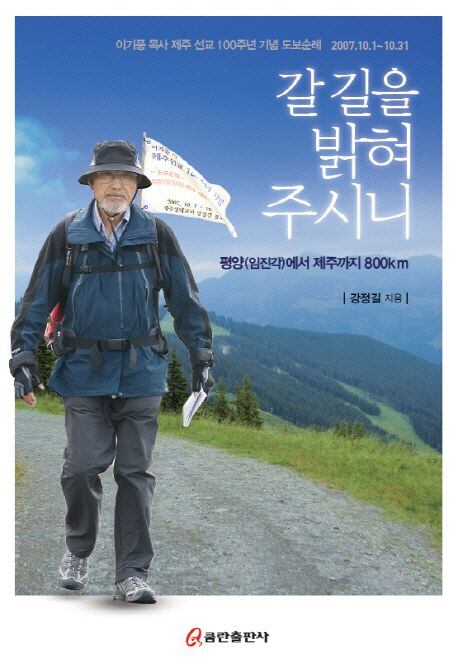
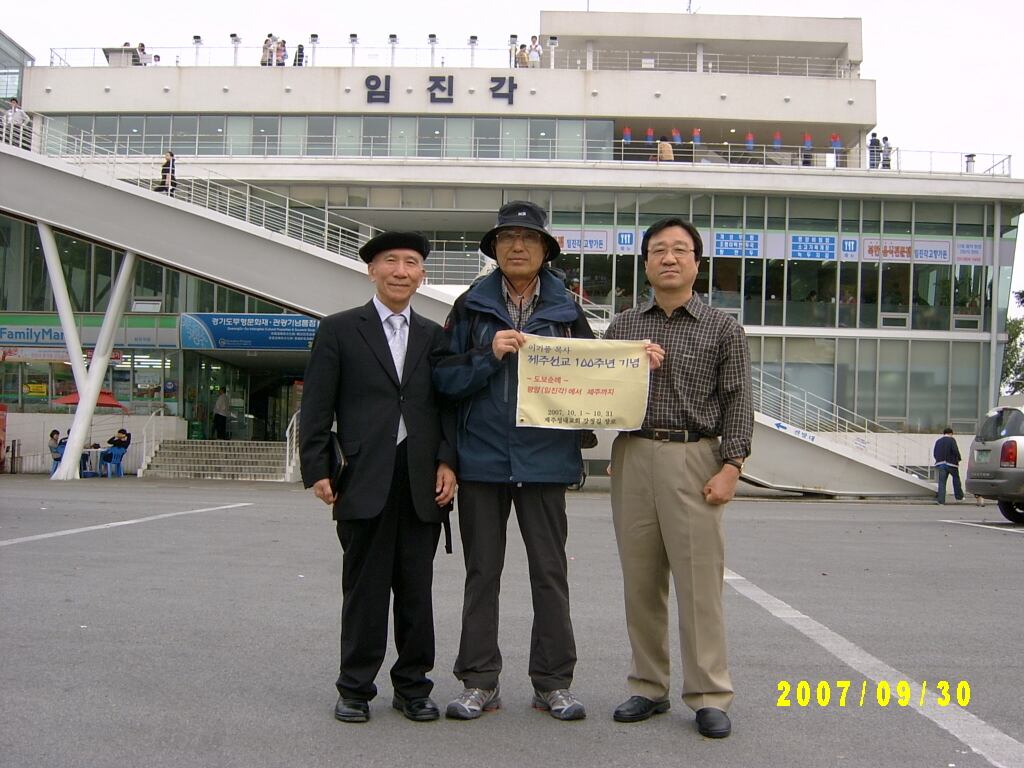
As I concluded my coverage of Jeju Seongnae Church, Elder Kang gifted me a book titled You Illuminate the Path Ahead (Qumran Publishing). The cover featured him walking with a backpack. The book chronicled his solo 800-kilometer pilgrimage from Imjingak to Jeju, undertaken from October 1, 2007, to commemorate the 100th anniversary of Pastor Lee Gi-pung’s missionary work in Jeju. It was published a decade later, in 2017.
The Legacy of Pastor Lee Gi-pung
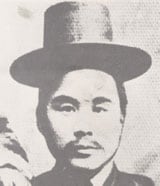
Pastor Lee Gi-pung, one of the first seven Koreans ordained as ministers after graduating from Pyongyang Theological Seminary in 1907, was dispatched by the Chosun Dokrohoe (Korean Methodist Church) to Jeju, where he founded Jeju Seongnae Church in 1908. At the time, indigenous beliefs were widespread in Jeju, and resentment toward missionaries ran deep. Pastor Lee faced extreme hardship, even receiving threats like “Stop preaching, or I will cut your throat.” Despite this, he persisted in evangelism.
Elder Kang’s pilgrimage was a vow to follow Pastor Lee’s footsteps from Pyongyang to Jeju. Pastor Lee had traveled by train to Seoul, then by sailboat from Incheon Port via Gunsan to Mokpo, and finally by boat from Mokpo to Chujado and Jeju. Elder Kang, however, chose the closest overland route, primarily walking along National Highway 1.
A Simple yet Profound Journey
I initially opened the book casually, but soon found myself drawn in. Domestic Santiago pilgrimages and Jeju Olle trails had been popular, with many travelogues sharing dramatic stories. Compared to those accounts, Elder Kang’s book lacked dramatic episodes or extraordinary experiences. Yet, his daily, steadfast steps revealed the humble yet faithful life of a believer. I realized, “This is how Korea’s 140 years of Protestant history have been built—step by step.”
In his mid-60s during the pilgrimage, Elder Kang had served as a Marine Corps officer before teaching in his hometown of Jeju for life. He taught English at Jeju Girls’ High School and later became principal of Jeju Commercial High School (now Jeju Jungang High School). He is also a published essayist. His pilgrimage journal, written in simple prose, captured not only the history of early Protestantism through Pastor Lee but also his own life and faith.
What motivated him to undertake an 800-kilometer pilgrimage? He recalled a TV program, Ancient Horse and Cart Road, where three Tibetans walked 2,100 kilometers to Lhasa over six months, bowing after every five steps. “If they could do that, my one-month, 800-kilometer walk—standing upright—was no reason to hesitate,” he resolved. Thus, on October 1, 2007, 18 years ago, his pilgrimage began.
The Details of the Pilgrimage
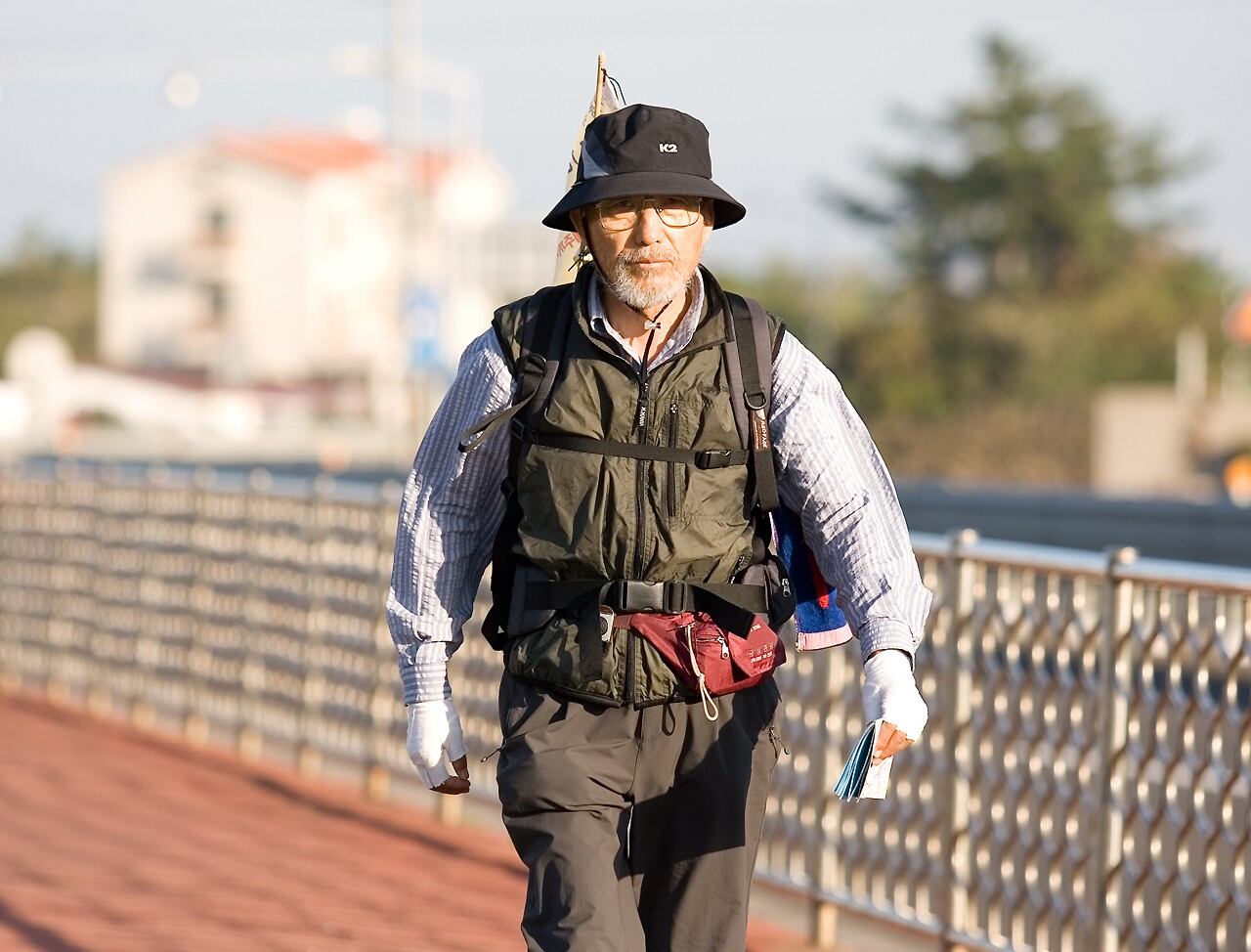
He packed light: hiking gear, shoes, a hat, a backpack, and a walking stick. His 8-kilogram load included 10 photocopied hymns, 200 “mission cards,” and a small Bible. A flag reading “Commemorating the 100th Anniversary of Pastor Lee Gi-pung’s Mission to Jeju: A Pilgrimage on Foot from Pyongyang (Imjingak) to Jeju” adorned his backpack.
He planned to stay in motels and eat at restaurants. His daily schedule: breakfast at 7 a.m., Bible reading (one chapter daily before departure), a prayer while wearing his backpack at the door, and departure at 8 a.m. There were no fixed itineraries. If he saw a church along the way, he would stop in, introduce himself as a pilgrim, hand out a mission card, and continue. The book is a diary-like account of each day’s journey, interwoven with prayers, hymns, and reflections like landscapes.
At crosswalks, he joked, “God, please look away this once,” when jaywalking, then felt ashamed. Passing a memorial for Filipino veterans, he reflected on their sacrifice to aid Korea in its poverty.
Encounters and Reflections
The kindness of strangers was notable. Vendors offered free grapes, apples, and persimmons, saying, “Take one.” When asked if they attended church, one replied coolly, “I go to a Buddhist temple.”
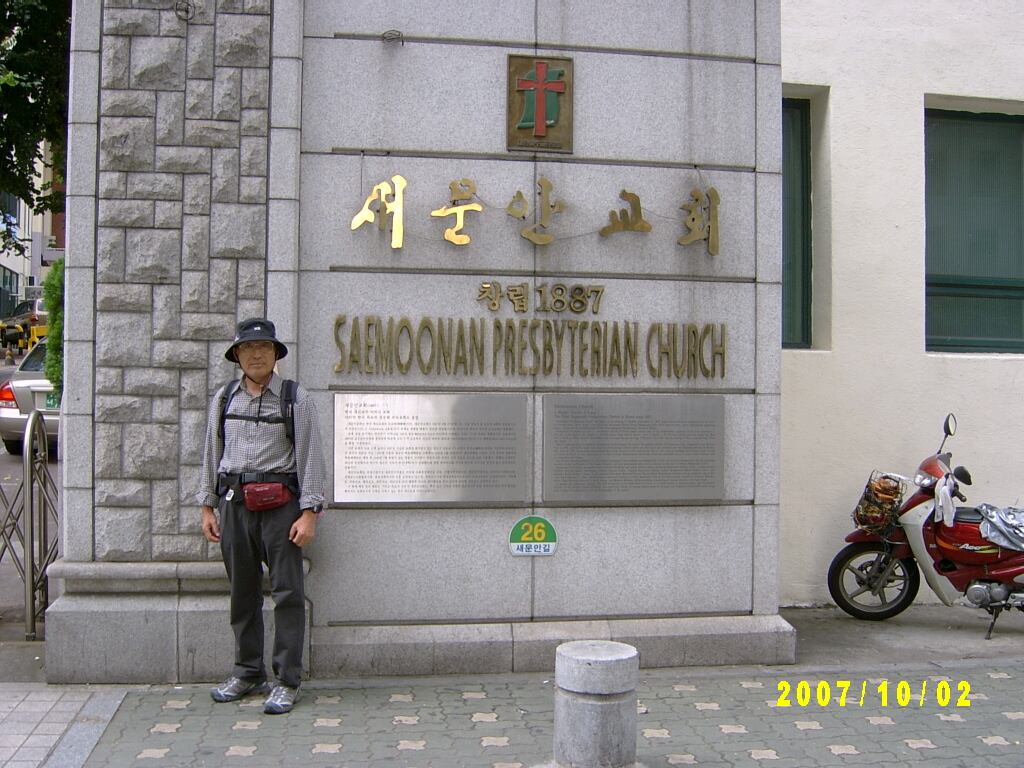
He also visited historic churches. On the second day, he toured Seoul’s Saemunan Church, the first organized Presbyterian church founded by Horace Underwood, and Incheon’s Naeri Church, established by Henry Appenzeller. At Incheon Freedom Park, he paid respects at General MacArthur’s statue and reflected on the Incheon Landing Operation. Incheon was also where Pastor Lee boarded a ship with his family toward Jeju.
Unplanned stops included the Catholic Leprosarium, St. Lazarus Village. While walking along National Highway 1 in Uiwang, Gyeonggi Province, he saw a sign and hesitated but thought, “I’d regret it forever if I passed by.” At the gatehouse, an elderly man with missing finger joints—a sign of leprosy—directed him. Though unannounced, the staff welcomed him. A 15-minute video about the village was screened just for him. He donated a small amount and later wrote, “It was the most perfect garden I’d ever seen.”
Spiritual and Personal Reflections
On Sundays, he attended services at churches along the route. On October 7, at Cheonan’s Seongsim Church, the sermon title, “Be Bold in Times of Trouble,” felt like a personal message.
He also reflected on family. Sharing anecdotes about his courtship with his wife, he wrote, “Even after her calls urging me to take care of my health, I couldn’t add, ‘Honey, I love you.’ She’s the same—perhaps it’s the Jeju temperament.” Stories about his children and grandchildren were heartfelt. As a lifelong believer, he was devastated when his granddaughter and grandson were born with disabilities. Yet he said, “Our family has lived smoothly until now. This trial must be God’s way of guiding us.” He decided to raise his visually impaired granddaughter. He wrote a verse from Job on his living room wall: “Though he wounds, he will bind up; though he slays, he will heal.” His love for his daughter and granddaughter was moving.
Passing golden rice fields, he hummed Hymn 79: “Fairest Lord Jesus.” Then, unexpectedly, he sang Chilgapsan, a popular song. He learned it while studying the ocarina after retirement, but struggled to memorize the lyrics. His granddaughter, despite her visual impairment, had perfect pitch and memory, correcting him. He hummed Chilgapsan, thinking of her.
Observations on Korean Christianity
He also pondered the state of Korean Protestantism. A banner at a Seoul church reading “3330 Movement—3,000 Baptisms, 300 Church Institutions Supported, 30 Churches Established” left him speechless: “In Jeju, this would be a dream.” In Jeongeup, North Jeolla Province, he marveled that half the population of 100,000 were Christians, with diners often praying and business signs named after biblical figures.
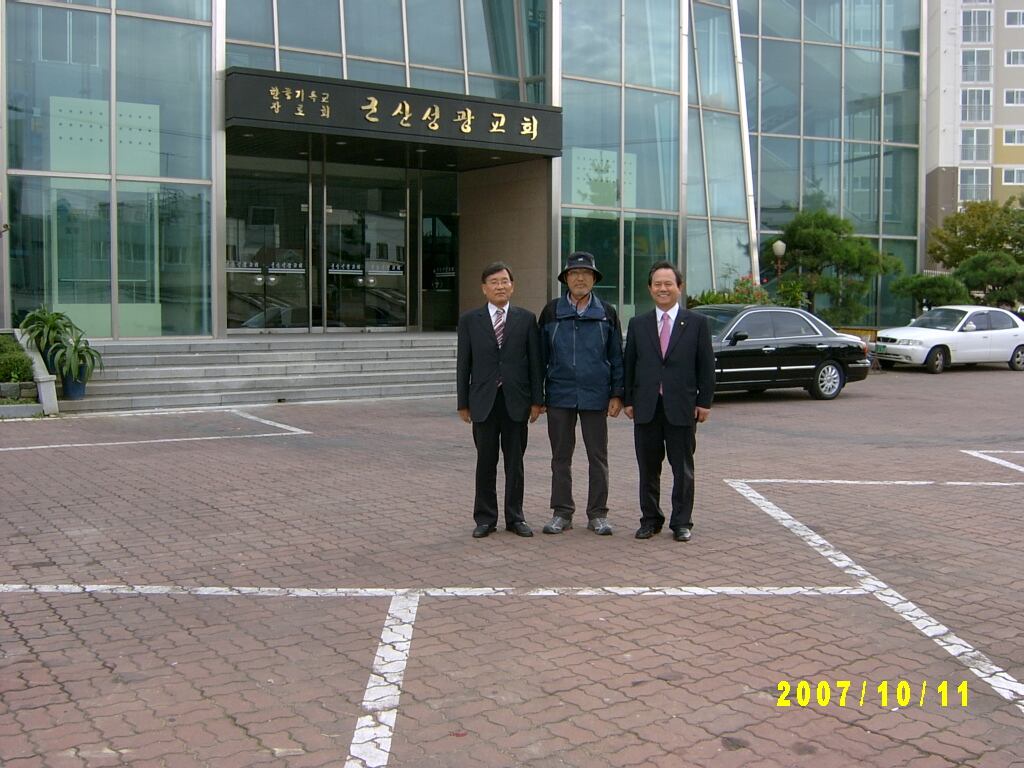
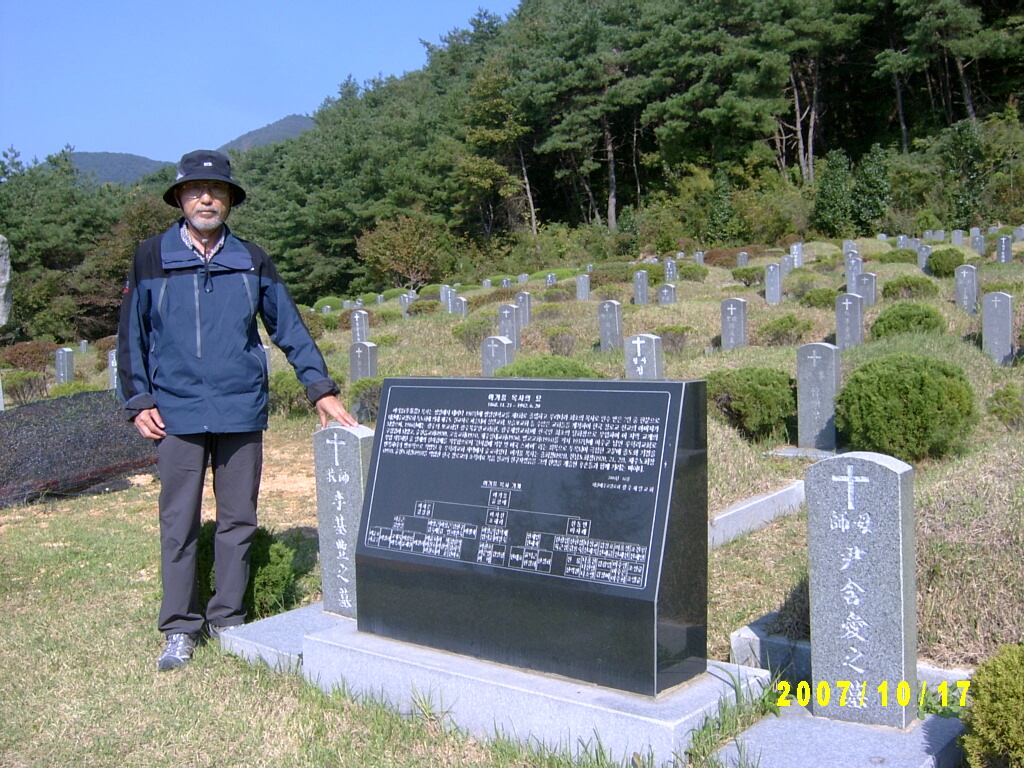
Pastor Lee’s traces were most evident in Gwangju and South Jeolla Province. Pastor Lee served at Yeosu Uhak-ri Church until his death on June 20, 1942. He was tortured for refusing to worship at Shinto shrines and died from the aftermath. His remains were initially buried in a Jeolla South Nohoe (Presbytery) cemetery but later relocated to Hwasun Church cemetery after a land dispute. Elder Kang prayed at the gravesite: “Loving God, You sent Pastor Lee, Korea’s first ordained minister, to Jeju, where indigenous beliefs prevailed. The 350 churches and 50,000 believers today are fruits of his sacrificial devotion. Guard his soul.”
The Final Leg of the Journey
At Beolgyo Daegwang Church, where Pastor Lee served as the fourth pastor in 1920, Elder Kang confirmed the seal Pastor Lee used. He also visited Yeosu Police Station. Though the building had been rebuilt, the investigative division allowed him to view the old detention center. As at St. Lazarus Village, the world responded kindly to his intentions.
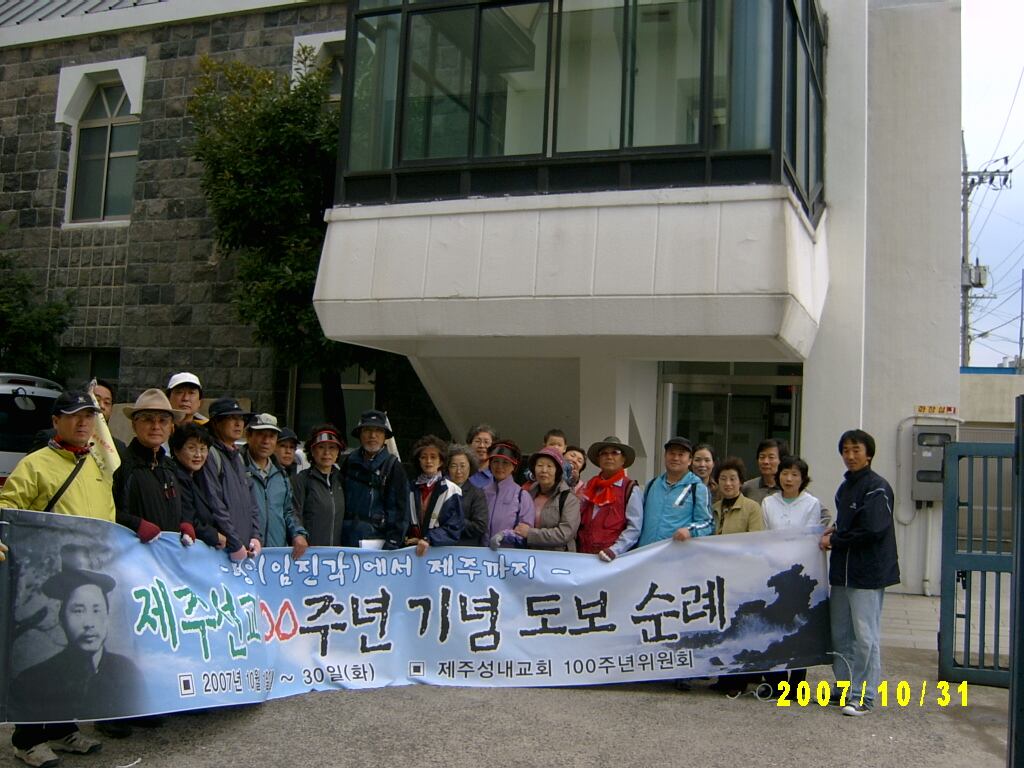
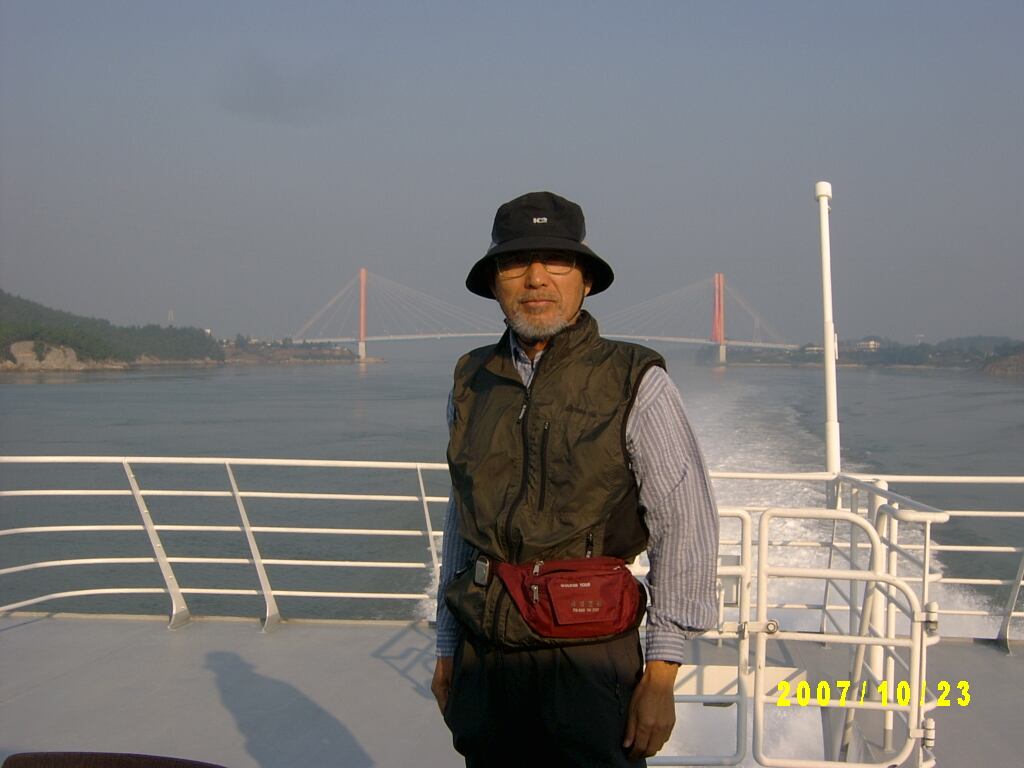
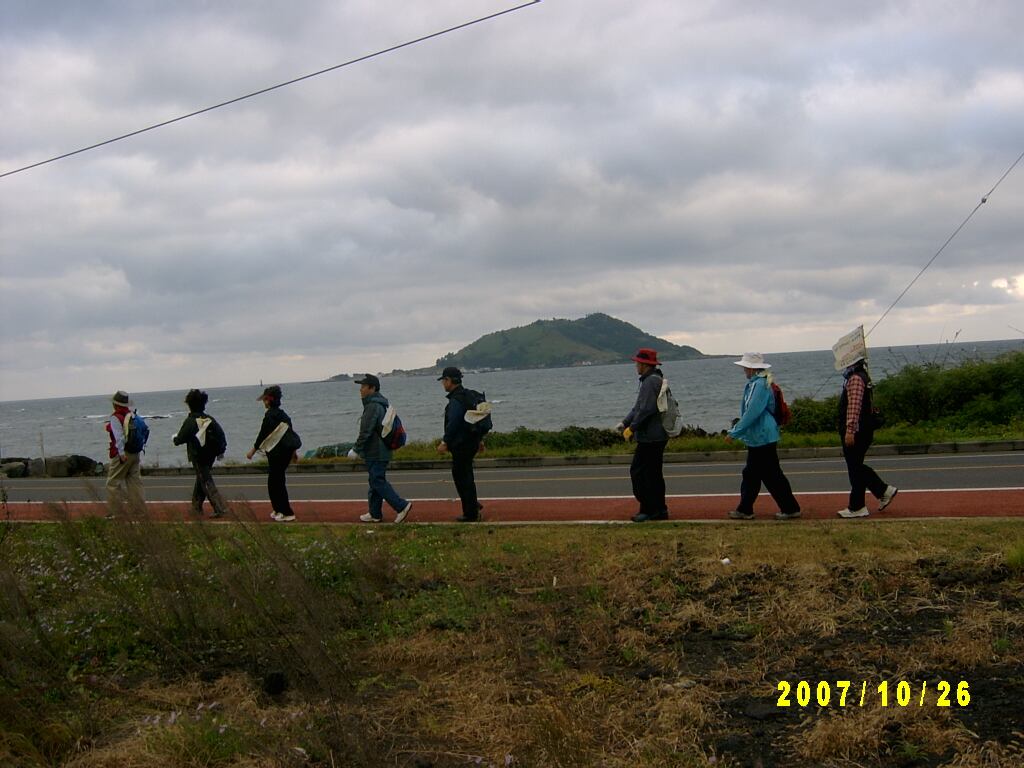
On October 24, he arrived in Jeju via Chujado, where Pastor Lee had stayed for a month. Instead of returning home, he stayed at the church’s education center and continued a six-day pilgrimage around Jeju. Seven congregants joined him, walking 30 kilometers daily along the old coastal road. They visited sites of Jeju’s Christian history and returned to Jeju Seongnae Church on October 31 for a closing worship service. Elder Kang wrote, “My pilgrimage has ended, but the seeds of the Gospel sown by Pastor Lee will continue to sprout, expanding Jeju’s missionary horizons.”
Legacy and Inspiration
Eighteen years after the pilgrimage and eight since the book’s publication, its quiet inspiration remains. Pastor Kang Yeon-hong of Jeju Seongnae Church wrote in a congratulatory message, “Elder Kang’s 800-kilometer ‘prayer on the road’ was a journey with the Lord. Through it, he showed us Pastor Lee’s unwavering zeal for souls and his own reflections on home and family.”
Remembering the Past
In the animation Coco, the dead face a “second death” when no one remembers them. Pastor Lee, who came to Jeju with no connections and founded the first church amid threats, would surely be joyful knowing he is remembered by descendants.