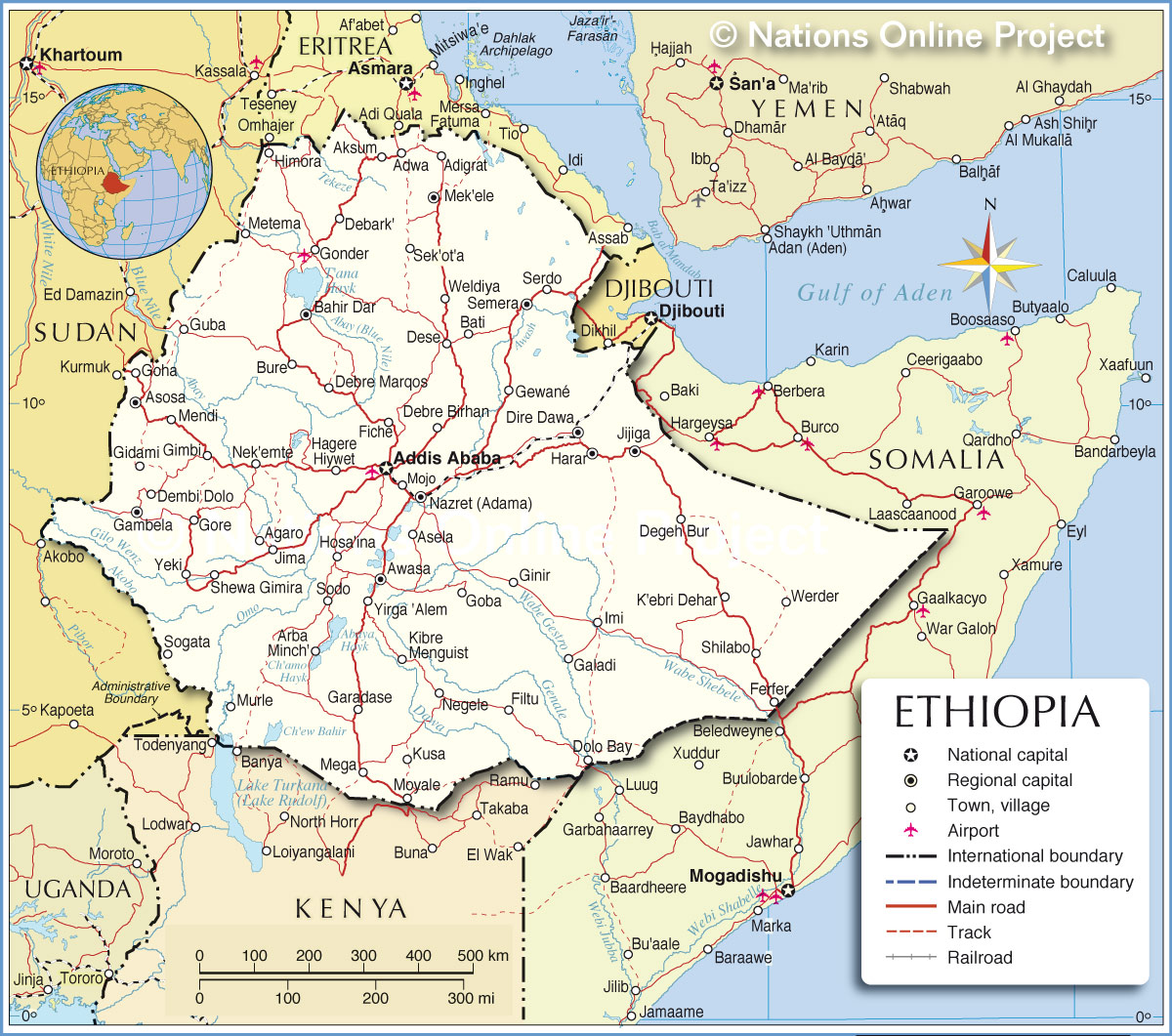
Ethiopia’s Quest for Red Sea Access: A Matter of Survival and Cooperation
Ethiopia, Africa’s second most populous nation and a rapidly growing economy, is driven by a critical need to regain access to the Red Sea. This pursuit is not just a political statement but a fundamental necessity for the country’s survival, economic development, and regional stability. The quest for maritime access has deep historical, legal, and geopolitical roots, making it an essential goal for Ethiopia.
A National Aspiration for Survival
According to Prime Minister Abiy Ahmed, “A population of over 120 million people cannot remain landlocked.” This statement highlights the urgency of securing access to the Red Sea. Ethiopia lost Assab Port without legal justification, leaving the country landlocked since Eritrea’s secession. This loss was both illegal and unjust, as it occurred without the consent of the Ethiopian people or official government approval.
For centuries, Ethiopia had direct access to the Red Sea through ports like Massawa and Assab, which were vital for global trade. Losing Assab deprived the country of its first-ever direct access to the sea, creating significant economic challenges. The Red Sea plays a crucial role in global trade and oil shipments, with several developed nations maintaining military bases along its shores. Given this strategic importance, Ethiopia, located just a few kilometers from the sea, cannot remain landlocked.
Legal, Historical, and Economic Implications
The case for regaining Red Sea access is grounded in legal, historical, geographical, and economic factors. Ethiopia’s need for maritime access is not only about trade but also about ensuring sustainable development and regional cooperation. The country emphasizes peaceful negotiation and mutual benefits, aiming to foster trust and collaboration among neighboring states.
Ethiopia has consistently pursued a policy of non-interference, mutual respect, and cooperation. Its development initiatives, such as infrastructure projects including roads, railways, and power connectivity, have had significant regional impact. The nation views its maritime access as a collective opportunity that can uplift not only itself but also the entire Horn of Africa.
Regional Dynamics and Challenges
Despite Ethiopia’s commitment to peace and stability, there are destabilizing forces in the region. Egypt, in particular, has been accused of fostering anti-Ethiopian sentiments and undermining Ethiopia’s efforts to utilize the resources of the Abay River. Eritrea, under President Isaias Afwerki, has also been seen as aligning with Egypt’s interests, rather than those of its own people.
Afwerki himself once acknowledged Egypt’s support for Eritrea was not out of concern for the Eritrean people but as part of a broader strategy to weaken Ethiopia. This alignment has led to efforts to destabilize the region, with Egypt intervening in Sudan and escalating conflicts in the Horn of Africa.
A Call for Understanding and Cooperation
Prime Minister Abiy has reiterated Ethiopia’s commitment to securing Red Sea access through peaceful, legal, and cooperative means. He emphasized that Ethiopia’s development would benefit neighboring countries, reinforcing the importance of regional cooperation. The nation has made tangible achievements in fostering partnerships that promote durable peace and prosperity.
With its growing population and expanding economy, Ethiopia sees the Red Sea as a gateway to future opportunities. The country’s history shows that access to the sea has been essential for its growth, and today, it remains a key factor in its continued development.
Ethiopia’s pursuit of Red Sea access is not just a national aspiration but a call for understanding and cooperation among regional actors. The dividends of this effort could be immense, fostering trust, collaboration, and stability across the Horn of Africa. As the nation continues to advocate for its legitimate rights, it remains committed to peaceful resolution and mutual benefit.

Related posts:

Fiction park: He was the best in class. He still wasn’t good enough

Gagan Thapa takes oath as Congress president, vows to regain public trust

Inside knowledge that has locals gripped by fear after gran’s body found decomposing in cattle dip

New property purchase disclosure rule in Japan sparks fears it may curb foreign investment

Dino-mite treasures: inside Singapore’s Fort Knox storing playthings of ultra-rich