Diplomatic Tensions Between Congo and Rwanda Escalate
The ongoing conflict in the Democratic Republic of Congo (DRC) continues to strain relations between the DRC and its neighbor, Rwanda. The situation has become a focal point of international concern, with both nations exchanging accusations and calls for action. The foreign minister of the DRC has called for international sanctions against Rwanda, while Rwanda’s top diplomat denies any involvement in supporting the M23 rebels in the DRC, accusing the Congolese government of poor governance. The question remains: who is in the right?
Peace Efforts and Persistent Challenges
Peace in the DRC’s northeast region has remained elusive, as leaders from both countries appear to make incremental progress only to face setbacks soon after. Despite efforts at various diplomatic levels to achieve peace in the region, tensions continue to rise.
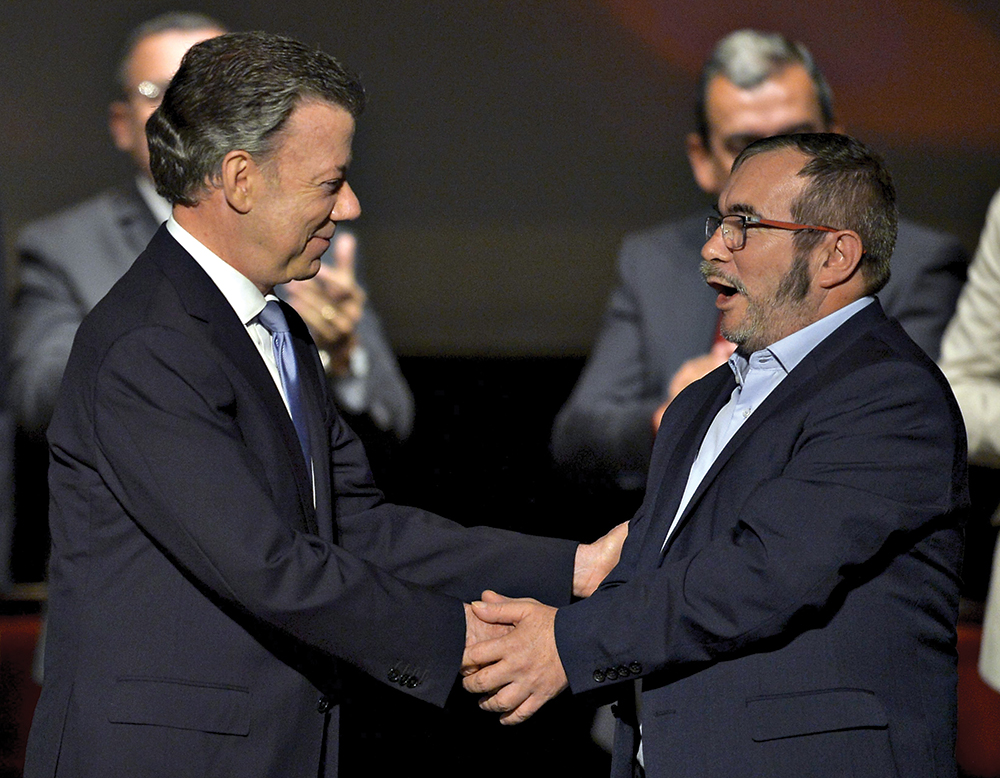
In October 2024, during the Global Gateway Forum in Brussels, DRC President Felix Tshisekedi and Rwandan President Paul Kagame were seen shaking hands and discussing a “peace of the brave.” However, analysts like Timo Roujean of Germany’s Konrad Adenauer Foundation (KAS) believe this was more of a symbolic gesture than a genuine step toward lasting peace.
Roujean points out that many observers saw this as a verbal farce, as it does not align with the current discourse. He emphasizes that “many questions remain about who gets what” in any potential peace deal between the two neighbors, highlighting the uncertainty surrounding the future of the region.
The Washington Peace Plan
A key development in the peace process is an upcoming meeting in Washington, where U.S. President Donald Trump will facilitate discussions between the two leaders. This meeting could lead to the most binding peace agreement between the DRC and Rwanda yet.
The path to a lasting truce was laid in June, with foreign ministers from both countries signing a declaration in Washington to stop hostilities. However, the prospect of this high-level meeting taking place remains uncertain due to rising tensions. The M23 movement, backed by Rwanda, continues to control large areas of eastern DRC, including recent captures in North Kivu province.
During a press conference on November 27, Rwandan President Kagame accused the Congolese government of deliberately delaying the signing of the peace agreement, claiming that the DRC had set conditions outside of those agreed upon in Washington. Meanwhile, DRC President Tshisekedi has agreed to travel to Washington on December 4 to sign the agreement, though Kagame expressed skepticism about whether the meeting will take place.
Calls for Sanctions Against Rwanda
The issue of peace in the DRC was also discussed at the AU-EU summit in Angola, where both blocs reaffirmed their support for a just, comprehensive, and lasting peace in the region. On the sidelines of the summit, the foreign ministers of both countries exchanged sharp criticisms of each other’s actions.
Congolese Foreign Minister Therese Kayikwamba expressed frustration with the current state of affairs, calling for the international community to exert more pressure on Rwanda. She claimed that “we know who the M23 depends on,” referring to the Rwandan government, a claim supported by independent observers. Kayikwamba urged more pressure, sanctions, or accountability to change the situation quickly.
However, Rwanda has consistently denied allegations of supporting the M23 rebels. The closest Rwanda has come to acknowledging these claims was not responding to them during previous peace talks.
DRC’s Frustrations with the EU
Kayikwamba highlighted the DRC’s frustrations with the lack of support from the EU, noting that the EU often struggles to find consensus among its 27 member states on sanctions. She rejected this argument, stating that there are no different interpretations when it comes to human lives and territorial integrity.
She accused the EU of applying double standards, suggesting that a mother in Buhimba seems to count for less than others. Analyst Roujean further argues that the EU may be making a pact with the enemy by prioritizing economic interests over humanitarian concerns.
Raw Materials and Geopolitical Tensions
Roujean suggests that an EU import ban on unclassified minerals from Rwanda could be a solution to force Kagame’s hand. He claims that these critical minerals are actually stolen goods from the DRC. Given Rwanda’s reliance on foreign aid from Europe, it is unlikely to have much bargaining power.
The EU Commission signed a memorandum of understanding with Rwanda in February 2024, aiming to work closely on mineral issues. However, the conflict in the DRC was already at its peak at the time.
Rwanda’s Position and International Perception
Rwandan Foreign Minister Olivier Nduhungirehe rejects the accusations against his country and the calls for sanctions. He criticizes the DRC for focusing on sanctions rather than solving its own problems, such as governance issues and supporting genocidal movements like the FDLR.
Nduhungirehe highlights Rwanda’s role as a key EU partner in Africa, citing an agreement in October where the EU will support vaccine production in Rwanda with 95 million euros. He also accuses the DRC of violating a ceasefire with the M23 rebels, pointing to attacks by the Congolese army using drones and fighter jets.
Goma Airport Closure and Blame Game
The closure of Goma airport has become another point of contention. Kayikwamba blames Rwanda for the airport’s continued closure, arguing that it is a key issue for humanitarian access. However, Nduhungirehe rejects this accusation, stating that the airport is under the control of the M23 rebels, and that reopening it without their involvement is impractical.
Roujean believes that the blame game between the two sides is a diversion tactic. He notes that the M23 wants banks in border towns to reopen, and that the Congolese central bank has ordered them to shut down to limit cash flows to the rebel group. If Kinshasa allows the banks to operate again, the issue of Goma airport might be resolved more quickly.
A Message of Hope
Despite the tensions, Rwandan President Kagame offered a message of hope, remaining undecided on his participation in the upcoming peace talks in Washington. He told reporters, “We’ll wait and see, and continue to hope.”
As the situation continues to evolve, the international community watches closely, hoping for a resolution that brings peace to the region.

Related posts:
Fiction park: He was the best in class. He still wasn’t good enough
Gagan Thapa takes oath as Congress president, vows to regain public trust

Inside knowledge that has locals gripped by fear after gran’s body found decomposing in cattle dip

New property purchase disclosure rule in Japan sparks fears it may curb foreign investment

Dino-mite treasures: inside Singapore’s Fort Knox storing playthings of ultra-rich