Cheese, spices, and supplements have been recalled this week due to concerns about bacterial contamination, toxic metals, and choking hazards. The U.S. Food and Drug Administration (FDA) announced eight recalls this week, all of which are currently in effect and eligible for returns and refunds. One of these recalls comes just days before Halloween and involves a popular candy that could be given out to trick-or-treaters.
In one case, bladder control pills were pulled from shelves because they may have been contaminated with bacteria that can cause bloody diarrhea and severe kidney injuries. Cheeses and spices were also found to contain deadly bacteria that affects millions of Americans each year. Another recall involved a cheap spice found to have elevated levels of heavy metals linked to developmental issues, autism, and cancer. Additionally, quick meals sold nationwide were found to have potential choking hazards that could slice throats and cause digestive blockages.
The FDA has urged Americans to check their fridges and pantries for any affected products and to immediately discard them or return them to the store for a refund. Below is a detailed look at this week’s urgent U.S. recalls.
Bacteria
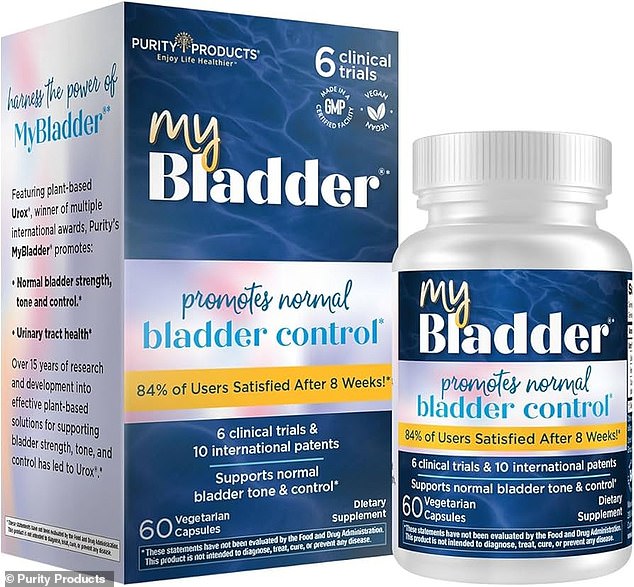
New York-based Purity Products announced this week it was recalling one lot of its MyBladder supplements because they were potentially contaminated with E. coli, a type of bacteria that can cause bloody diarrhea, stomach cramps, and vomiting. The supplements were distributed throughout the U.S. through direct delivery to consumers and through Walmart and Amazon websites. The affected lot number is 03042517.
Routine FDA testing detected two strains of E. coli: O7:K1, which has been shown to cause urinary tract infections and meningitis in newborns, and 1303. An agency investigation revealed the issue was caused by a temporary change in suppliers. No illnesses have been reported.
E. coli typically comes from undercooked meat, unpasteurized dairy, and raw produce like apples, cucumbers, and sprouts. Roughly 75,000–90,000 Americans are exposed to E. coli each year, and about 100 die annually.
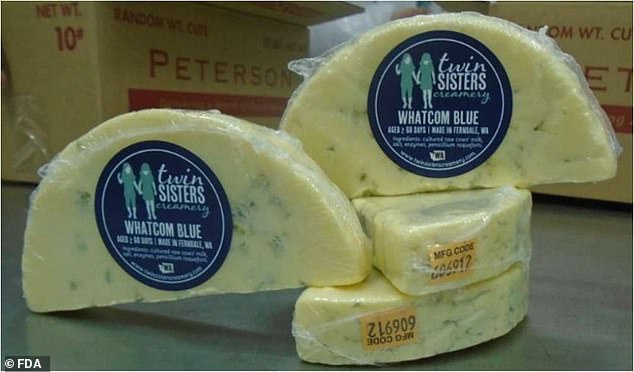
Twin Sisters Creamery of Washington state also recalled several of its products this week due to E. coli after third-party testing confirmed the presence. Recalled products include Whatcom Blue, Farmhouse, Peppercorn, and Mustard Seed cheese products, which were made from raw and unpasteurized milk, a common source of E. coli.
The 2.5-pound round cheese wheels were shipped to distributors in Oregon and Washington between July 27, 2025, and October 22. There have been three reports of Shiga toxin-producing E. coli (STEC) caused by E. coli strain 0103 in Oregon and Washington to date. The Oregon case consumed the cheese prior to their illness.
Peterson Company of Auburn, Washington, who repackaged several of the products and distributed them to caterers, distributors, and restaurants in Colorado, Idaho, Oregon, and Washington, also announced the recall.
Additionally, the FDA announced California-based Pacific International Marketing is recalling 474 cases of bulk Italian Parsley due to potential contamination with salmonella, a potentially deadly bacteria that sickens 1.3 million Americans every year. The recalled spice was shipped to wholesalers in Arizona, California, Florida, Minnesota, Michigan, Georgia, Ohio, and Nevada between September 22 and September 25, 2025, in cases of 24, 30, or 60 bunches.
The recall was initiated after routine testing came back positive for salmonella, which causes bloody diarrhea, fever, and stomach cramps that begin six hours to six days after initial infection. Most people recover within days, though the illness is responsible for more than 26,000 hospitalizations and 400 deaths a year. No illnesses have been reported.
Undeclared Allergens
Hampton Farms of Massachusetts announced its voluntary recall of Mixed Nuts Roasted Unsalted 8 oz and Mixed Nuts Roasted and Salted 8 oz due to the presence of undeclared hazelnuts. The products had best-by dates of August 18, 2026, and August 26, 2026, respectively.
Though hazelnuts are listed in the ingredients, they are not included in the allergen warning statements. This issue was discovered on September 15 after a routine paperwork review showed the label failed to include hazelnuts in the allergen warning statement. The nuts were distributed between September 2 and September 9 this year in clear plastic tubs and sold at Stop&Shop stores in Massachusetts, Connecticut, New Jersey, New York, and Rhode Island.
Hazelnuts fall under the category of tree nuts. Other tree nuts include Brazil nuts, cashews, almonds, Japanese walnuts, pecans, pistachios, and walnuts, including black, California, English, and Persian walnuts. An estimated 3.9 million Americans are allergic to tree nuts, which may cause a life-threatening allergic reaction called anaphylaxis, which causes blood pressure to plummet and vital organs to become starved of oxygen-rich blood. No illnesses have been reported.
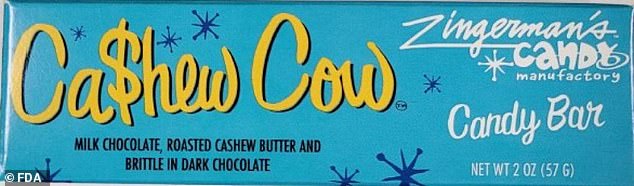
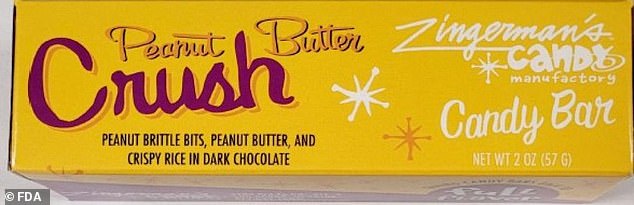
Zingerman’s Candy Manufactory of Michigan also issued a recall due to nuts. The company recalled its Zingerman’s Peanut Butter Crush Full Size Bars due to undeclared cashews and Zingerman’s Ca$hew Cow Full Size Bars because of undeclared peanuts. The affected nuts were distributed to retailers in Michigan and New York. No illnesses have been reported.
About 6 million Americans are allergic to peanuts, making it one of the most common allergies.
Also this week, Teasdale Foods, Inc. of Texas recalled two varieties of its Taco Dinner Kits due to the potential presence of undeclared milk. Recalled products include Martin’s and Giant Crunchy Taco Dinner Kit and Casa Mamita Soft Taco Dinner Kit. The recall was initiated after the company received customer complaints that the products contained cocoa mix packets that contained milk instead of taco seasoning packets. The packaging did not reveal the presence of milk.
An investigation found the third party that provides seasoning mislabeled the taco seasoning packets. The hidden ingredient poses a serious threat to 30 to 50 million Americans with lactose intolerance and the 7 million with dairy allergies. No illnesses from the current recall have been reported.
Toxins
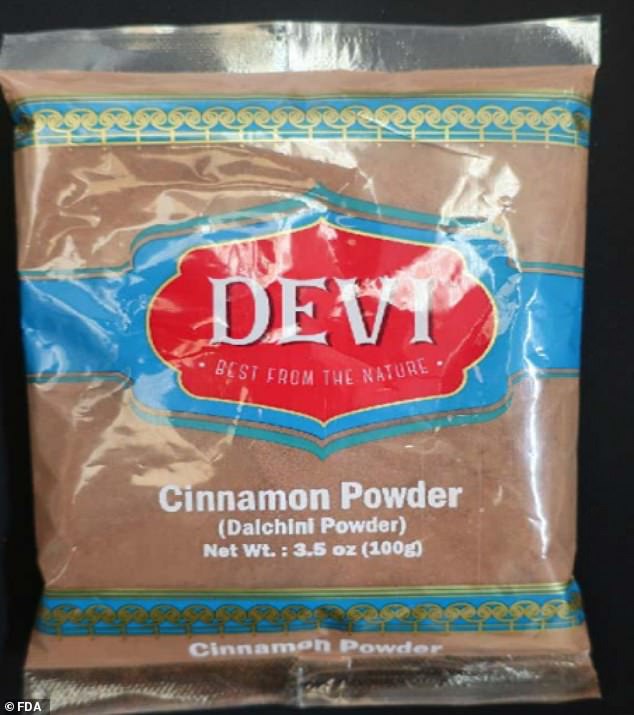
Devi brand Cinnamon Powder (Dalchini Powder) was recalled this week over potential contamination with lead, a heavy metal linked to reproductive issues, cancer, and autism. The affected 100-gram packages were distributed by Homeneeds Inc. of Bellevue, Washington, and sold at Apna Bazar in Washington from May 15, 2025, to October 21, 2025.
The recall was initiated after the FDA collected product samples and found elevated levels of lead. The agency said its investigation is ongoing. No illnesses have been reported, but the FDA warned even small amounts of lead could lead to abdominal pain, vomiting, nausea, and fatigue. And as lead accumulates in the blood and vital organs through prolonged exposure, it can cause lasting developmental disorders and certain forms of cancer. There is no safe level of lead consumption, according to the FDA and CDC.
Foreign Materials
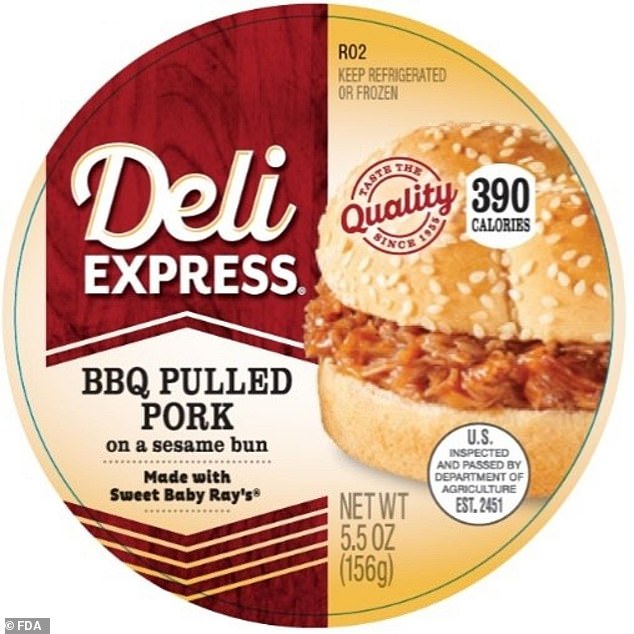
E.A. Sween Company announced this week that it is voluntarily recalling its Deli Express BBQ Pulled Pork sandwiches because they may contain pieces of plastic. The products were shipped throughout the continental U.S., as well as Hawaii and Guam, and sold at convenience, grocery, and mass retail stores between January 16 and October 23, 2025.
It’s unclear how plastic may have gotten in the sandwiches, but these contaminants typically sneak into foods during the manufacturing process, such as if pieces of factory machinery break off or are not properly cleaned. No injuries have been reported.
Plastic contaminants can lead to choking and cuts in the mouth, throat, or digestive tract. Sharp or jagged pieces may even lead to internal bleeding or organs such as the stomach or intestines being impaled. If plastic fragments lead to cuts or perforations in the digestive system, there’s a chance it could cause bacterial infections, especially if the metal carries contaminants or if food residue leads to bacterial growth in the wound. Swallowing small plastic pieces may also cause abdominal pain, nausea, vomiting, or blockages in the digestive tract, potentially requiring urgent medical care.

Related posts:

Mother Suffers Daily Allergic Attacks After Drinking Contaminated Coffee Syrup


Challenges of Climate Change in Africa and Lessons from China’s Green Revolution

Senate joint committee finally holds hearing on Ivanhoe deal

True measure of leadership lies not in power, privilege, pageantry – Tinubu at book presentation