
Global Climate Negotiations at a Crossroads
As climate negotiations in Belem, Brazil, reach a critical stage, small island states and major economies are united in their call for a fair phase-out of fossil fuels. The focus is on climate-friendly trade and improved climate finance, which have become central to the discussions.
A Call for Collective Effort
Ministers from around the world gathered at the UN climate conference, emphasizing the need for a rapid and equitable transition away from oil, coal, and gas. Tina Stege, the Marshall Islands’ climate envoy, highlighted the importance of “Mutirao,” a Portuguese term meaning collective effort, in shaping a roadmap for this transition. Colombia is leading the charge with over 80 countries supporting the inclusion of such a roadmap in the final COP agreement.
The push for a fossil fuel phase-out was first introduced at COP28 in Dubai, but with greenhouse gas emissions at record highs and global warming accelerating, there are concerns about the urgency of these talks. This year’s summit, dubbed the “COP of implementation,” aims to turn past promises into concrete actions.
Emissions Reductions: A Looming Challenge
One of the key issues at COP30 has been the emissions-reduction targets that nations were required to submit this year as part of the Paris Agreement commitments. An analysis of the submitted pledges reveals that even if all countries meet their goals, the world is still on track to exceed the 1.5-degree Celsius limit. Current policies could lead to catastrophic warming of 2.6 to 2.8 degrees Celsius by 2100.
Inside the talks, pressure is mounting for a clearer plan to phase out fossil fuels. The COP30 Presidency has circulated a draft text that includes potential outcomes, such as annual checks on progress or a joint roadmap to accelerate the shift away from fossil fuels.

Gustavo Pinheiro from the climate think tank E3G praised the draft as the most cohesive first-draft package in recent years. However, Tina Stege from the Marshall Islands criticized the current reference to a fossil fuel roadmap as “weak and presented as an option.”
Jan Kowalzig from Oxfam Germany pointed out that the current draft only postpones the problem, highlighting the ambition gap between needed emissions cuts and pledged reductions.
Climate Finance: A Moral Obligation
Another flashpoint in the negotiations is the need for greater financing for poorer nations. Developing countries require significant funds to adapt to increasing weather extremes caused by climate change. According to a report by the UN Environment Programme, developing nations will need about $310 billion per year by 2035 to adapt.
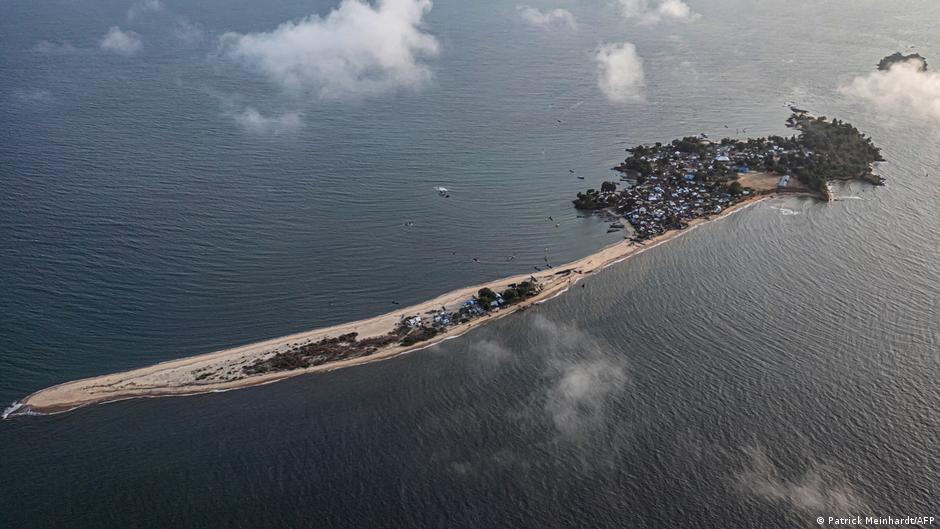
Ralph Regenvanu, Vanuatu’s representative, stated that climate finance systems are failing small island states. He emphasized that climate finance is not charity but a legal and moral obligation. The COP Presidency’s draft proposes a three-year plan setting clearer expectations for developed countries’ contributions and tripling the adaptation finance goal to $40 billion annually.
Germany has pledged €60 million to the adaptation fund. Rob Moore from E3G urged governments to act quickly to secure the legacy of Brazil’s vision for bridging the investment gap.
Balancing Trade and Climate Action
Some governments are concerned that new climate policies, such as carbon border fees or stricter green standards, could act as hidden trade barriers. For instance, the European Union’s Carbon Border Adjustment Mechanism (CBAM) could make products from developing countries more expensive and less competitive in the EU market.
China and India are advocating against unilateral trade barriers like CBAM. However, EU climate chief Wopke Hoekstra stated the bloc would not be “lured into a phony conversation about trade measures.” The COP Presidency’s draft suggests options such as a yearly UN meeting on climate-related trade rules or creating a new platform to examine their impacts.
The United States, the world’s second-largest greenhouse gas polluter, did not attend this year’s summit, which is expected to close after two weeks.


