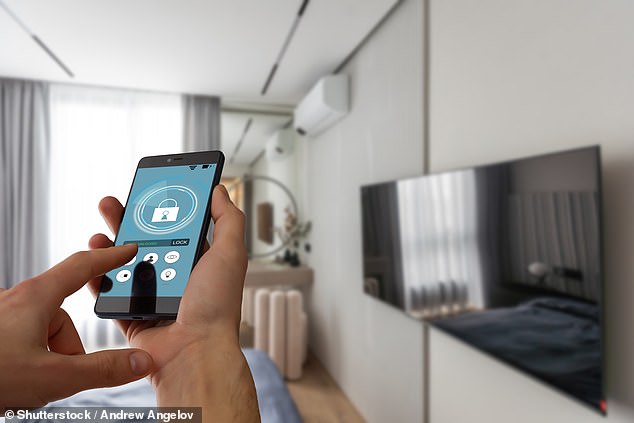
The Rise of the ‘Dumb Home’ Trend
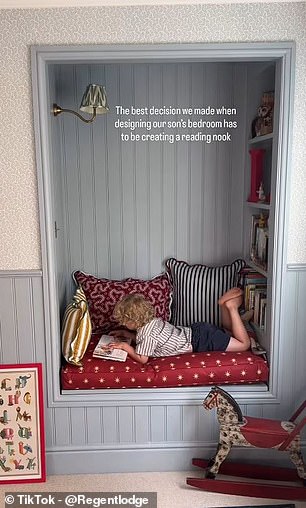
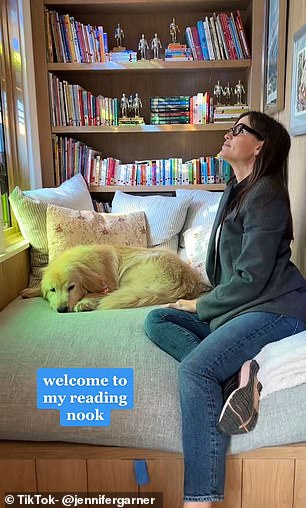
From voice-activated light switches to smart automatic beds, there are now hundreds of ways to automate your home. However, in the age of the smart home, many people are now pushing back against this trend. For TikTok influencers and high-end designers, the ‘dumb home’ is the latest movement. This means embracing traditional elements such as landline phones, reading nooks, and custom light switches instead of relying on smart assistants and appliances.
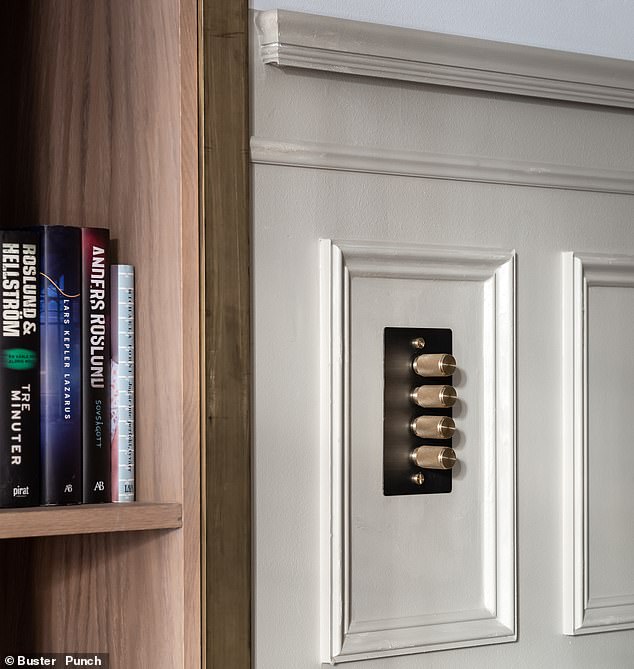
Even simple touches that were once taken for granted are now considered a sign of luxury. According to Massimo Buster Minale, founder and creative director of Buster & Punch, today’s discerning homeowners are much more interested in ‘tactile elements’. Mr Minale told Daily Mail: “After years of tech-driven homes, people are definitely returning to a love of analogue features. We are seeing more than ever, our customers are moving away from chasing convenience, instead craving physical touch and connection.”
For tech enthusiasts, the allure of the smart home was the chance to make domestic life completely frictionless. By spending thousands of pounds, homeowners could have lights that turned on automatically with the morning alarm, blinds that opened themselves, and fridges that write your shopping list. However, the reality of the smart home dream is often far less convenient.
On social media, former home automation fans complain about being woken up by out-of-control lights, security systems crashing or shutting off, and spiralling costs of hundreds of devices that constantly break or need replacing. In one post on Reddit, a smart home fan announced that they would be ditching their eight-year-long automation project because “my family of 4 (including me), never uses 90 per cent of the tech”.
Things are even worse for people who move into existing smart homes and are forced to grapple with the former owners’ complicated automation routines. But it isn’t just former tech junkies who are getting ready to ditch their cumbersome gadgets. Today, more and more people are looking for a ‘dumb home’ rather than a smart one.
What is a ‘Dumb Home’
‘Dumb homes’ are houses where the owners have tried to remove as much technology as possible. The trend is a reaction to the idea of a smart home. Smart homes use the so-called ‘internet of things’ to connect devices and appliances into a network that users can control and automate. By contrast, dumb homes favour analogue devices such as manual dimmer switches, and landline phones.
Dumb homes also include electronic-free spaces such as reading nooks. Fans of the trend say this helps them appreciate their time at home, disconnect from social media, and enjoy more quality time with their family. Mr Minale says: “We are seeing more than ever, our customers are moving away from chasing convenience, instead craving physical touch and connection – but not Wi-Fi!”
According to design media brand Dwell, the decline of the smart home was one of the trends of the year for 2025 and beyond. Homeowners are increasingly looking to create electronics-free spaces in their homes, rather than filling the house with more tech. According to Zillow’s 2026 Home Trends Report, reading nooks are now being mentioned 48 per cent more often in home listings than a year ago.
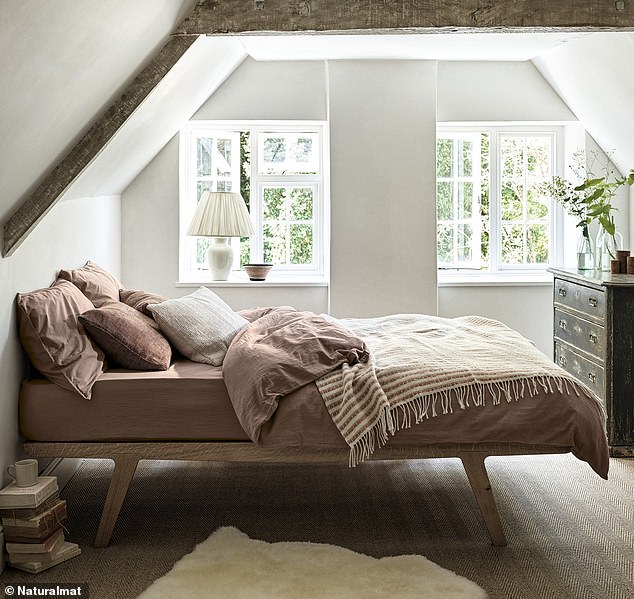
This is especially true in the bedroom, where an emphasis on sleep health and digital detoxes is replacing the craving for automated alarms and electronic blinds. Mark Tremlett, founder of bedroom design firm Naturalmat, told Daily Mail: “More and more of our customers tell us they’re choosing to keep their bedrooms completely tech-free, no TVs, no voice assistants, and no chargers by the bed. They want a space that feels genuinely peaceful, focused on natural, healthy materials and better sleep quality.”
A Resurgence in Retro Features
Meanwhile, designers are seeing a massive resurgence in demand for retro features. Mr Minale says that the light switch is now ‘back as a design statement’. He adds: “People love the ritual of dimming the lights by hand, the satisfying solidity of the click and instant response. The more time we spend in digital worlds, the more we crave objects that feel real.”
Homeowners are now prepared to splash out thousands of pounds to refit their houses with custom analogue switches. Ultra-high-end UK-based firm Fobes & Lomax creates historically accurate manual switches that cost upwards of £800 each. But besides smart lights, some people are now looking to ditch their smartphones as social media influencers rave about getting landlines or ‘kitchen phones’.
These vintage-style devices connect via Bluetooth to the user’s mobile so that they don’t need a landline connection or separate phone bill. In stark contrast to the app-controlled tech of a smart home, fans say a landline is perfect for when you need to be reachable but want to put your phone away and enjoy time at home.
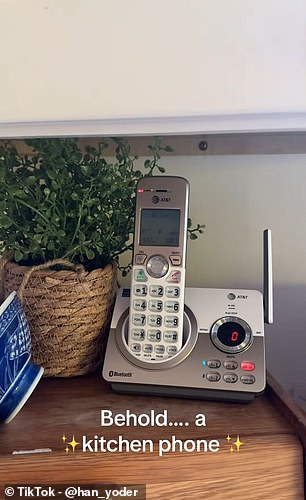
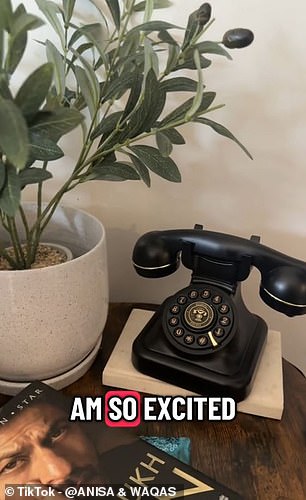
In one viral video with over 450,000 views, TikToker user Hannah Yoder showed off her new landline phone. Ms Yoder wrote: “I remember when I was little and I would get so excited to pick up the home phone at my grandma’s when allowed or call someone. This will help to put away the screen and not be readily available 24/7 which means more intentional time with family.”
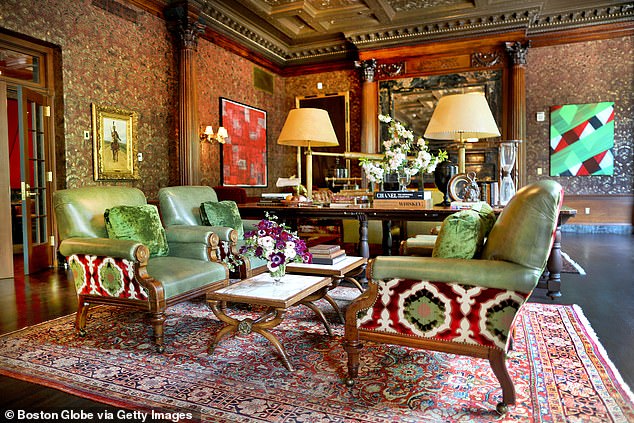
But Ms Yoder isn’t alone in her quest to make the home a smartphone-free zone. When interior designer Ken Fulk was tasked with redesigning the six-story Algonquin Club in Boston, building a ‘dumb home’ was at the forefront of his mind. Mr Fulk decided to install retro phone booths in the legendary clubhouse to offer privacy for phone calls and to give people a reason to leave the smartphone behind.
“I think there are a couple of different reasons why the pendulum is swinging toward an analogue experience at home,” Mr Fulk told Daily Mail. “We are so inundated with information and perhaps tired of feeling tethered to our devices that, when we come home, we want to be able to disconnect. I often repeat the mantra that ‘time is the greatest luxury’, and while so much modern-day tech was designed to save us time, we all have to remind ourselves to make the most of that time saved.”


