The Controversial Interview and Its Aftermath
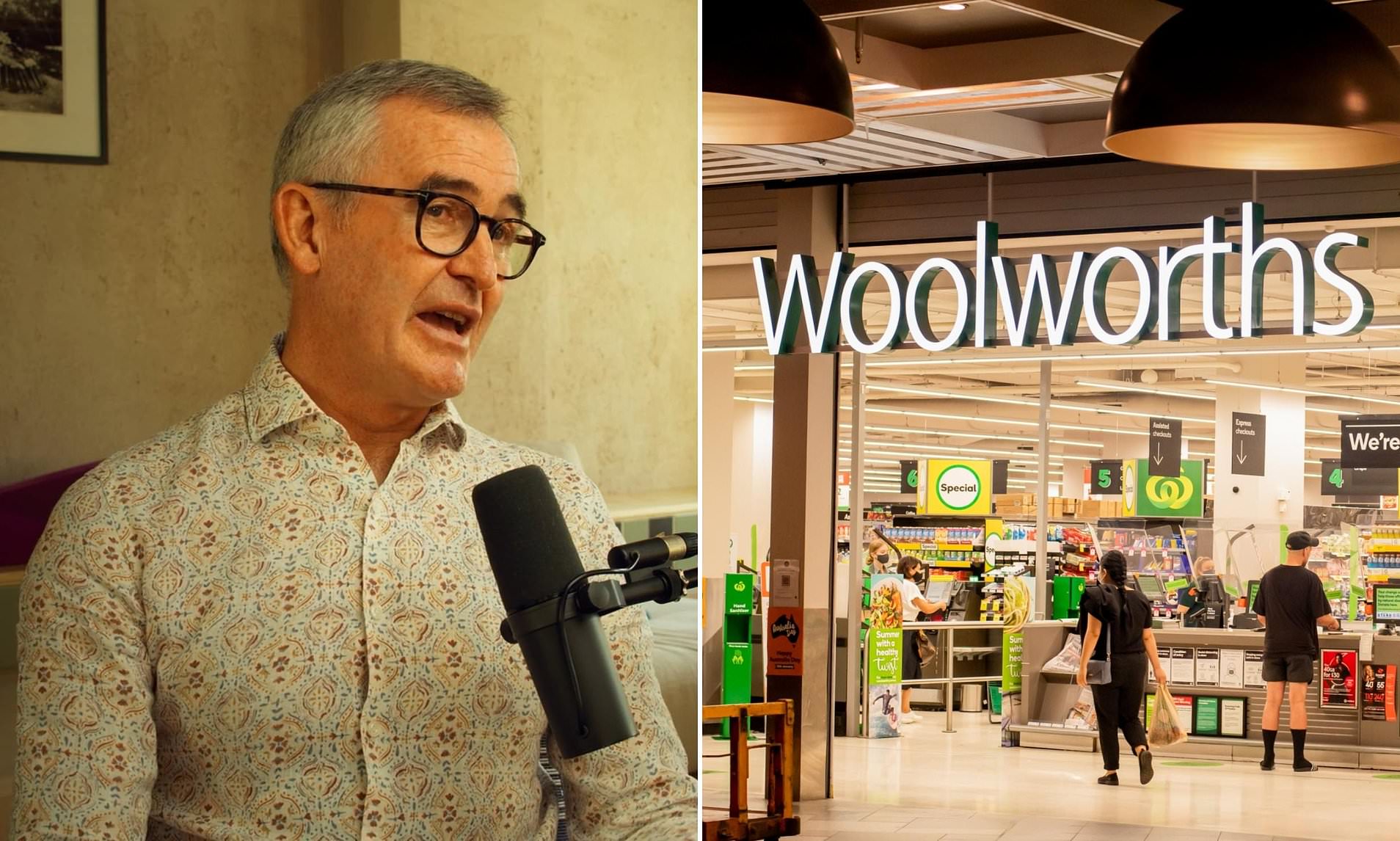
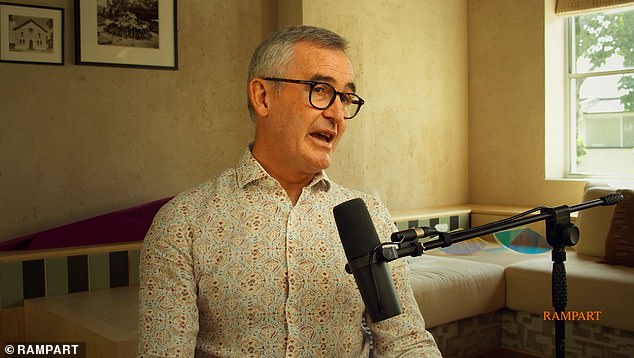
Former Woolworths boss Brad Banducci has shared insights into the challenging period following his controversial Four Corners interview, which led to nationwide outrage over supermarket price hikes during the pandemic. In his first interview since stepping down as Woolworths CEO in September 2024, Mr Banducci spoke with Joe Aston on the Rampart podcast, reflecting on the incident that became a defining moment in the debate over supermarket pricing.
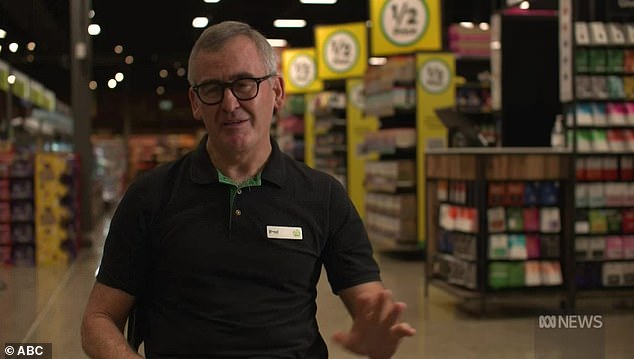
The now-infamous segment, where Mr Banducci appeared dressed as a store assistant, sparked intense media coverage and public discussion. Reporter Angus Grigg questioned Mr Banducci about Rod Sims, former head of the Australian Competition and Consumer Commission, who had described Australia as having one of the most concentrated supermarket industries in the world. Mr Banducci responded by denying the claim, arguing that the industry was actually “an incredibly competitive market.” He also pointed out that Mr Sims was retired at the time.
When asked if he was impugning Mr Sims’ integrity, Mr Banducci requested to remove the question. However, Grigg insisted on keeping it on record. Moments later, Mr Banducci said, “I think I’m done guys,” and walked out of the room. Despite this, the ABC aired the original footage, cementing its place as a significant flashpoint in the debate over supermarket price gouging.
A Difficult Period for the Former CEO
Following the program’s airing, Mr Banducci announced his departure from Woolworths. He expressed concerns about the ABC’s adherence to its editorial code, stating that he would question whether Four Corners lived up to the standards set by the ABC. “I was told we could stop. Whatever, it doesn’t matter. I own it. It’s not my finest hour,” he admitted.
Mr Banducci reflected on the timing of the interview, acknowledging that he should have represented Woolworths better. “I shouldn’t have done it at seven o’clock in the morning in Parramatta on the Friday before the Australia Day long weekend. I was really tired,” he said.
He clarified that he technically did not walk out. “I was allowed to stop it, and I stopped it to speak to our team,” he added, mentioning that he later called Sims to apologize.
Social Life Under Scrutiny
Mr Banducci’s final year at the helm of Woolworths was marked by controversy, with public backlash significantly affecting his personal life. “I didn’t go out for a year,” he revealed. “I never went to a party because I felt if I went to one party, I would (then also) need to go to someone else’s.”
His wife took on the responsibility of representing him at functions, while Mr Banducci found solace in walking with the dog. “I avoided social situations so I didn’t get sucked into emotional conversations,” he explained. “I just thought I’ve got to be calm and unemotional and not get drawn in.”
Navigating Public Backlash
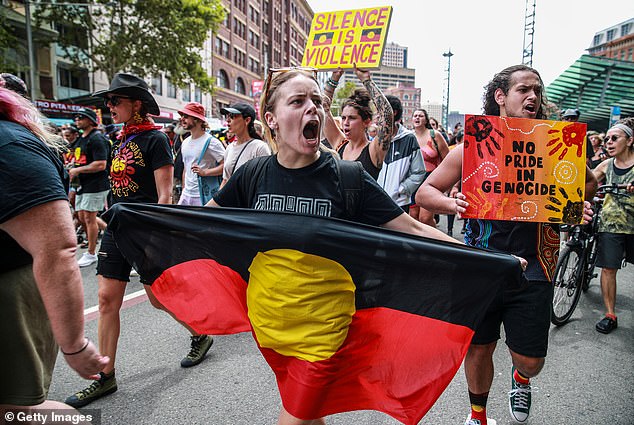
The embattled boss also discussed the public backlash over Woolworths’ decision to remove Australia Day merchandise from all its stores and its support for the Voice to Parliament. The move triggered widespread fury, with Opposition Leader Peter Dutton calling for a boycott of the supermarket chain.
Some shoppers demanded Mr Banducci’s resignation, while Woolworths staff faced abuse from customers, and some stores were vandalized. Reflecting on the situation, Mr Banducci admitted that, in hindsight, he would have taken a different approach.
He was in Dallas Airport, changing flights when he received a call from Dutton, who labeled the merchandise decision an “outrage” and claimed the “vast majority of Australians” would agree with him. “You could easily have assumed…that somehow we were being un-Australian,” Mr Banducci said.
Moving Forward
Despite the challenges, Mr Banducci is now the CEO of ticketing giant TEG. His journey through the controversies highlights the complexities of leadership in the public eye. While the past has been difficult, his experiences have shaped his current role and perspective.
As the story continues to unfold, the lessons learned from these events remain relevant for leaders navigating public scrutiny and corporate responsibility.


