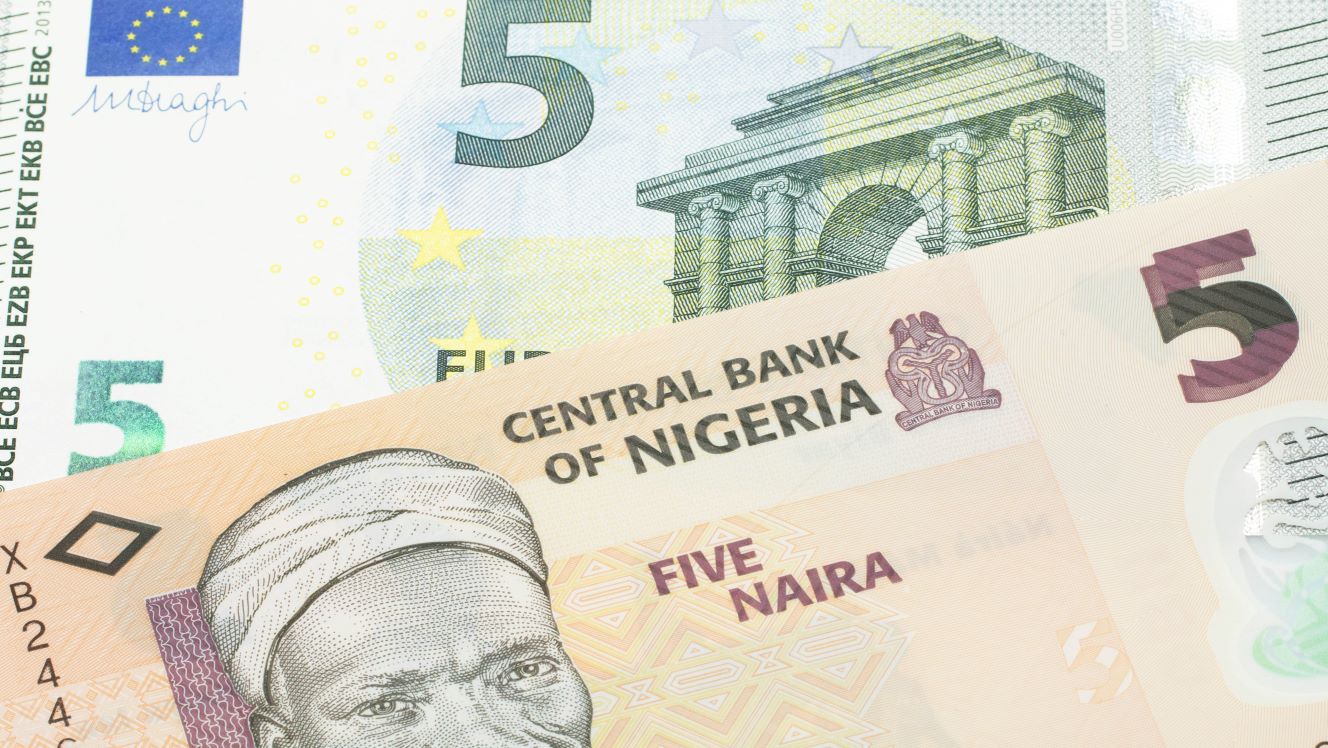
Nigeria’s Return to Global Capital Markets
Nigeria has made a significant return to international capital markets by successfully raising $2.25 billion through a dual-tranche Eurobond issuance last week. This achievement marks a major milestone for the country, showcasing renewed investor confidence and the effectiveness of recent fiscal and monetary policy reforms.
The 10-year and 20-year bonds were oversubscribed and priced at 8.625% and 9.125%, respectively—tighter than initial guidance. The strong demand for these bonds reflects growing trust in Nigeria’s economic management and its commitment to long-term stability. The oversubscription also highlights the positive impact of the Central Bank of Nigeria (CBN)’s foreign exchange (FX) reforms, improved fiscal transparency, and enhanced market confidence.
Investors across the globe are increasingly showing interest in Nigerian assets as the effects of the CBN’s financial sector reforms begin to spread throughout the economy. This trend is not only evident in the successful Eurobond issuance but also in the broader participation of both local and international investors in the country’s financial markets.
A Record-Breaking Eurobond Issuance
The Eurobonds, maturing in 2036 and 2046, represent the largest-ever order-book for Nigeria, underscoring the strength of investor confidence in the country’s macroeconomic policies and fiscal management. The 10-year, $1.25 billion bond was priced at a coupon of 8.6308%, while the 20-year, $1.10 billion note carried a coupon of 9.1297%.
The transaction attracted orders exceeding $13 billion, reflecting broad-based demand from investors across multiple jurisdictions, including the United Kingdom, North America, Europe, Asia, and the Middle East. The Debt Management Office (DMO) highlighted that Nigerian investors also participated in the offer, signaling domestic endorsement of the government’s reform agenda.
Before this issuance, Nigeria’s investment image had already begun to improve, prompting positive feedback from global analysts. Emre Akcakmak, portfolio manager at East Capital, noted that “Nigeria appears to be back in business as long-awaited economic reforms take shape.” Key measures include improved currency liquidity, leeway for investors to repatriate profits, and a stable naira.
Samir Gadio, head of Africa strategy at Standard Chartered Plc, added that portfolio inflows have been supported by improved confidence amid key structural reforms, better FX market functioning, and moderating dollar-naira volatility. He also pointed out that Nigeria’s local market is seen as less correlated with global risk conditions than more liquid emerging market (EM) peers.
The Economic Reforms That Began the Shift
The CBN embarked on a series of bold reforms to attract more foreign capital and achieve price and exchange rate stability. In 2023, the new administration and the CBN, led by Governor Olayemi Cardoso, liberalized the foreign exchange market, stopped central bank financing of the fiscal deficit, and reformed fuel subsidies. The government also strengthened revenue collection and took strategic steps to reduce inflation.
Since these reforms were implemented, international reserves have increased, and people can now access foreign exchange in the official market. Nigeria returned to international capital markets in December 2024 and was recently upgraded by rating agencies. A new domestic, private refinery is positioning Nigeria up the value chain in a fully deregulated market.
The unification of exchange rates and the clearing of over $7 billion FX backlog raised the country’s investment outlook. Multilateral organizations, like the World Bank, have described these interventions as bold steps to improve the economy’s sustainability in the long run.
Market Reactions and Future Outlook
Following the successful Eurobond issuance, the naira appreciated as Nigeria’s external reserves climbed to a seven-year high of $46.07 billion. This level of reserves is a strong indicator of the country’s improving economic fundamentals.
Dr. Ifeanyi Uba, head of Investment Research at Comercio Partners Limited, explained that investor appetite for Nigerian debt has been buoyed by ongoing economic reforms, including fuel subsidy removal and naira devaluation. While these measures may have been economically painful, they have improved fiscal transparency and market confidence.
Analysts at Comercio Partners noted that while the inflows will bolster reserves and strengthen Nigeria’s capacity to meet short-term obligations, they also increase exposure to foreign exchange risk and heighten interest burdens in hard currency.
Adebowale Funmi, head of Research at Parthian Securities, said the Eurobond oversubscription by over 400% reflects strong investor confidence in Nigeria’s economic outlook. This renewed optimism is largely driven by ongoing reforms and Nigeria’s recent removal from the FATF grey list, which has improved the country’s credibility and perception in global markets.
Understanding the Eurobond Issuance
Nigeria’s latest $2.35 billion Eurobond issuance, which includes 10-year and 20-year tranches, marked the largest order-book in the country’s history. The DMO reported that the transaction attracted orders exceeding $13 billion from investors across the UK, North America, Europe, Asia, and the Middle East.
The 10-year $1.25 billion bond maturing in 2036 was priced at a coupon of 8.6308%, while the 20-year $1.10 billion note due in 2046 carried a coupon of 9.1297%. Nigerian investors also participated in the offer, underscoring domestic support for the government’s reform agenda.
The net proceeds from the Eurobond issuance will be used to finance the 2025 fiscal deficit and support the government’s other financing needs. President Bola Ahmed Tinubu praised the success of the issuance, calling it an expression of continued investor confidence in the country’s sound macroeconomic policy framework.
Minister of Finance and Coordinating Minister of the Economy, Mr. Wale Edun, said the record subscription was an indication of the global confidence in the country’s macroeconomic outlook. Director General of the Debt Management Office (DMO), Patience Oniha, emphasized that the issuance attracted demand from a combination of fund managers, insurance and pension funds, hedge funds, banks, and other financial institutions.
Conclusion
The listing of the Eurobonds on the London Stock Exchange’s regulated market, the FMDQ Securities Exchange Limited, and the Nigerian Exchange Limited is expected to enhance liquidity and attract a diverse investor base. This development reinforces Nigeria’s growing presence in the global bond market.
Joint book-runners for the Eurobond issuance included Chapel Hill Denham, Citigroup, Goldman Sachs, J.P. Morgan, and Standard Chartered Bank, while FSDH Merchant Bank Limited served as financial adviser. With continued reforms and sustained economic growth, Nigeria is well-positioned to maintain its upward trajectory in the global financial landscape.


