The Escalating Crisis in Nigeria: Genocide, Governance, and International Response
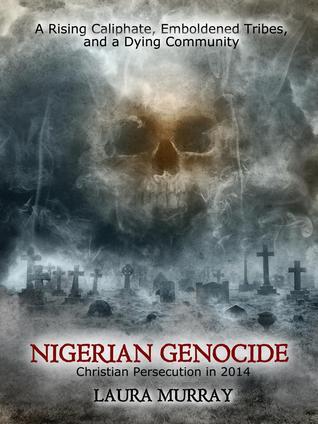
The term “genocide” has not been used in reference to Nigeria for a long time, but it is now resurfacing in the context of severe violations of religious freedom. Recently, United States President Donald Trump designated Nigeria as a “Country of Particular Concern” due to these issues, specifically highlighting the persecution of Christians. His statement came with a warning that the U.S. might take military action or suspend aid if the Nigerian government continued to allow such violence.
This development marks a significant shift in the international perception of Nigeria’s leadership under President Bola Ahmed Tinubu. As a Muslim leader, Tinubu’s administration has faced criticism for its handling of religious tensions, particularly against Christians. His vice-president, also a Muslim, was part of an electoral ticket that aimed to ensure political stability. However, two and a half years into his tenure, the situation has deteriorated, drawing attention from global leaders like Trump.
Tinubu has managed to avoid many potential controversies, including legal and ethical issues in the U.S. Yet, the recent designation by Trump has brought new scrutiny to his leadership. Despite this, Tinubu has maintained a sense of confidence, avoiding U.S. soil and focusing on domestic affairs. He has celebrated his second anniversary in office, claiming economic stabilization and reduced inflation, though these claims are met with skepticism by many Nigerians.
In response to widespread corruption and insecurity, the government has made grandiose statements, such as declaring the eradication of corruption and asserting control over security threats. National Security Adviser Nuhu Ribadu even introduced the concept of “Tinubu Gains” to counter the local phrase “Tinubu Pain.” However, these efforts have done little to address the real issues facing the country.
Ribadu’s recent remarks about combating insurgent groups like Lakurawa were met with disbelief. He claimed that Boko Haram was losing ground and that Lakurawa would be crushed, yet these assertions do little to reassure the public. The reality is that Nigeria remains unsafe, with vast regions left vulnerable to criminal activity. Federal officials often avoid acknowledging the severity of the situation, leading to a lack of effective solutions.
The government’s denial of a genocide against Christians is rooted in its refusal to confront the deeper issues of governance. Instead of addressing the root causes of insecurity, it continues to make empty promises and avoid accountability. This approach echoes the failures of previous administrations, such as that of Muhammadu Buhari, who also struggled with similar challenges.
The current state of governance in Nigeria is characterized by a lack of commitment and strategy. The government has failed to implement comprehensive measures to combat insecurity, leading to a crisis that affects all citizens, regardless of religion. The situation is further exacerbated by the failure of the media to provide accurate reporting, leaving the public in the dark about the true extent of the problems.
International actors, including the U.S., must consider their role in addressing these issues. While military intervention may seem like a solution, it is not a sustainable one. Instead, the focus should be on fostering genuine democratic processes and holding leaders accountable through free and fair elections and the rule of law.
Nigeria needs a system that ensures transparency and accountability at all levels of government. The current political landscape is dominated by a “kakistocracy,” where the most unscrupulous individuals gain power through a façade of democracy. This environment allows corrupt leaders to thrive while the majority of citizens suffer.
The U.S. should prioritize humanitarian efforts over military intervention. Reinstating programs like USAID and providing support to troubled regions can help build a more stable and hopeful future for Nigeria. By investing in education, economic opportunities, and security assistance, the U.S. can contribute to the growth of vibrant communities rather than supporting corrupt leadership.
Ultimately, the greatest threat to Nigeria is not external; it is the systemic failures within its own government. The violence and instability that plague the country are the result of poor governance and a lack of accountability. Until these issues are addressed, the cycle of suffering will continue.


