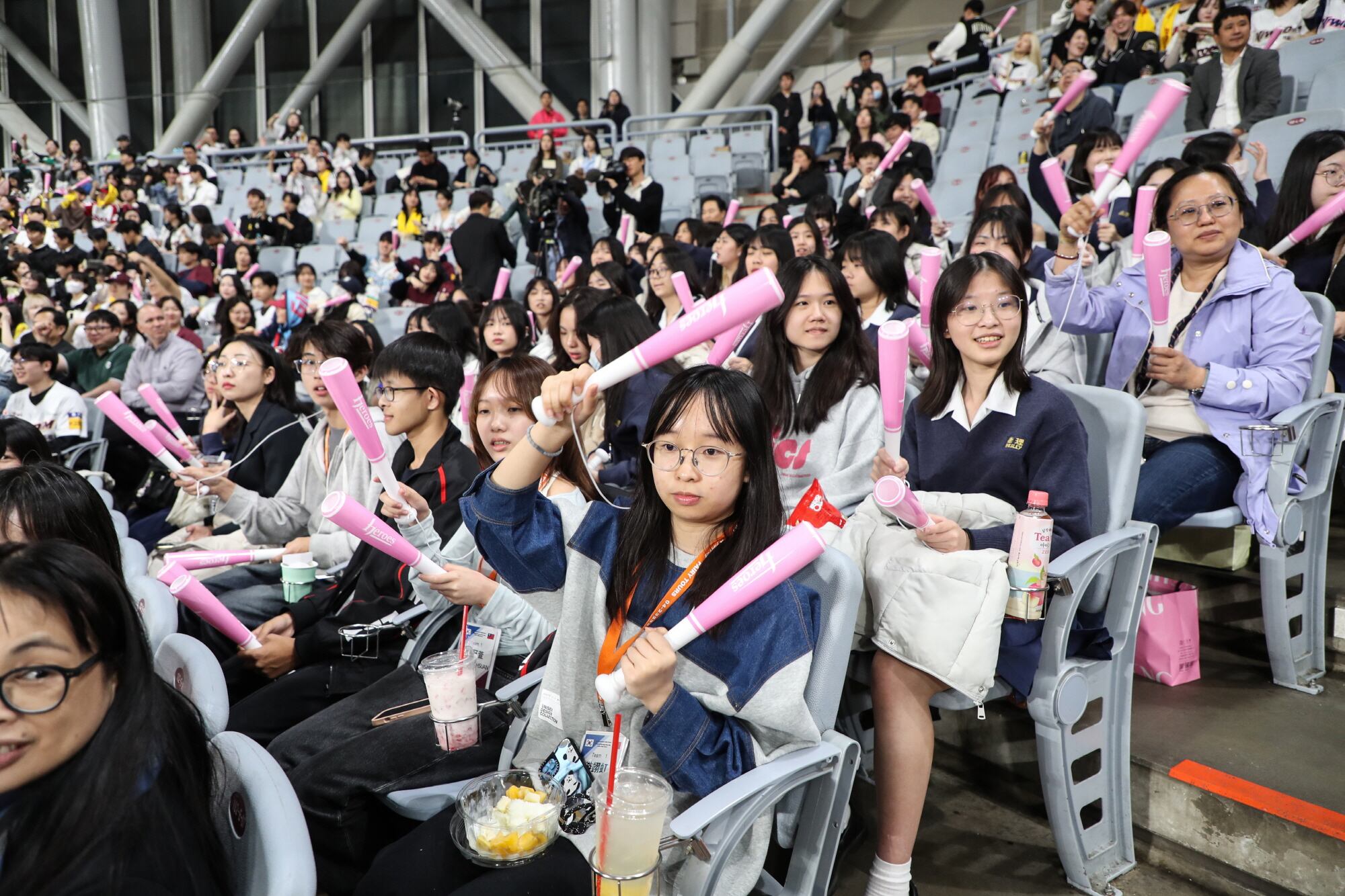
Sometime ago, unfamiliar languages began to echo throughout Seoul. Beyond Gyeongbokgung Palace and Myeongdong, foreign tourists naturally blend into our daily lives, from benches along the Han River to the fortress trail of Naksan Park, and even on buses crossing Jamwon Bridge. The once-desolate Itaewon overpass has become famous for its Seoul Tower night views. Under the massive hand statue in front of COEX, once considered an eyesore, laughter overflows as tourists dance to “Gangnam Style.”
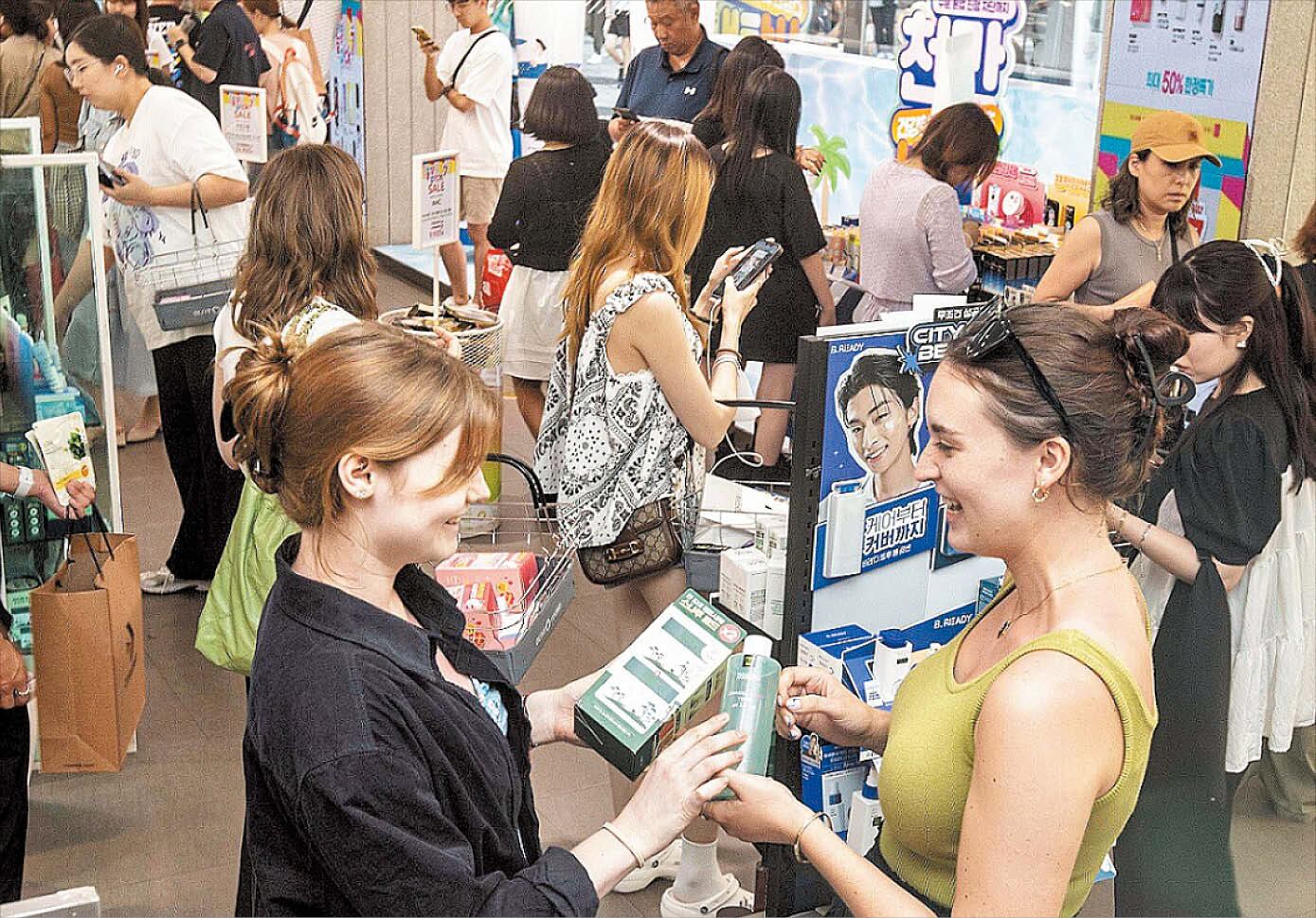
They came to Seoul seeking the scenes they desired, and they look happy. Even in places we might think they wouldn’t know, foreign language reviews pile up, proving Seoul is now a city that captivates the world. Our ordinary daily spaces have become special experiences for others. What has changed?
12.37 Million Visitors by August
Foreign tourists, who numbered 17.5 million in 2019, slowed due to COVID-19 but quickly recovered to 11.03 million in 2023 and 16.36 million in 2024. This year, they reached 12.37 million by August, with projections of opening a “20-million era.” However, the increased perception of tourists isn’t just due to numbers—it’s their changed “tourism patterns.” Group tours centered on guides, buses, accommodations, food, and shopping have decreased, while individual trips with family or friends have surged. For them, experiencing the “daily spaces” seen in dramas and movies has become the goal of their Korean travels.
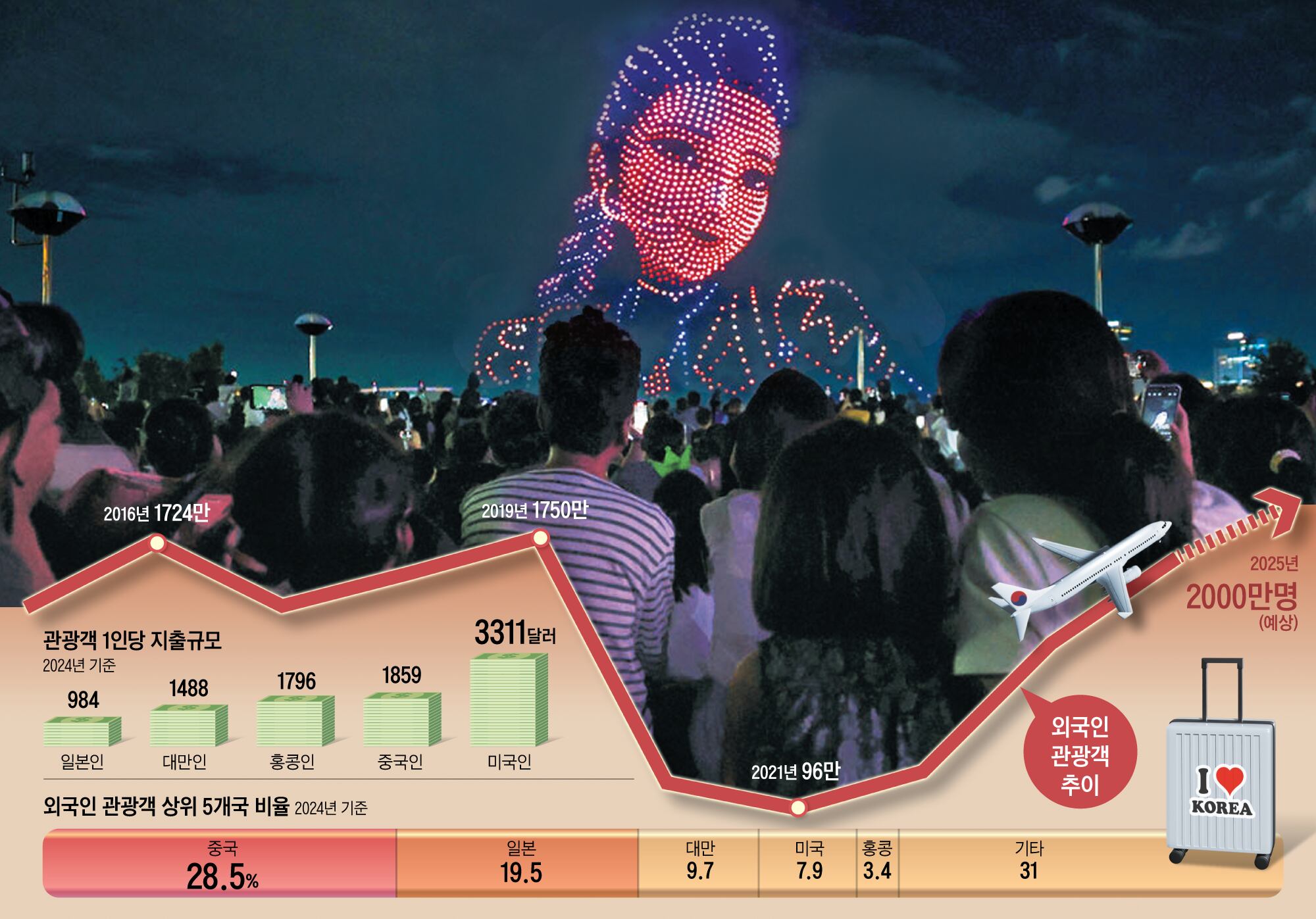
China remains the top country for overseas tourists, followed by Japan, Taiwan, the United States, and Hong Kong. Taiwanese tourists favor Busan as much as Seoul, while Japanese tourists are overwhelmingly women in their 20s, characterized by short, frequent visits. Americans spend the most per person at $3,311. Chinese tourists spend $1,859, down from $2,319 in 2015, reflecting a shift from shopping-focused group tours to frugal individual travelers. Japanese tourists spend $984, the lowest, likely due to their ability to efficiently find what they want based on extensive research.
Olive Young and Daiso Instead of Duty-Free Shops
We once obsessed over providing sights and foods tailored to foreigners’ expectations. But the world has changed. Instant noodles cooked on the spot at Han River convenience stores are now symbols of romance. Tteokbokki, once thought disliked by Westerners for its spiciness and chewiness, has become a beloved dish. Foreign tourists no longer seek duty-free shops. Stores like Olive Young and Daiso, offering cost-effective cosmetics and various novelties, have become shopping hotspots.
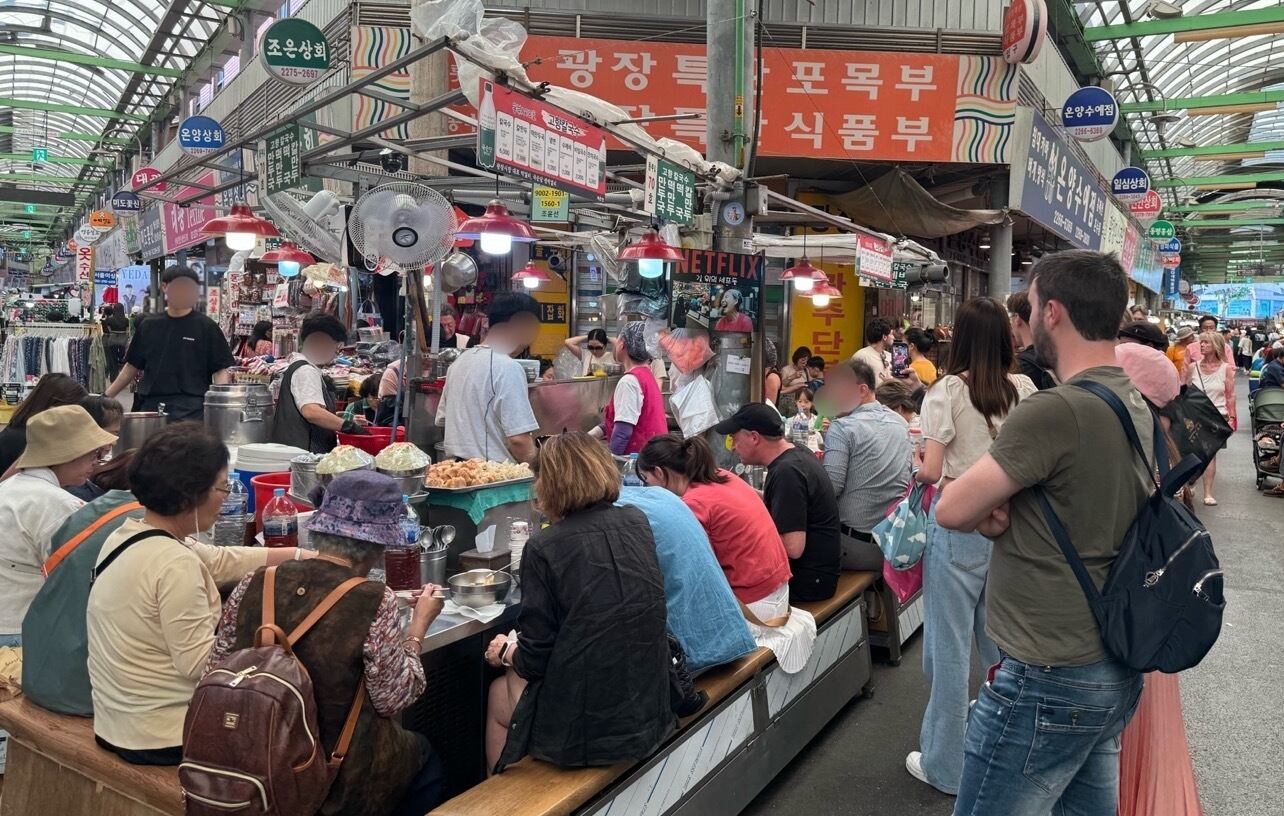
Thanks to social media, the tastes of the MZ generation have globalized. Yeouido is now a global MZ tourism destination. Hyundai Department Store in Yeouido saw foreign sales jump from 3% in 2023 to 15% in 2024—proof of the “power of global MZ.” Like Taiwanese tourists buying quilts by the dozen at Gwangjang Market by Cheonggyecheon, foreigners now effortlessly find what they want in every corner, astonishing older generations.
K-Culture is Good, but Foreigners Should Be Considered
Thanks to pop culture content like “K-pop Demon Hunters,” South Korea has become a “cool and desirable place.” Challenges remain: First, tourists concentrate in the Seoul metropolitan area. High-quality tourism content to satisfy diverse tastes is also lacking. Like Japan, where almost every place has Korean guides, we must pay more attention to accommodating foreigners in daily life. Improving apps and systems used globally is crucial. Consideration, even unnoticed, fosters gratitude and goodwill.
Unconsciously, South Korea has become a cool and attractive country. As more people feel affection for our culture, language, lifestyle, and spaces, our friends increase. We no longer need to obsess over “what to show.” Tourists already love our true selves. The “life we build today” will be the most powerful asset shaping “tomorrow’s Korea.”
Is South Korea an IT Powerhouse? Foreign Tourists Find It Inconvenient
We consider South Korea an IT powerhouse. Foreign tourists often discover Korea through internet and digital content. Yet, they view our IT systems as outdated.
Navigating via smartphone and using public transport aren’t easy. Google Maps, which handles navigation, public transport, and store information in most countries except China, doesn’t work well here. This stems from a 15-year stalemate between the South Korean government, which requires domestic servers, and Google, which demands high-precision map exports.
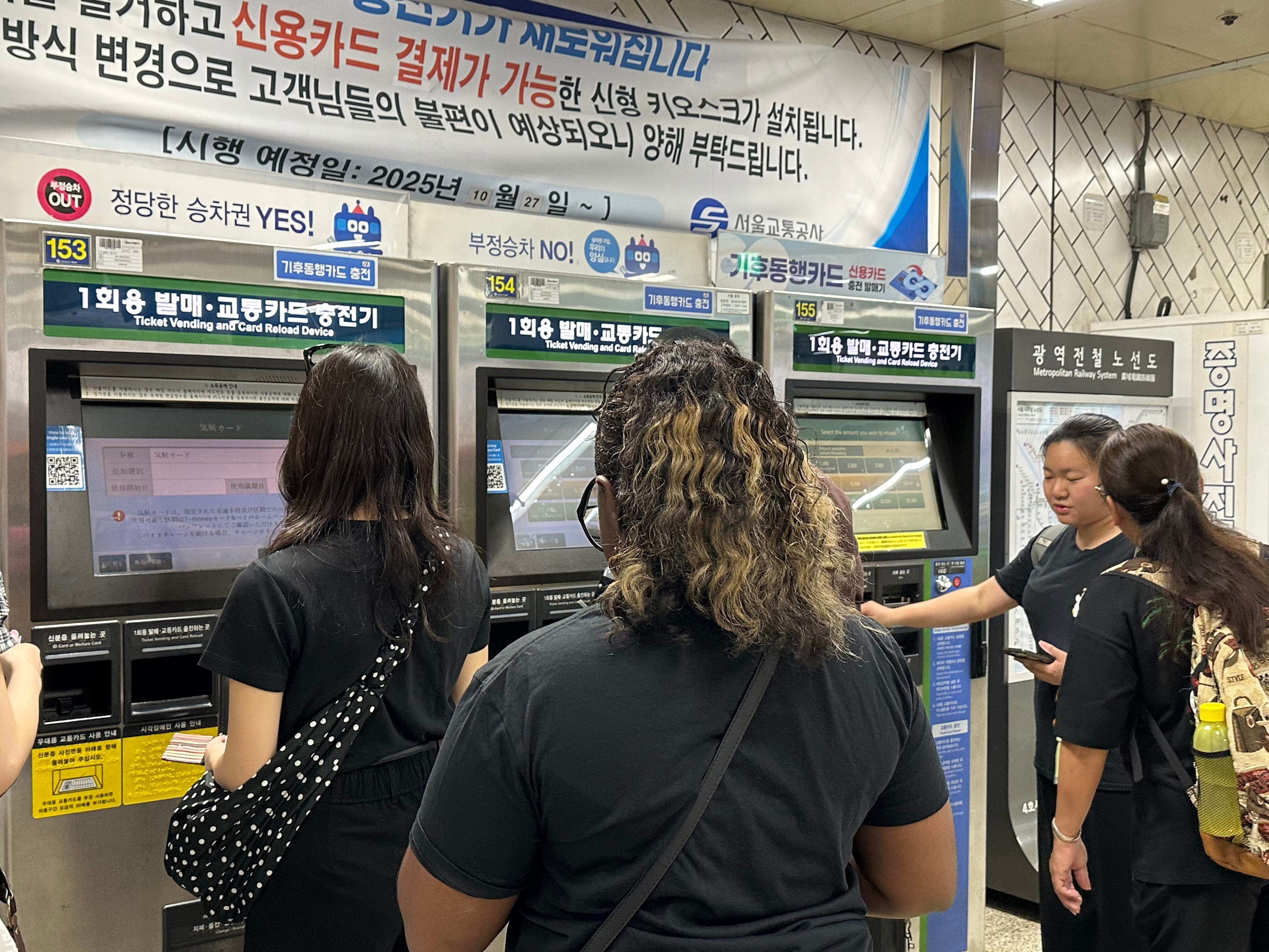
Many countries offer convenient mobility via ride-hailing apps like Uber or Grab, but South Korea’s options beyond taxis are limited. While Japan, Taiwan, Thailand, and even Beijing allow subway rides with credit cards, South Korea requires separate tickets. In 2007, we created a proprietary transportation card system called PayOn, but major global cities adopted open-loop systems compatible with regular credit cards, isolating ours. Japan, leveraging the Olympics and Expo, is now faster than us in digital transformation for tourists.
Domestic companies like Naver and Kakao are expanding multilingual support, but foreigners still face inconveniences. Adopting open-loop systems requires coordination among transportation card operators, card companies, financial authorities, and local governments—no one is taking the lead. If we want more tourists, the government and local authorities must stop turning a blind eye.
Only 15% of Foreign Tourists Enter via Regional Airports
Foreign Tourists’ Regional Travel: A Remaining Task
Concentration in the capital area isn’t limited to locals—it applies to overseas tourists too. Distributing tourists beyond Seoul is essential for sustainable tourism. The 73% entry via Incheon and Gimpo airports is closely linked to this concentration. Regional airport entries account for only 15.1%.
26% of Taiwanese Tourists Use Gimhae Airport
Amid this, the surge in Taiwanese tourists arriving via Gimhae Airport to visit Busan stands out. In 2024, Taiwanese visitors to Busan doubled from 2023 to 500,000, ranking first among overseas tourists. Taiwanese use Gimhae Airport at a 26% rate. While nationals prefer their own airlines, Taiwan’s direct flights via China Airlines and Tigerair positively impact Busan visits.
Learn from Japan’s Foreign Carrier Incentives
In contrast, Japan-Korea routes operate 48 routes across 26 cities in 2024, but Japanese airlines only serve Incheon and Gimpo. While 8.82 million Koreans visited Japan in 2024, only 3.22 million Japanese came to Korea—a gap partly due to limited Japanese carrier destinations. To attract foreign tourists to regions, we must expand foreign carriers’ regional airport access.
Under the goal of “enhancing regional tourism awareness,” Japan’s Ministry of Land, Infrastructure, Transport and Tourism and Japan National Tourism Organization provide subsidies and develop travel products to attract foreign carriers to regional airports. This explains why Korean airlines fly to small Japanese cities and young female travelers visit rural Japan. Large terminals and long runways alone won’t bring tourists. Financial support to attract more foreign carriers and develop appealing content can reduce Seoul’s tourist concentration.