Embracing Technology in Policing: A Balanced Approach
Hong Kong’s police chief, Commissioner Joe Chow Yat-ming, has emphasized the importance of integrating advanced technology into modern policing strategies while maintaining a strong focus on human involvement. As part of his “smart policing” initiative, the force is exploring new ways to enhance operational efficiency through technological advancements.
One of the key elements of this strategy includes the use of robot dogs for patrols and surveillance. These robotic units are currently being tested in detention cells at police stations, where they assist in conducting checks and monitoring activities. While these robots can help reduce the workload of human officers, Chow stressed that they are not intended to replace them entirely. Instead, they serve as valuable tools that complement traditional policing methods.
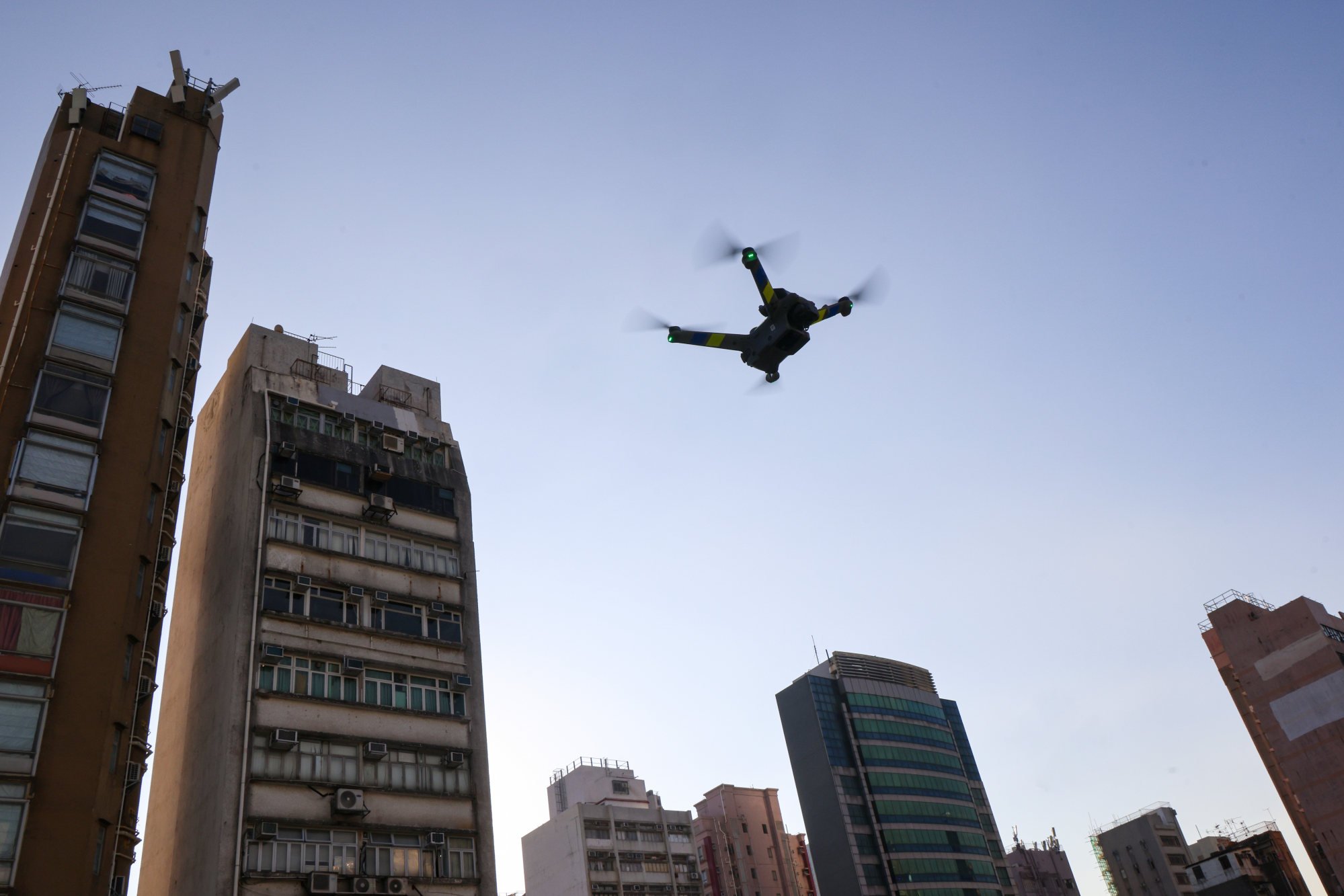
The police force has also begun a pilot program for drone patrols, which have shown promising results. In areas like Yau Tsim district, drones have been used to detect criminal activities, leading to several arrests. The success of these operations has prompted plans to expand drone patrols to other regions, including The Peak and Cheung Chau, by the end of the year. Additionally, the New Territories police are considering using drones to combat vehicle theft in rural areas.
Another significant component of the smart policing strategy is the installation of surveillance cameras under the “SmartView” project. The goal is to install 2,000 sets of cameras across the city by the end of the year, with each set containing two to three cameras. This initiative has already contributed to the detection of numerous crimes, including theft, burglary, and even homicides. The police have reported a notable decrease in various street crimes, such as theft from vehicles and pickpocketing, following the implementation of the program.
Public demand for increased surveillance has also been evident, with many residents urging the police to expedite the installation of cameras outside their residences. However, the police chief acknowledged that there is no set timeline for introducing artificial intelligence tools or facial recognition technology into the surveillance systems. He emphasized the need for further research into the feasibility and potential applications of these technologies.
Despite the growing reliance on technology, Chow reiterated that the ultimate goal of technology-assisted patrols is not to replace human officers but to enhance their capabilities. He highlighted the importance of the human touch in policing, noting that interacting with drones or robots is fundamentally different from engaging with people. While these technologies can serve as partners in crime prevention, they cannot substitute the presence and judgment of human officers.
Chow also addressed concerns about maintaining the same level of deterrence associated with traditional police presence. He pointed out that drones and robots can mimic the visibility of police vehicles or foot patrols, equipped with flashing lights and the ability to broadcast messages. In the future, robots may even be used for crime prevention or conducting arrests, further demonstrating their potential as complementary tools in modern policing.
The integration of technology into policing represents a significant shift in how law enforcement operates. By leveraging advanced tools while maintaining a strong human element, the police force aims to create a more efficient and effective approach to crime prevention and public safety. As the use of technology continues to evolve, the balance between innovation and tradition will remain a critical aspect of modern policing.