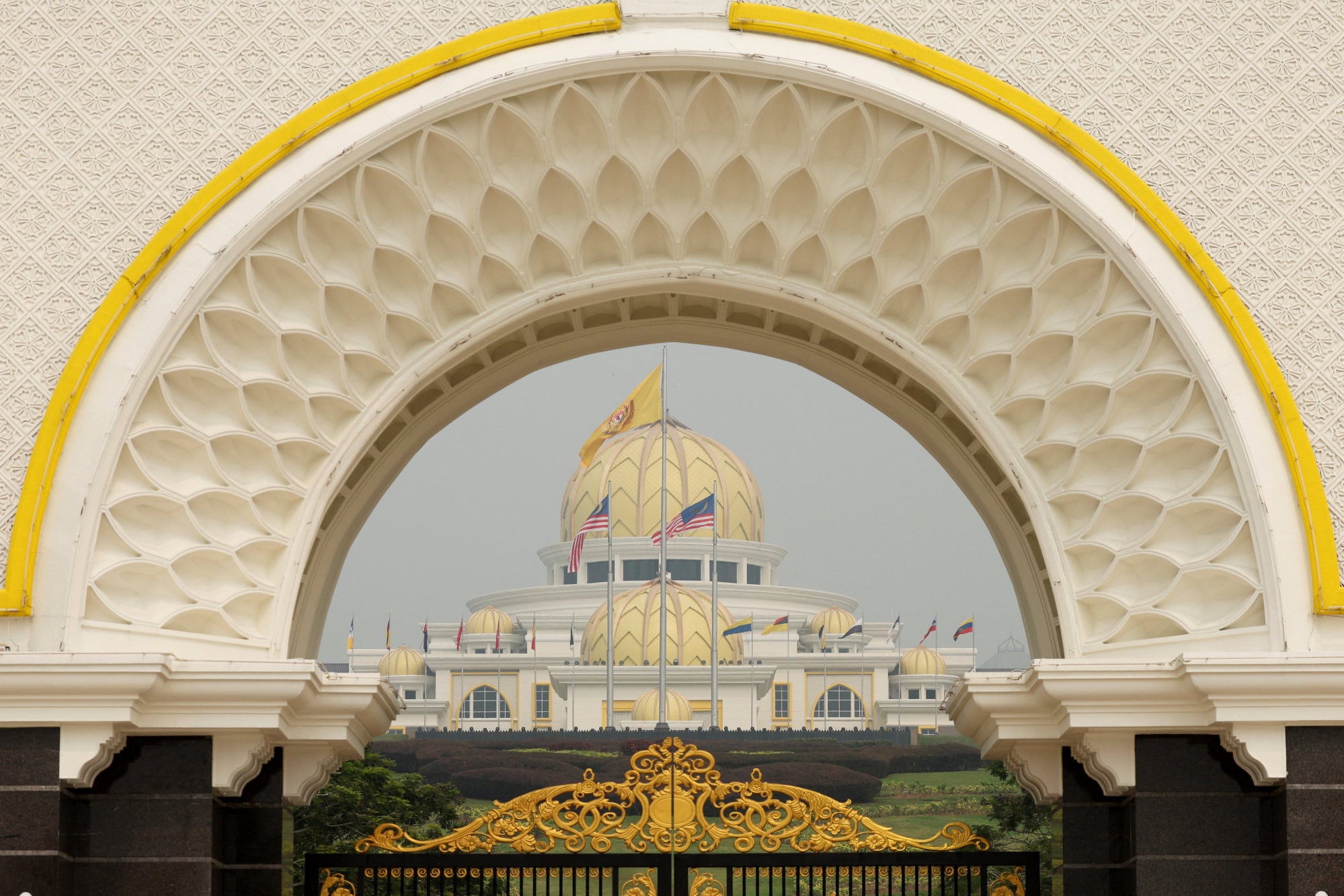
The former PM has been granted house arrest, but an unpaid US$12 million fine and a second prison term stand in his way
Malaysia‘s former prime minister Najib Razak appears to have entered the home stretch of his years-long bid to serve the remainder of his corruption sentence under house arrest.
The 73-year-old has spent nearly two years fighting to serve his sentence at home, after claiming a royal order issued alongside his 2024 sentence commutation granted him that privilege.
The 2024 decision had already halved his 12-year prison sentence and reduced his fine – to 50 million ringgit (US$12.3 million) – for misappropriating funds from SRC International, a former unit of state fund 1Malaysia Development Berhad (1MDB).
Do you have questions about the biggest topics and trends from around the world? Get the answers with SCMP Knowledge, our new platform of curated content with explainers, FAQs, analyses and infographics brought to you by our award-winning team.
Najib must first settle that fine before he can be released from prison, but even if he manages to raise the funds, his future is far from certain.
Malaysia has no law governing house arrest and the rules for Najib’s detention are still being worked out.
Here’s what we know so far about how it will work, what Najib needs to do to go home – and why he could yet find himself back behind bars.
Crowdfunding freedom
Najib was granted his request for house arrest on Friday, when the Federal Territories Pardons Board, chaired by King Sultan Ibrahim, agreed to let him serve the remainder of his six-year SRC sentence – until August 23, 2028 – at home.
He must first pay the fine, however, and comply with the pardon’s other conditions. Any breach would void the arrangement and see him returned to prison, according to the official statement announcing the decision.
His supporters in Umno – the Malay nationalist party he led for nine years until his government was ousted in the 2018 election – have already started passing the hat around. A solidarity fund launched by the party raked in 1 million ringgit within a single day, with many supporters reportedly chipping in 10 ringgit or 50 ringgit apiece.
Attorney General Mohd Dusuki Mokhtar said on Monday that Najib’s family had yet to pay the fine, which must be settled with the Kuala Lumpur High Court registrar before any transfer from prison can go ahead.
Yet even once the money was paid, the process “may take some time”, Dusuki said.
Najib’s lawyers have said raising the money is complicated because a “significant part” of his assets, bank accounts and properties remain frozen or subject to government enforcement proceedings.
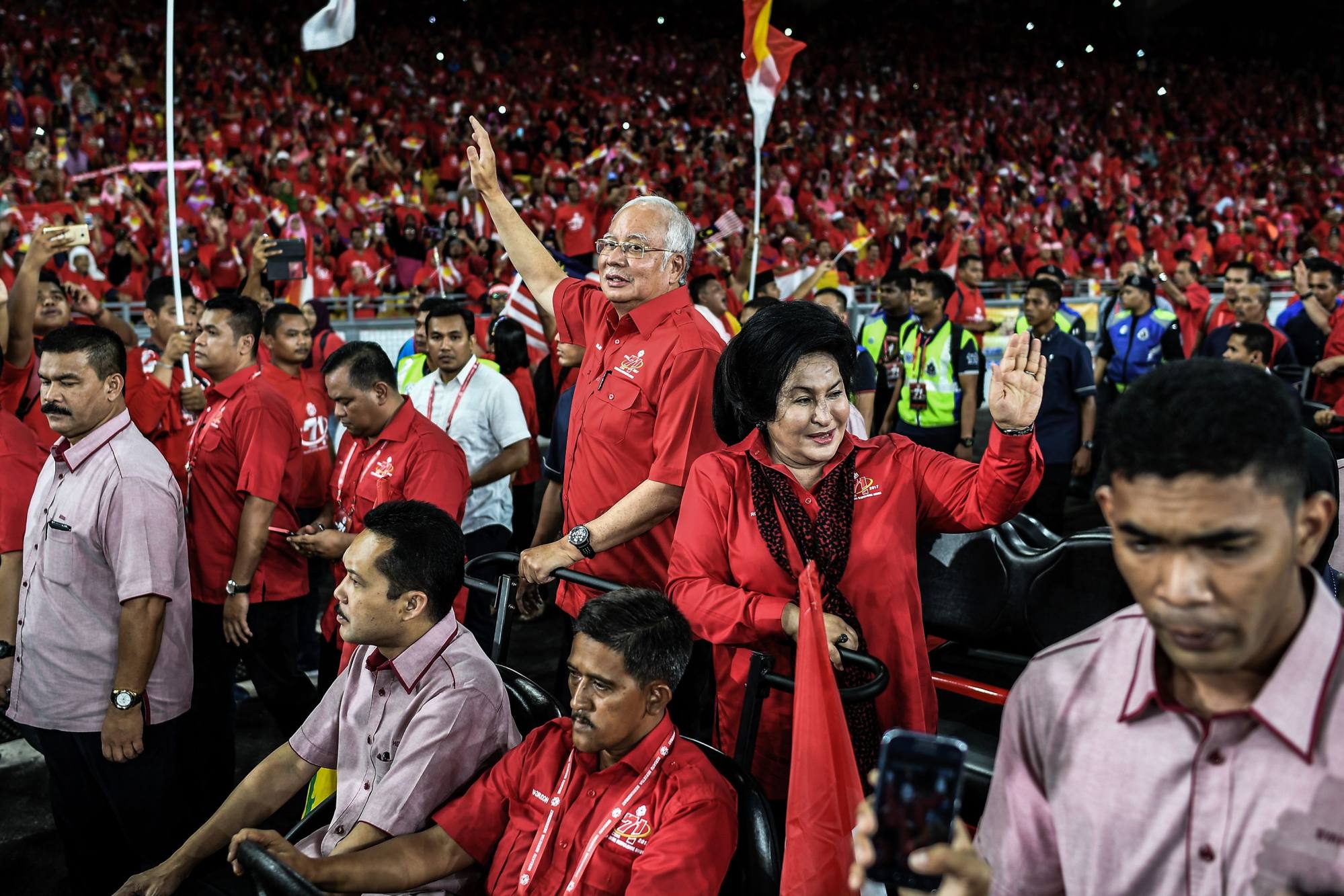
Decree deja vu
The pardon Najib was granted in 2024 by then king Sultan Abdullah Ahmad Shah not only cut his jail sentence and slashed his initial 210 million ringgit fine, it was also accompanied by a separate decree Najib’s lawyers insisted allowed him to serve the balance of his prison term at home.
The document did exist, but the High Court ruled in December that it was unenforceable since house arrest had not been deliberated at the Pardons Board meeting and Malaysian law contained no provision for carrying it out. Najib then withdrew his appeal in April.
Article 42 of Malaysia’s Federal Constitution gives the king broad powers to grant pardons, reprieves and respites.
But the text does not spell out precisely how far that clemency can go, according to Malaysian constitutional lawyer Andrew Khoo.
“The actual ambit of the Pardons Board, in terms of the scope of the clemency that may be granted, is not specified in the constitution or in regulations connected therewith,” Khoo said.
“Given that this provision relies on the historical royal prerogative that has been received by convention, it could be argued that there are no limits to the scope of the clemency.”
Home as a prison
Malaysia still has no law specifically governing house arrest, leaving authorities to look to existing prison rules for a way to make Najib’s new arrangement work while the government develops separate legislation on home detention.
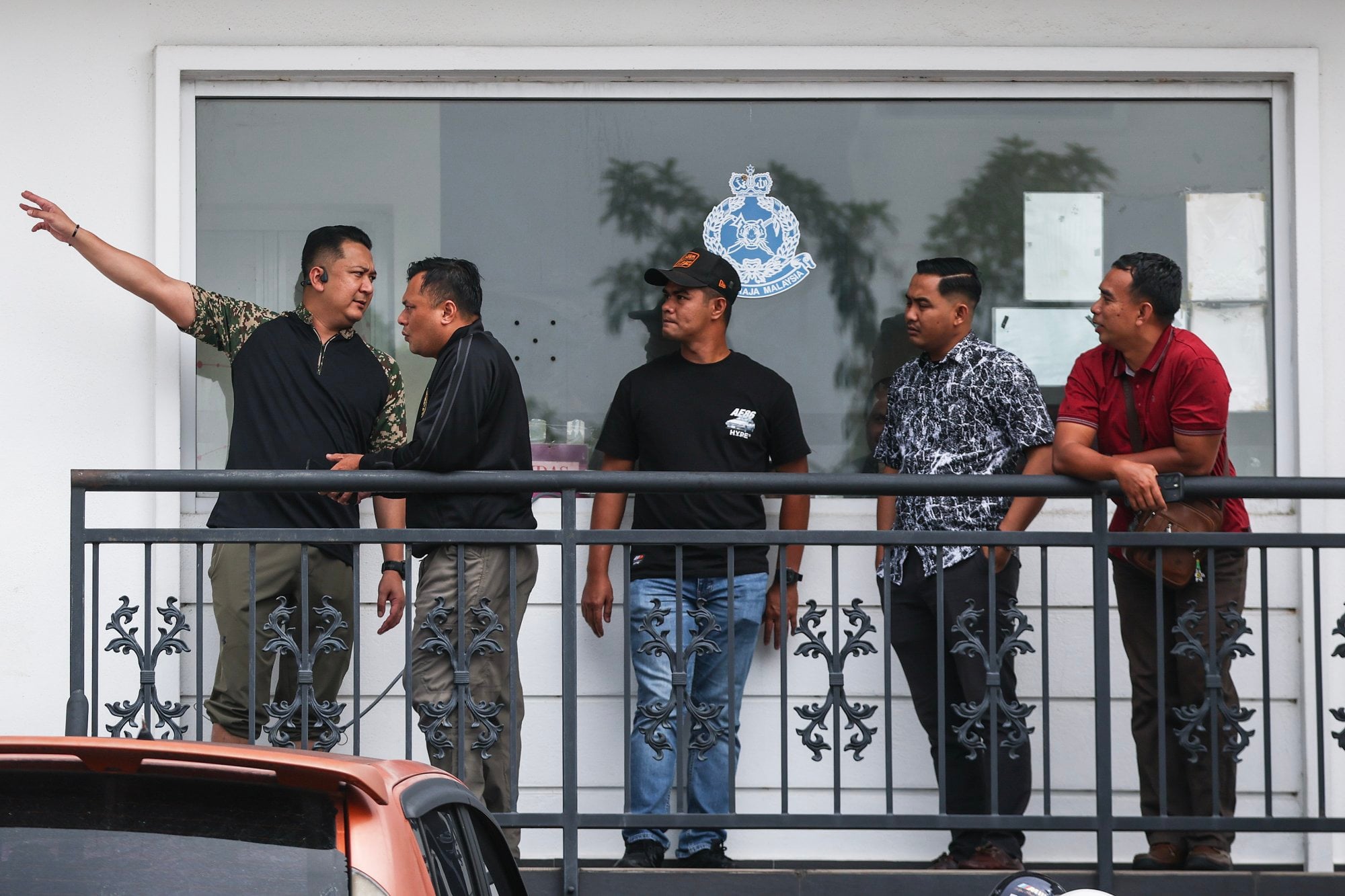
Police and prison officials have assessed Najib’s residence in the upmarket Langgak Duta neighbourhood of Kuala Lumpur, local media reported on Monday, with a mobile police station deployed nearby.
Authorities said the bungalow had not yet been formally confirmed as his detention site.
“One possible technical way the prison authorities can enforce a house arrest is to designate Najib’s house as a prison,” Malaysia-based constitutional lawyer Lim Wei Jiet said.
Such an arrangement could also subject Najib to prison-style restrictions, Lim said, including limits on electronic devices, food and who he can meet.
“There are restrictions … I’m not sure whether that is in line with the idea of a house arrest,” he said.
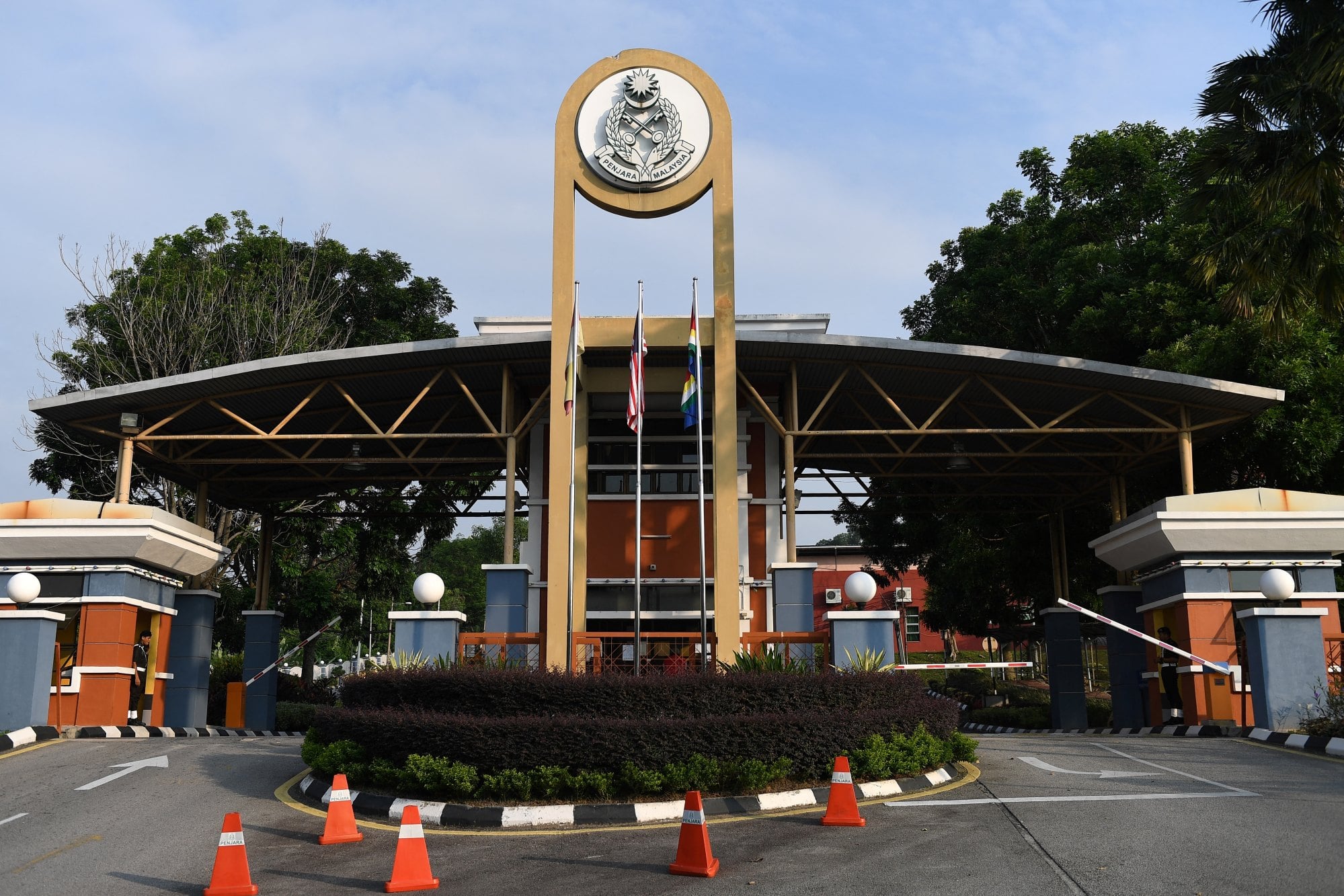
Back behind bars?
Even a successful move home would only cover Najib’s SRC sentence, relating to some 42 million ringgit that was transferred into his personal accounts.
In December, the High Court convicted him in a separate 1MDB case involving 2.3 billion ringgit (US$564 million) and sentenced him to a further 15 years in prison.
Justice Collin Lawrence Sequerah rejected Najib’s claim that the case was a politically motivated witch hunt, pointing instead to “cold, hard and incontrovertible evidence” against him and ordering the new prison term to begin only after his SRC sentence ends.
Najib is currently appealing that conviction, but as things stand, he would be legally bound to return to prison in 2028.
“If he remains convicted in the 1MDB matter and his house arrest period has finished, he has to go back to the normal prison,” Lim said. “Unless, of course, there is a further clemency bid by him which is successful.”
Pardon the politics
Friday’s pardon decision followed a strong year at the ballot box for the United Malays National Organisation. Its Barisan Nasional coalition swept 48 of 56 seats in Johor in July, then took 18 of 36 in Negeri Sembilan the following month – more than any other bloc.
Umno continues to press for its former president’s release, ensuring the issue remains one of the most sensitive in the party’s uneasy governing partnership with Prime Minister Anwar Ibrahim‘s Pakatan Harapan coalition.
That has never sat well with the Democratic Action Party (DAP), a key coalition partner for Anwar and one of Najib’s fiercest critics over 1MDB. Tensions flared again following the house-arrest decision, with DAP secretary general Anthony Loke offering his resignation as transport minister in protest.
Political scientist Ahmad Fauzi Abdul Hamid called Najib’s house arrest “a double-edged sword” for Umno.
“Malay voters are now divided,” he said. “Some who have supported Umno all along will continue to do so, but floating voters [such as] those without any party loyalty will likely distance themselves from Umno [even] further.”
While house arrest for Najib could “marginally improve Umno’s prospects” in some of its traditional strongholds, it also risked alienating middle-class Malay and anti-corruption voters, Ahmad Fauzi said.
More Articles from SCMP
Shadow of Xi summit hangs over Trump’s high-stakes talks with Japan’s Takaichi
Style Edit: Fashion Asia Hong Kong 2026 asks what’s next for design and who will shape it
Hong Kong animal groups call for tighter pet laws after suspected fatal mauling
How a Hong Kong-style milk tea shop in Tokyo has customers queuing out the door
This article originally appeared on the South China Morning Post (www.scmp.com), the leading news media reporting on China and Asia.
Copyright (c) 2026. South China Morning Post Publishers Ltd. All rights reserved.