Hong Kong Insurance Sector Faces Challenges Amid Stricter Cross-Border Regulations
Hong Kong’s insurance industry, known for its robust performance and high-value policies, is now facing a potential slowdown as mainland Chinese visitors encounter new hurdles in transferring large sums of money to purchase insurance products. This development comes after Beijing and Hong Kong regulators have implemented stricter cross-border rules, prompting concerns among industry players and analysts.
The Insurance Authority, which oversees the sector, has emphasized its commitment to monitoring cross-border sales activities. A spokesperson stated that the regulator maintains close communication with mainland authorities regarding non-compliant sales practices. This follows a series of regulatory actions aimed at tightening control over capital flows, particularly as Beijing seeks to redirect investments back into its domestic markets.
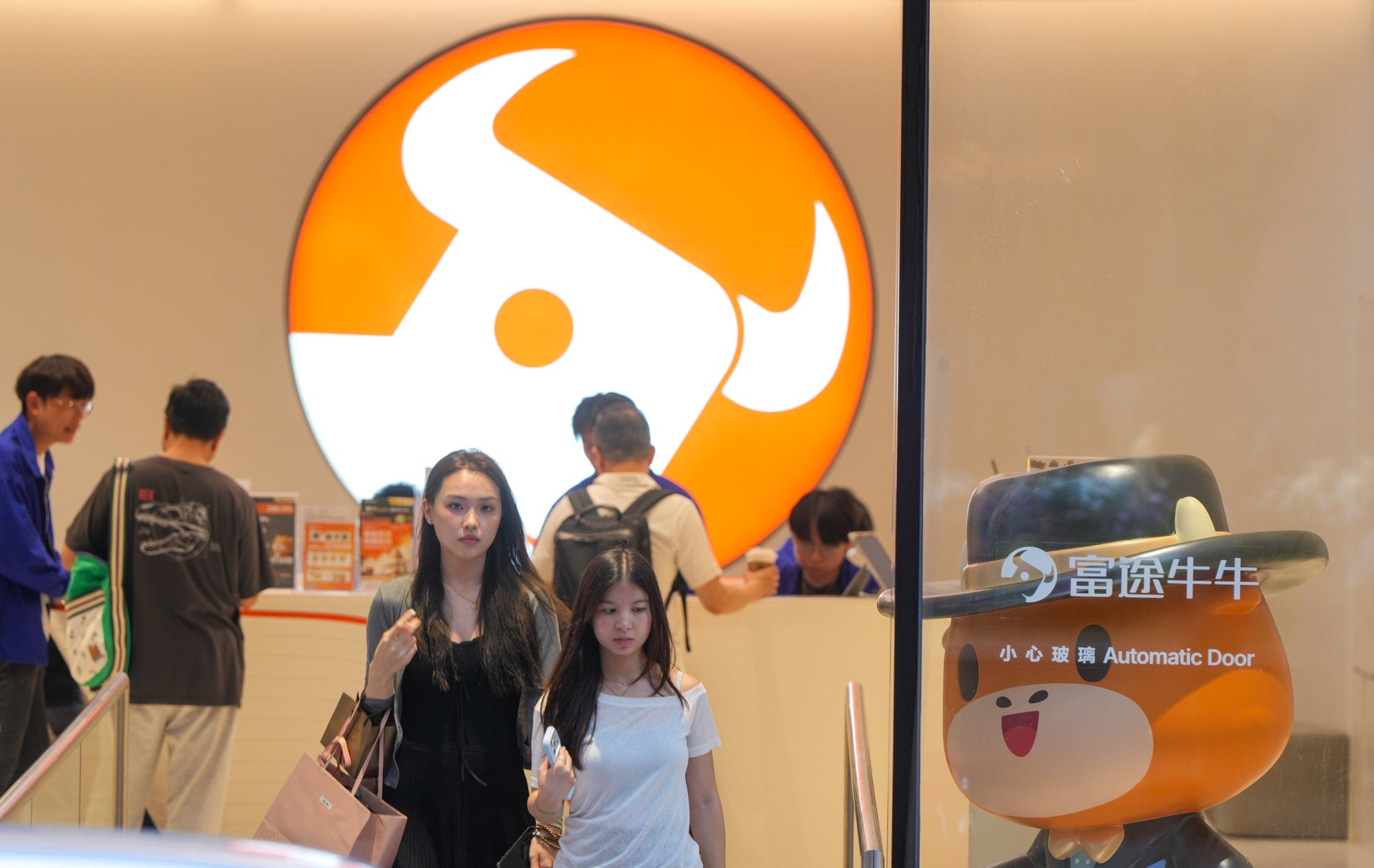
On May 22, the Hong Kong Monetary Authority (HKMA) issued instructions to banks, requiring customers to declare that funds used in investment accounts originated outside mainland China. This move aligns with broader efforts by Beijing to regulate financial transactions and prevent capital outflows. The same day, the China Securities Regulatory Commission (CSRC) announced fines totaling over US$330 million on three online brokerages, including Futu Holdings and Tiger Brokers, for operating without proper licenses.
Industry experts suggest that these new measures could significantly impact Hong Kong’s insurance sector, which has historically relied on mainland visitors for a substantial portion of its sales. Tom Chan Pak-lam, honorary president of the Institute of Securities Dealers, noted that the regulations reflect Beijing’s concerns about wealth flowing out of the country. He pointed out that wealthy mainland investors have been channeling funds into Hong Kong stocks and insurance products due to better returns and more options.
However, some analysts argue that the CSRC crackdown is more focused on stock trading than on insurance. Kenny Ng Lai-yin, a strategist at Everbright Securities International, said the recent actions were primarily targeting illegal cross-border stock investments, which may not have a significant effect on the insurance market.
Record Sales and the Role of Mainland Visitors
Life insurance sales in Hong Kong reached a record high in 2025, rising over 50% to nearly HK$331 billion (US$42 billion) in new life policies compared to the previous year. Mainland visitors played a crucial role in this growth, with cross-border buyers spending HK$62.8 billion on life and medical insurance products in 2024, accounting for nearly 29% of total sales.

This figure marked the second-highest on record, following HK$72.7 billion in 2016. However, sales dropped after Beijing introduced payment restrictions, including a 2016 move by UnionPay to ban mainland customers from using its platform to buy investment-related insurance policies in Hong Kong. The pandemic further disrupted the market, as mainland visitors were unable to travel to Hong Kong from 2020 to 2022, and local agents could not visit the mainland to sell policies.
Since the border reopened in 2023, demand has rebounded. Mainland visitor arrivals rose 11% to 37.8 million last year, making up 76% of total tourists. HSBC Life, the insurance arm of Hong Kong’s largest lender, has been the top insurer for four consecutive years, while BOC Life, part of Bank of China (Hong Kong), also holds a strong position in the market.
Impact on Insurers and Policyholders
The HKMA regulation is expected to affect not only bank-linked insurers but also other players, as mainland visitors must use Hong Kong’s banking system to transfer funds for payments. An executive at a major insurer noted that the requirement may not impact smaller policies, as mainlanders can remit up to US$50,000 annually for overseas investment. However, high-net-worth individuals could face challenges when trying to move larger sums out of China.
The Insurance Authority has required insurers since 2016 to collect travel records or other documents to verify that mainland visitors were physically present in Hong Kong at the time of purchase. In 2024, the authority joined forces with the Independent Commission Against Corruption to crack down on unlicensed cross-border sales.
Selina Lau Pui-ling, CEO of the Hong Kong Federation of Insurers (HKFI), emphasized that local firms comply with all regulatory requirements. She highlighted the sector’s commitment to maintaining Hong Kong’s status as an international finance center.