The Anambra State Gubernatorial Election: A Test for INEC and Its New Chairman
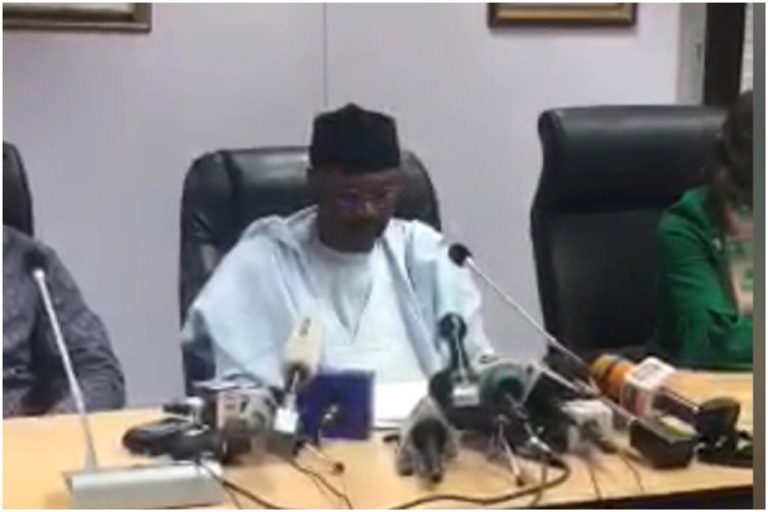
The recent Anambra State gubernatorial election, conducted by the Independent National Electoral Commission (INEC), marked a significant moment in Nigeria’s political landscape. Under the leadership of Professor Joash Amupitan, the new INEC chairman, the election was closely watched as a potential indicator of the commission’s performance and its ability to manage future elections, especially those leading up to the 2027 general elections.
The results of the election sparked mixed reactions from Nigerians, with many expressing their views on the conduct of the process and the role of the new INEC leadership. Here are some of the key opinions shared:
Key Reactions from Nigerians
Dennis Njirika
On the positive side, the direct uploading of results from polling units and the prompt collation and release of results without glitches were commendable. However, he pointed out that widespread vote buying without major arrests or prosecutions was a major downside. He noted that INEC would likely be helpless at national elections.
Gift Ekwegh
Ekwegh emphasized that the issue of elections goes beyond the INEC chairperson. He argued that until poverty among the poor is addressed and the fear of the law is instilled among elites, the country might be deceiving itself about the integrity of its electoral processes.
Gbenga Giwa
Giwa gave the new INEC chairman a B grade. While acknowledging the relatively peaceful nature of the election, he criticized the “nairalisation” of the process, which he felt left a sour taste. He noted that the new chairman seemed powerless to stop it.
Raphael Agbasionwe
Agbasionwe stated that there was no performance yet to rate, as the new chairman had only just resumed on the eve of the election and was not involved in the planning. He suggested giving him time to settle in and understand INEC’s current state.
Abdulazeez Idowu
Idowu rated the INEC chairman 95 percent. He believed that if the same process was followed in Osun State next year, President Bola Tinubu could gain massive support. He also highlighted the potential impact of such a process on future elections.
Christopher Ige-adubi
Ige-adubi praised the new INEC chairman for his impressive performance in conducting the Anambra election. He noted significant improvements in the prompt uploading of results, which enhanced transparency and public confidence. Despite minor logistical challenges, he believed the overall conduct was peaceful, fair, and credible.
Juwon MI
MI described the Anambra election as “plain and fast.” He acknowledged that while money inducements could not be controlled by INEC alone, he rated the commission 80/100. He considered the election legitimate and satisfactory.
Onyia Ernest
Ernest pointed out that Nigerian citizens themselves are part of the problem, citing polling officers who conduct elections without results sheets and adults who sell their votes. He highlighted the painful reality of people selling their votes for small incentives like Gala snacks and N500.
Otolola Abiodun
Abiodun commended the INEC chairman for the logistics put in place for the election. He hoped that the same method could be used in Osun State in 2026 to build more trust in INEC.
Sunday Osang
Osang criticized the incumbent governor of Anambra State, Charles Soludo, for allegedly deploying millions of naira to constituencies that voted for APGA. He called this an electoral crime and urged other parties to take legal action against it.
Omo Akilofalaseju
Akilofalaseju noted that vote-buying has become a tradition in Nigerian politics. He argued that whoever is caught is often just a scapegoat, with little real change occurring.
John Itama
Itama expressed skepticism, stating that nothing could be said until a second election was conducted. He suggested that the outcome of another election would reveal whether the initial one was a “Trump saga.”
Austin Honourable
Honourable criticized INEC for declaring a winner despite evidence of vote-buying. He gave them a 15 percent rating.
Opawole Adewole
Adewole praised the new INEC chairman for performing wonderfully well and protecting his dignity. He described him as a man who could be reckoned with.
Odeji Christian
Christian questioned the credibility of many comments, arguing that they came from Yorubas commenting on an election held in Anambra. He asked whether the critics had actually witnessed the event.
Agba-Igwe Achebe
Achebe claimed that Anambra elections are always free and fair, suggesting that the new INEC chairman should not be rated based on this election.
Yemi Ayeni
Ayeni lamented the continuation of vote-buying and the lack of change in the system. He warned that the weak foundation would eventually collapse.
Minabo Ekine
Ekine criticized the new INEC chairman as unreliable, noting that despite the presence of vote-buying, INEC still declared the results.
Anthony Chiegbunem
Chiegbunem argued that the new INEC chairman should have stopped the election in areas where vote-buying was evident. He found no unique qualities in him yet.
Falae Olugbemiga
Olugbemiga rated INEC and its chairman 45 percent. He called for stricter penalties for vote buyers and sellers and suggested that the new chairman had not settled well into his role.
Chimaobi Okwesileze
Okwesileze criticized INEC’s performance, stating that it allowed vote-buying. He accused the APGA party of being the main offender in the Anambra election.
Tochukwu Samuel
Samuel described the situation in his state as one where victims of bad governance sold their votes for money and snacks under the watch of security agencies. He gave INEC a 48 percent rating.
Raymond Ekedozie
Ekeodzie warned that if nothing was done about vote-buying in the Anambra election, it would be condoned in the 2027 general elections. He gave INEC a 30 percent rating.
Conclusion
The Anambra State gubernatorial election served as a critical test for INEC and its new chairman. While there were notable improvements in transparency and efficiency, concerns over vote-buying and the lack of accountability remained prominent. As the country prepares for future elections, the lessons learned from this process will be crucial in shaping a more credible and trustworthy electoral system.


