
The video game industry is currently facing a significant crisis, and it’s clear that the existing financial system is not supporting innovation as it should. This situation is a textbook example of what happens when industries prioritize profit over other essential factors.
In any industry, companies are primarily driven by the goal of making profits. However, for a business to remain competitive and profitable, it must reinvest a portion of its earnings back into the company. This investment helps the company grow and stay relevant in the market.
DMA Design serves as an excellent example of this process. Starting as a small studio in Scotland, they created a successful game called Lemmings. To get off the ground, they needed initial investment capital, which could come from banks or even wealthy parents. This capital was used to purchase means of production such as computers and offices, as well as to pay the wages of their workforce.
For DMA Design to make a profit, the game had to be sold at a price that not only covered the costs but also allowed for expansion. With more money available, they could scale up by purchasing additional equipment, hiring more staff, and creating more ambitious games. However, small companies like DMA Design are vulnerable to changes in market conditions. An unsuccessful product or economic downturns can put them at risk of being acquired by larger companies.
Even if successful, larger companies may see smaller studios as competitors or as potential targets for acquisition. They have the resources to make hostile takeover bids or offer enough money to entice owners to sell.
DMA Design is now known as Rockstar North, a subsidiary of Rockstar Games, which is owned by Take-Two Interactive. The greater the investment in a game, the larger the market needs to be to realize profits. This trend leads to conservatism in the industry. While fans might hope for features like realistic vehicles or gunplay in games like GTA 6, these expectations may not be met.
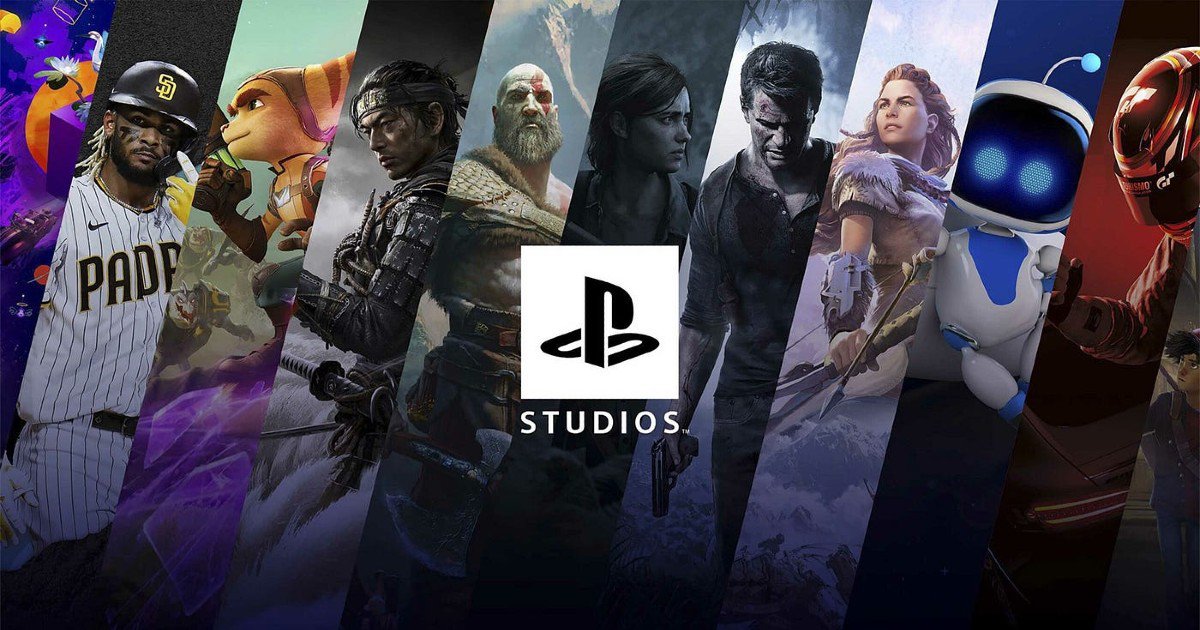
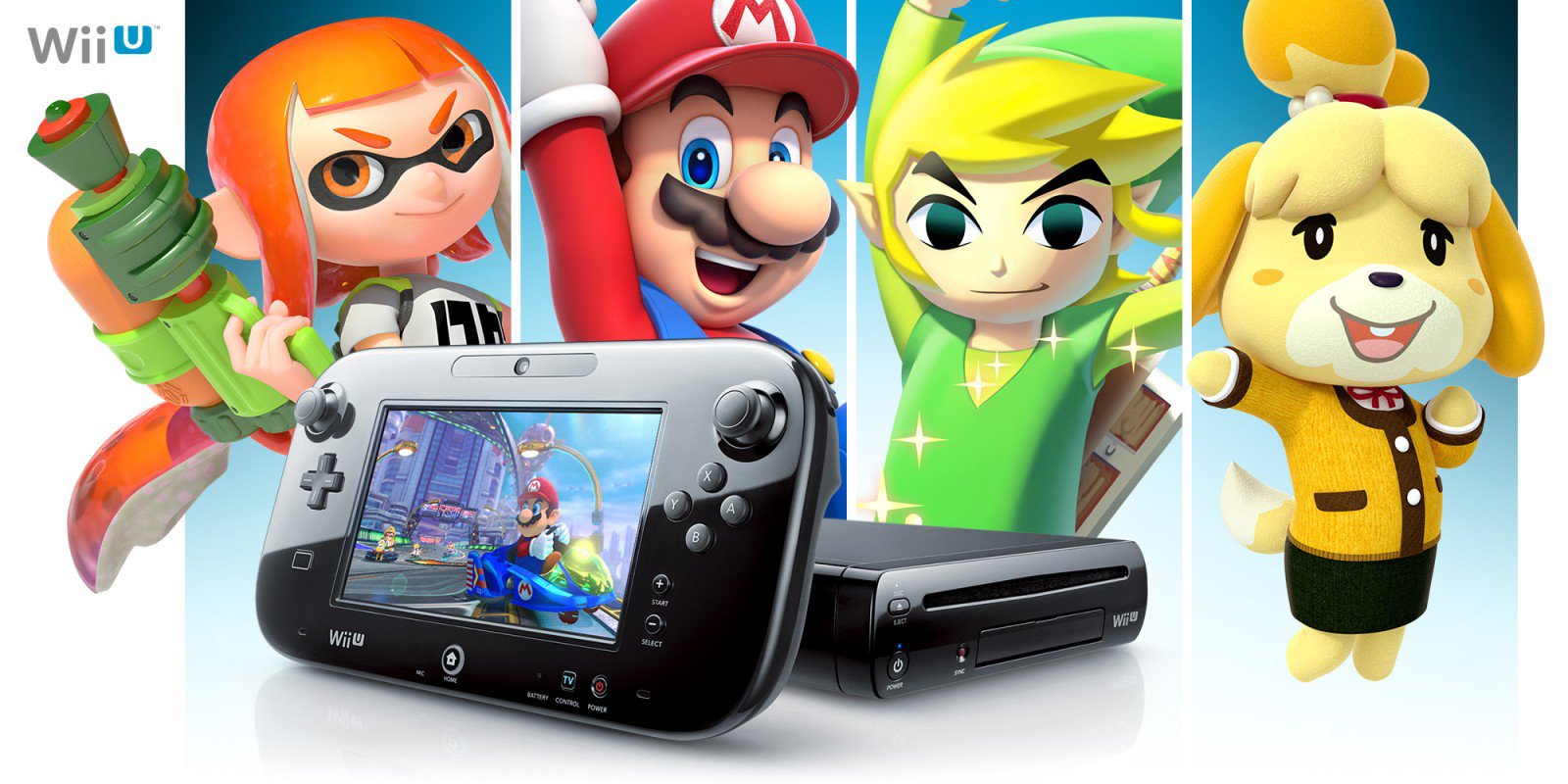
Competition does not always drive innovation. In fact, it often leads to conservatism, as seen with Sony’s efforts to produce the next Fortnite. Nintendo has a history of producing innovative products when they lose market share, such as with the Wii and Switch. However, success can lead to complacency, as seen with the Switch 2. Instead of focusing on cutting-edge software, Nintendo is shifting focus towards movies and theme parks.
Valve, for instance, has invested heavily in Steam rather than developing new games like Half-Life 3. This shift highlights how companies may prioritize profitability over innovation.
The trend of large companies acquiring smaller ones is set to continue. As seen in other media industries, there is a tendency towards concentration or monopolization. For gamers, this would not be a bad thing if the aim was to support the development of software and the labor force that creates it.
However, in many cases, it makes economic sense to close down companies, remove competitors, and capitalize on their assets. This practice can lead to a short-term profit, but it may not be sustainable in the long run.
Nintendo, often considered the angel of the big three, is unable to compete on these terms. They need to turn a profit on their consoles and IP while continuing to make video games that people can afford. Their success relies on their skilled labor force, which cannot be easily replaced.

It is important to distinguish between the mass and rate of profit. Larger companies can lower their margins to remain competitive, but this strategy can lead to problems when the economy changes, such as rising prices of rare minerals and RAM chips. Smaller companies are particularly vulnerable to these changes, leading to further consolidation in the industry.
Investments in AI are also a concern. While the goal is to reduce labor costs, this can create issues when fewer consumers are able to purchase goods. The video game industry is a microcosm of a broader economic crisis, and it may be one of the first victims.

The future of the video game industry looks uncertain. Small independent studios struggle to survive, especially in the face of rising production costs and reduced consumer spending. Even those that remain profitable are vulnerable to acquisition by larger tech companies.
Human labor is essential for the economy, and the video game industry is no exception. Profit ultimately relies on the sale of goods produced by human labor, which requires consumers with sufficient wages. In a cost-of-living crisis, this balance is becoming increasingly difficult to maintain.
As a wage earner, I wonder how long I will be able to afford my hobby or enjoy games like Resident Evil Requiem. The industry is facing challenges that could affect the availability of games in the future. Those produced by indie developers are even more vulnerable to these challenges.
Brace yourselves. Nobody is immune to the changes happening in the video game industry.