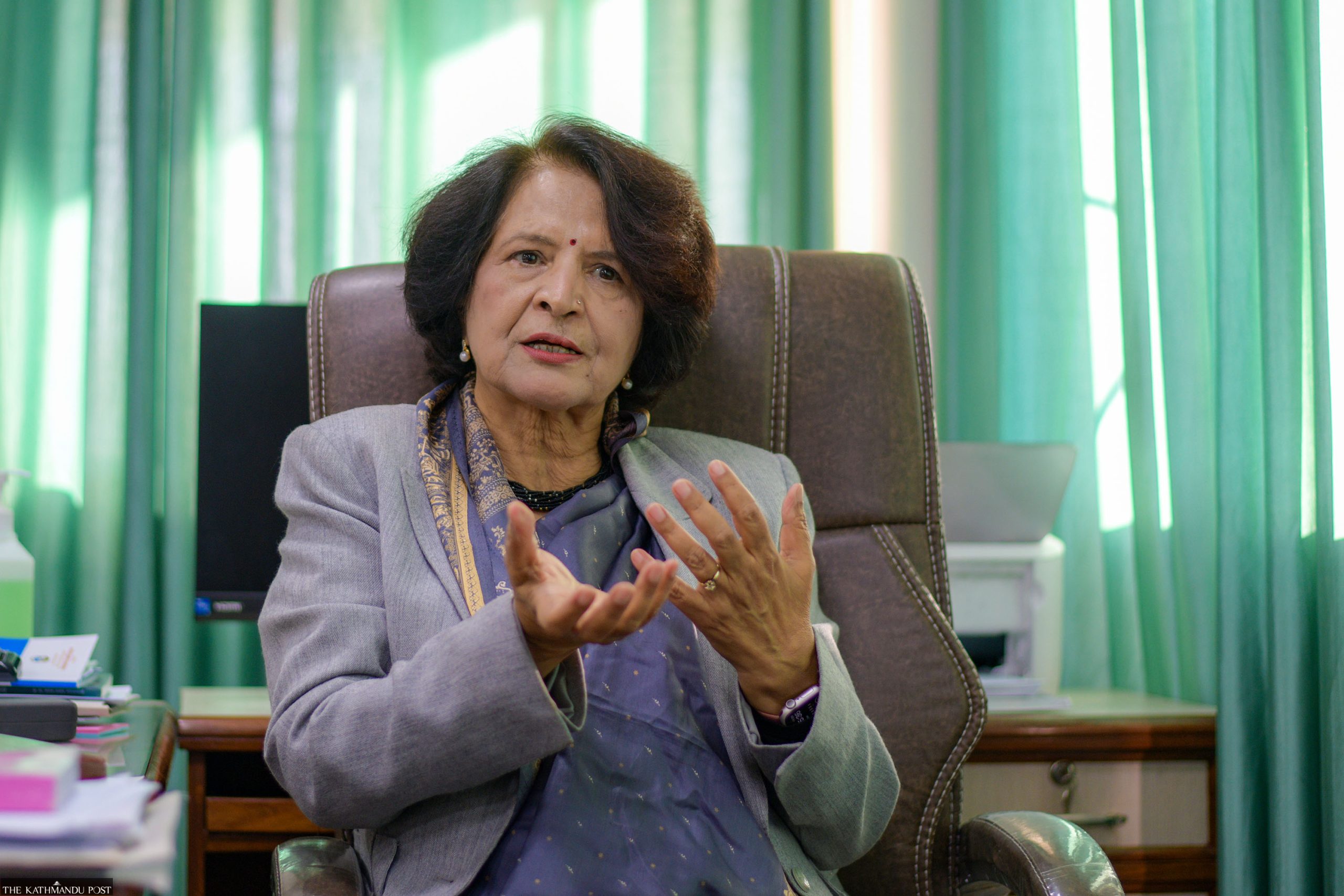
A New Era in Nepal’s Healthcare Sector
Nepal has witnessed a significant shift in its healthcare leadership, with Prime Minister Sushila Karki appointing Dr. Sudha Sharma Gautam as the minister for health and population. This decision marks the third expansion of her Cabinet on October 27. Dr. Gautam, a former health secretary, brings a wealth of experience from her career as a gynaecologist, obstetrician, and administrator. Her appointment is widely seen as one of the most merit-based in the current Cabinet.
The healthcare sector in Nepal is currently grappling with numerous challenges. These include the destruction of the ministry building during protests, funding cuts from foreign donors, and a growing exodus of healthcare professionals to other countries. In an interview with The Post’s Biken K Dawadi, Dr. Gautam shared her insights into these issues and her vision for the future of the ministry.
A Career Spanning Multiple Roles
Dr. Gautam reflected on her journey from being a doctor to a bureaucrat and now a minister. As a doctor, her focus was primarily on patient care. However, she recognized the need for systemic improvements to ensure quality care. As an administrator, she worked to enhance the country’s health sector. Now, as a minister, she has the opportunity to influence policy, staffing, and infrastructure, which were previously beyond her reach.
Despite the differences in roles, Dr. Gautam emphasized that her work remains consistent. “Whatever I was doing and what I am doing now is the same to me,” she said.
Priorities for the Ministry
Dr. Gautam outlined six priorities for her tenure as health minister. Three of these are focused on improving services, while the other three aim to strengthen the system. To improve services, she has prioritized mental health, the health of migrant workers, and efforts in provinces with poor maternal and child health indicators. For system improvement, she aims to enhance the Department of Drug Administration, boost the supply of medical professionals and medicines, and revamp health insurance programs.
Challenges and Constraints
Dr. Gautam acknowledged that being a minister comes with its own set of constraints. She noted that many actions are regulated by laws, which sometimes limit her ability to act swiftly. Additionally, the dissolution of the House of Representatives has made it difficult to amend laws when necessary. “If a person were to occupy the office of the minister under normal political circumstances, they would be freer,” she said.
Operating Under Adverse Conditions
The health ministry’s building was damaged during the Gen Z uprising, affecting daily operations. Dr. Gautam described the current infrastructure as basic, with limited equipment. Despite these challenges, she ensures that everyone who visits the ministry receives attention. However, she admitted that the situation hinders effective problem-solving.
Recovering Lost Documents
Many documents were destroyed in the arson, but some critical ones, including those related to human resources, were saved. Cloud services also helped retrieve some data. Dr. Gautam credited the staff’s institutional memory for their continued effectiveness. “People often criticize me for not changing the staff, but they forget that the staff retrieved the documents from the cloud services,” she said.
Funding Challenges
Donor agencies once contributed around 25% of the health budget, but this has dropped to less than 10%. With Nepal’s graduation from the Least Developed Countries status, further cuts are expected. Dr. Gautam stressed the need for more efficient use of resources, reducing duplication of efforts, and focusing on essential services.
Addressing Non-Communicable Diseases
Non-communicable diseases account for 73% of the country’s total deaths. Dr. Gautam emphasized the importance of prevention over cure, initiating programs like yoga and mental health camps. She also highlighted the need to discourage unhealthy lifestyles through initiatives targeting smoking, drinking, and drug abuse.
Stagnant Population Growth
While there is no specific plan to increase the population, the National Population Policy addresses broader aspects of population management. Dr. Gautam pointed out that improving access to affordable healthcare and education is crucial for encouraging population growth. “We cannot ask people to bear children without first creating a conducive environment,” she said.
Addressing the Exodus of Healthcare Professionals
Dr. Gautam identified the lack of job opportunities and low pay as key reasons for the exodus of healthcare professionals. She mentioned that the government is working to include healthcare professionals under labor laws and set minimum salaries to prevent exploitation. However, she warned that without sustained efforts, the situation could worsen.
Supporting Protest Victims
The ministry has prioritized the medical care of individuals injured during the Gen Z protests. Most demonstrators have received treatment and been discharged. However, many injured individuals have not communicated with the government. Dr. Gautam expressed hope that public notices and calls will help locate them.
For martyrs of the movement, she plans to propose free health insurance for their families and provide education and employment opportunities in the medical sector for capable family members.


