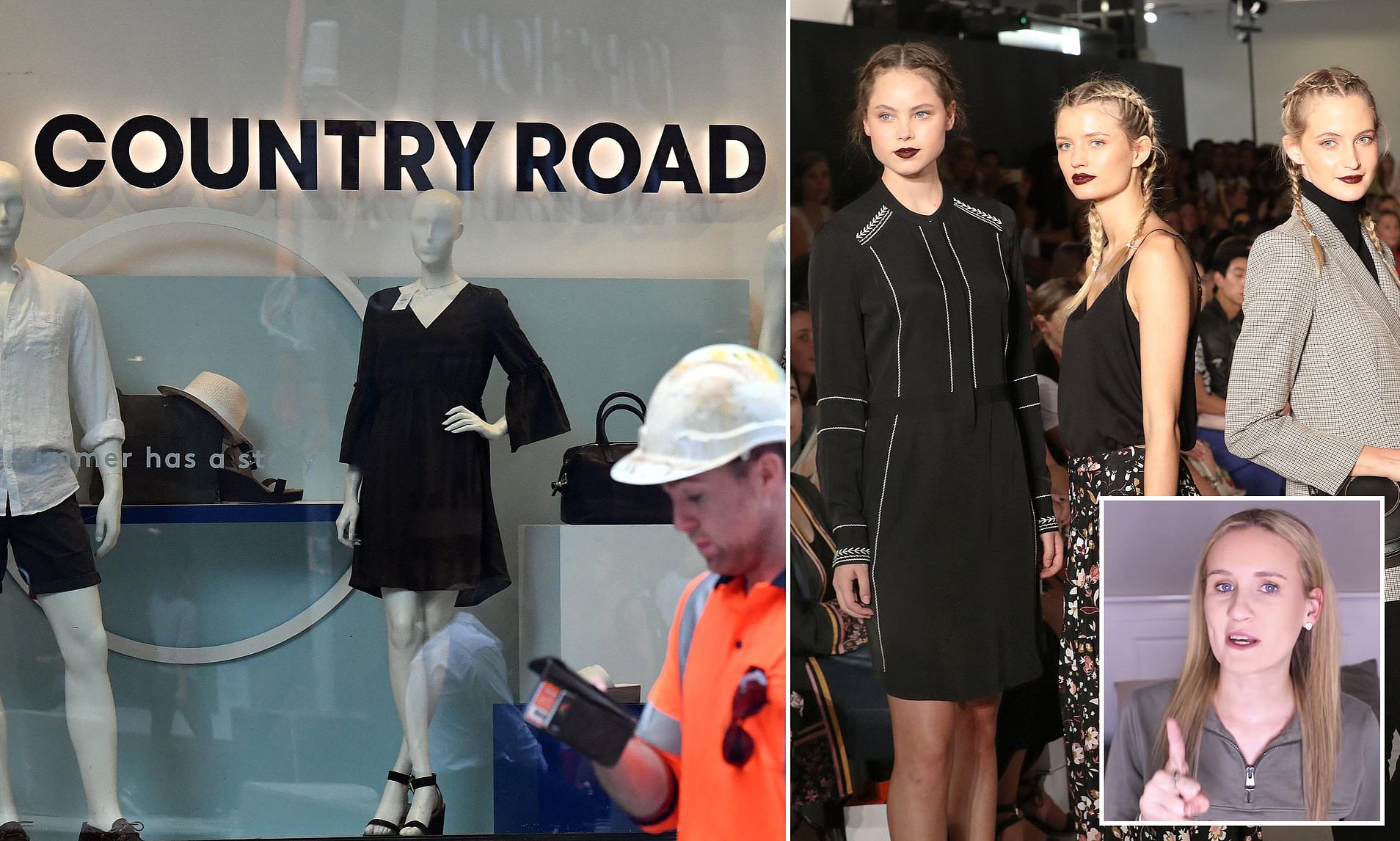
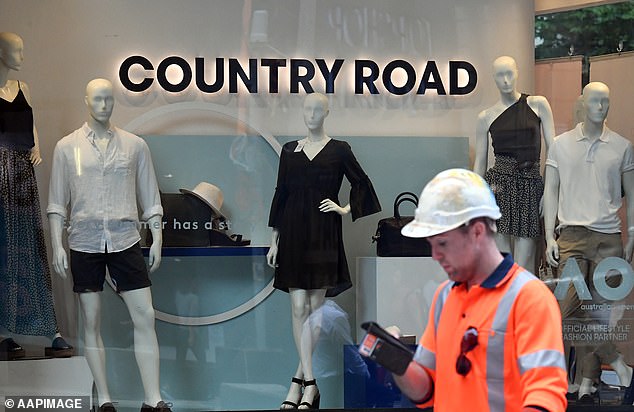
Country Road was once one of Australia’s most loved fashion brands, with its shirts, bags and classic designs found in wardrobes across the country.
But after years of falling sales and store closures, a fashion expert has weighed in on what went wrong – and whether the struggling retailer can turn things around.
Country Road Group reported its third consecutive annual loss on Wednesday, recording a $21.7million net loss for 2025-2026.
The South African-owned group, which also incorporates Witchery, Mimco, Trenery and Politix, substantially reduced its deficit from the massive $124million loss recorded the previous financial year.
The result follows a turbulent period for Country Road, which has closed a number of stores while battling pressure on sales.
While group sales increased by one per cent for the year and 1.6 per cent on a comparable-store basis, the recovery lost momentum in the second half, when sales slipped 0.5 per cent.
It’s a dramatic change in fortunes for a label that once helped define Australian fashion.
Stephen Bennett founded Country Road in 1974 with a vision to create quality clothing designed for the Australian way of life.
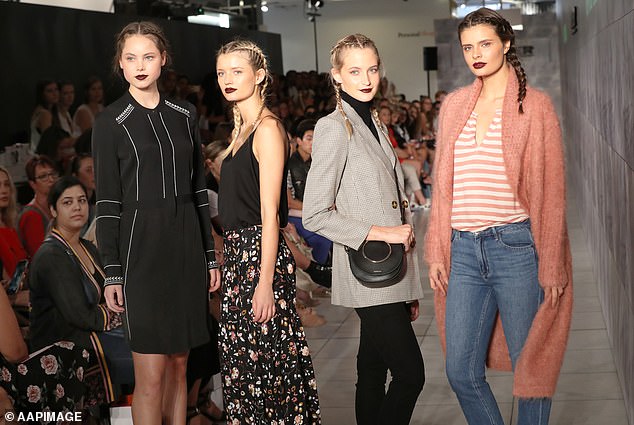
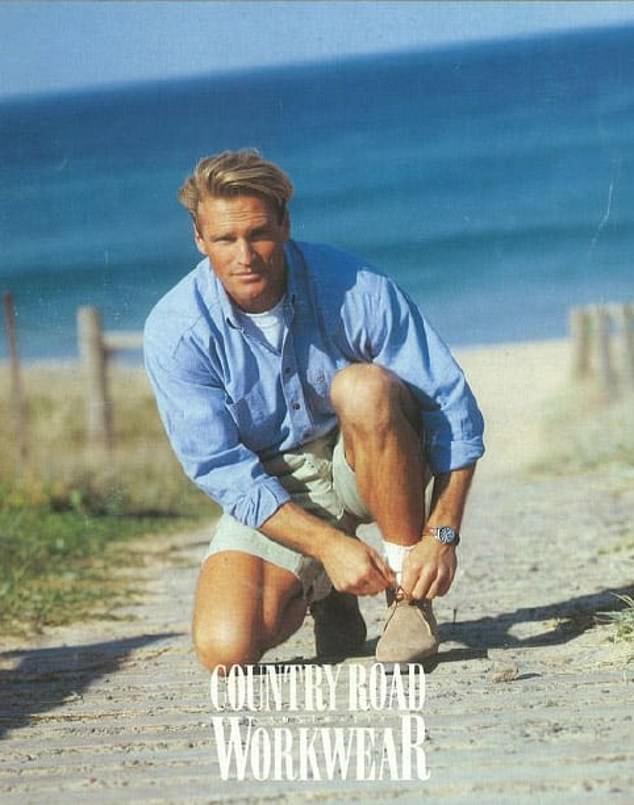
By the 1990s, the brand had become synonymous with understated Australian style and was renowned for its high-quality, Australian-made clothing and accessories.
Its classic cotton shirts became wardrobe staples, while the Country Road name grew into a powerful lifestyle brand.
Its success even carried it overseas, with Country Road becoming one of the first major Australian fashion retailers to make a push into the US.
But the business began to change after South Africa’s Woolworths Holdings took a controlling stake in the late 1990s and manufacturing moved offshore.
Fashion expert Annalise Wood said Country Road has found itself caught in an increasingly difficult middle ground, as cost-conscious shoppers either hunt for cheap clothing or spend more on premium pieces they believe will last.
She said the retailer’s prices were becoming harder to justify when shoppers could find similar-looking clothes for a fraction of the cost at fast-fashion chains such as Shein.
‘One of the many reasons that they are losing sales and falling off is due to fast fashion brands like Shein,’ Wood said in a video posted to YouTube.
She said the two retailers were competing for a more similar customer than many people might assume, with Country Road’s core demographic overlapping with older shoppers increasingly buying from fast-fashion brands.
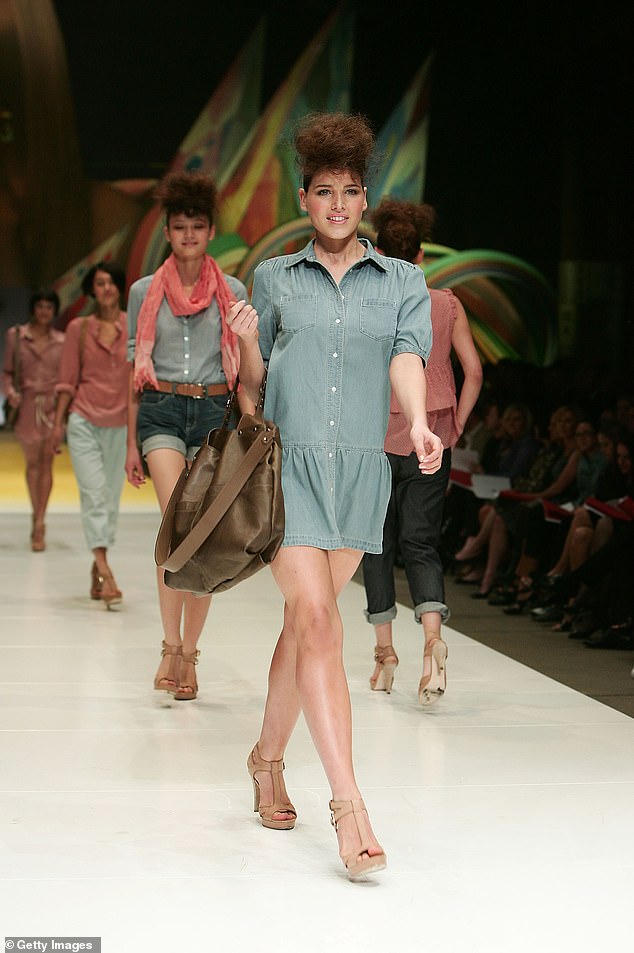
Wood said the cost-of-living crisis had not necessarily stopped people from buying clothes, but had changed how they chose to spend their money.
Rather than shopping in the middle of the market, she said consumers were increasingly gravitating towards either ultra-cheap retailers such as Shein and Kmart or paying more for high-quality staple pieces they expected to keep for years.
That shift, she said, had left Country Road in an awkward position.
‘Another major issue that’s contributing to the lack of sales at Country Road is just pure old corporate greed and capitalism because the prices at Country Road are absolutely astronomical, and it’s, like, good quality, but it’s not fantastic.’
Wood said she experienced the problem herself.
‘When I recently started my shift working office job, I wanted to buy a bunch of work clothes from Country Road. I was like, I know it’s expensive, but, you know, it’s good quality stuff. It’ll last me forever, and it’s, like, the office. I don’t need it to be trendy, and I was floored to see the price of some of these items.
‘I actually ended up buying nothing from Country Road because the prices were just insane for what the quality is.
‘Who in their right mind is going to go spend $400’ at Country Road, she said, when ‘you can get the exact same thing on Shein for $40’.

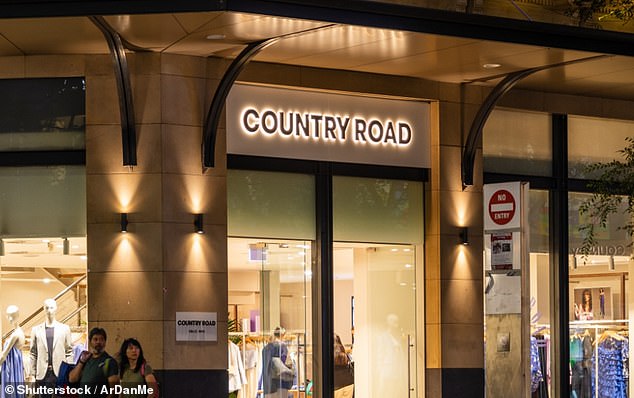
Wood said current fashion trends should, in theory, be playing directly into Country Road’s strengths.
She said fashion had moved away from the extravagant, highly curated outfits that once dominated Instagram and towards more understated business-casual clothing that can be worn both at work and socially.
‘This is, in fact, a recession indicator. The reason that business casual becomes so popular in recessions is because people can no longer afford a going-out outfit and a work outfit. So instead, they buy the one outfit that they can wear to both.’
That should have created an opportunity for Country Road, whose understated dresses, shirts, trousers and coats closely fit the aesthetic shoppers are currently looking for.
But Wood said the retailer was failing to capitalise on the trend because of its pricing and weak online presence.
‘Country Road has the opportunity to sell so many of their pieces because their pieces are exactly what the girlies are looking for nowadays.
‘Yet their corporate greed of the pricing, their lack of marketing, and social media presence is really causing them to not stand out at all and end up being swallowed by the Shein bubble.’
Wood said the company needed to rediscover the formula behind products such as its iconic Country Road duffle bags, which became iconic across Australia long before social media transformed the way fashion trends spread.

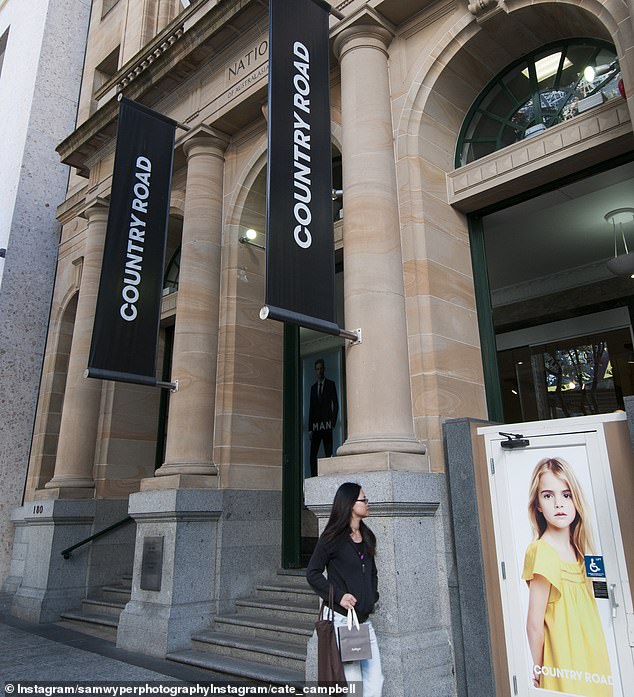
‘I mean, honestly, they were going viral before going viral was even a thing.’
In a glimmer of hope, the Australian division returned to full-year profitability for the first time since 2023, with earnings before interest and tax of $2.3million, an improvement of 113 per cent from the 12 months prior.
Marketing Focus managing director Barry Urquhart was involved with the Country Road brand in its heyday as an adviser to Mr Bennett.
‘When it started out, Country Road had a look that was unique, different, modern and slightly upmarket,’ Mr Urquhart told the Daily Mail.
‘It was very much about making a fashion statement.
‘But then the brand became commoditised and imported.’
Mr Urquhart believes the Country Road brand can bounce back by looking at its original target market, now aged in their 50s and 60s, as well as younger generations.
‘It needs to re-examine and articulate its values and virtues by engaging with customers to create a unique point of difference,’ he said.
‘It can be turned around and there is a big gap in the market.
‘The brand was recognisable and respected, which could be re-established very quickly.’
He also suggested the brand follow the lead of RM Williams in innovating its ranges.
He remains hopeful that Country Road won’t follow the demise of dozens of other fashion retailers that have collapsed in recent years, including Rivers, Katies, Noni B, Millers, Ally Fashion and JeansWest, along with footwear giants Wittner and Betts.
‘It won’t necessarily collapse, but the brand will slowly and gradually attenuate until it becomes irrelevant,’ Mr Urquhart said.
‘If you don’t change, your competitors will make you redundant.’
Witchery and Politix continued to benefit from repositioning strategies, delivering comparable sales growth of 9.5 per cent and 10.2 per cent respectively.
The Country Road brand is also trading marginally ahead of last year and entered FY27 with new ‘elevated’ leadership.
‘At the start of the year, we set out to improve the quality of our sales, strengthen our inventory position and operate more efficiently,’ group CEO Steven Cook said.
‘While market conditions remained challenging, that discipline improved profitability, reduced inventory and provided the agility to respond to changing customer demand, helping us return the business to profit.
‘Our focus has been on building stronger foundations, while ensuring each of our brands has a clear positioning, compelling product offer and the ability to grow sustainably over time.
‘We’ve made meaningful progress over the past 12 months and enter FY27 with a clear plan and a solid platform to build on.
‘Each of our brands has a clear role to play, and we’ll continue investing in product, customer experience and capability to support sustainable growth across the portfolio.’
Country Road has been contacted for comment.