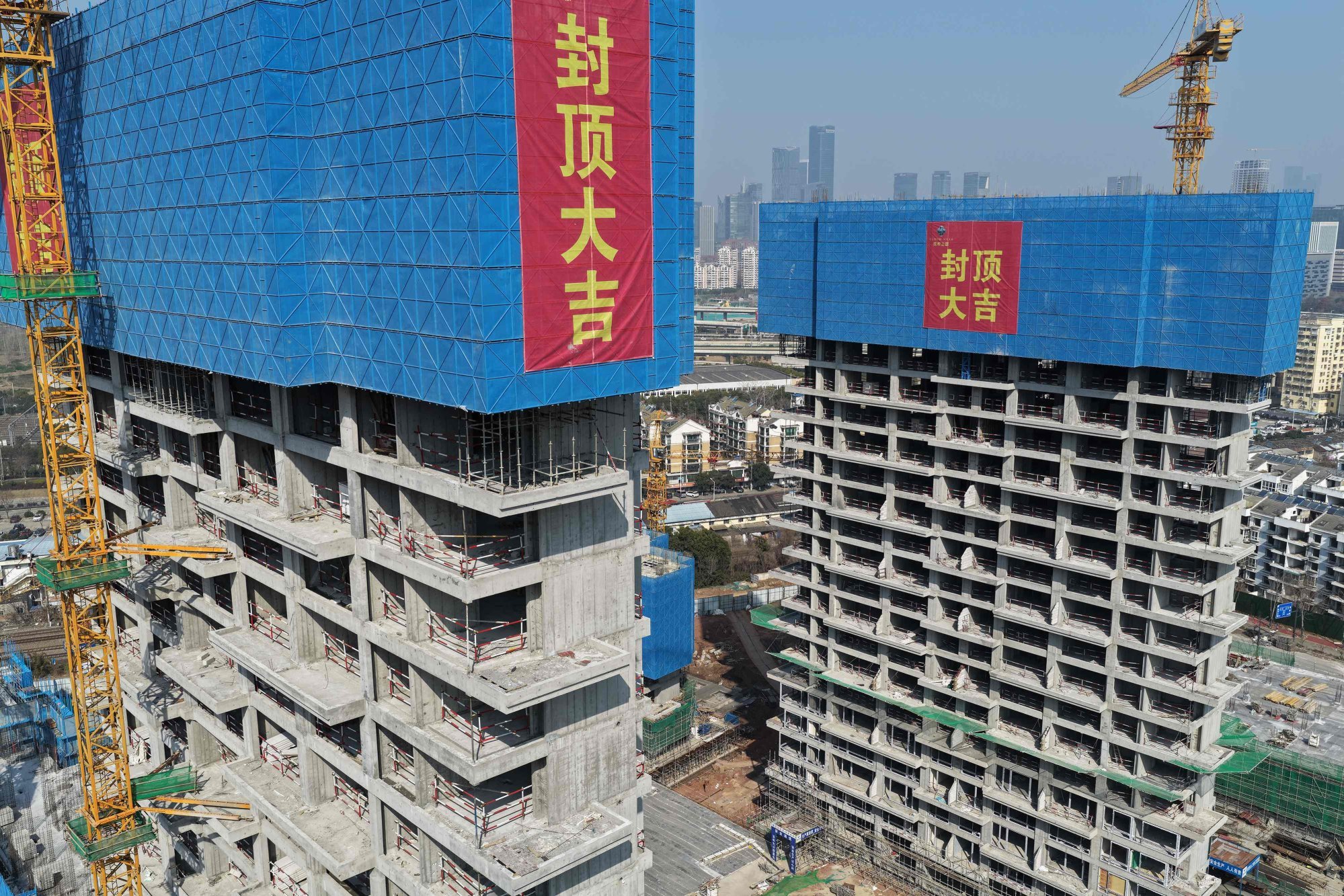
China’s Housing Sector Faces a New Era of Economic Rebalancing
As China prepares for its annual legislative meetings, known as the “two sessions,” there is growing interest in whether the country will take significant steps to reshape its struggling property sector. These meetings are usually a key indicator of Beijing’s top-level policy agenda, and this year is no different. The focus on real estate reform has become more pronounced, signaling a potential shift away from the traditional model that fueled two decades of rapid growth.
The real estate sector has long been a cornerstone of China’s economic expansion, driven by high debt, high leverage, and high turnover. However, this model has left developers vulnerable when liquidity tightened, leading to widespread financial distress. In response, officials are now promoting a more sustainable “dual-track” system that emphasizes higher-quality commercial housing alongside a larger role for government-backed affordable homes.
Analysts suggest that this new approach aims to address both the need for quality development and the provision of basic housing needs. Xing Zhaopeng, senior China strategist at ANZ, explained that the commercial market would focus on higher-quality new homes with largely market-determined prices, while government-backed affordable housing would cater to basic demand.
A Shift in Policy Priorities
This proposed shift, first introduced two years ago, marks a significant departure from the previous model. It comes as the property sector enters its fifth year of contraction, with falling sales and prices affecting major developers such as China Evergrande Group and Country Garden Holdings. Even China Vanke, once considered one of the more financially resilient names in the sector, has faced pressure due to rising debt and refinancing challenges.
According to data from China Real Estate Information Corporation, the top 100 developers sold homes worth 123.4 billion yuan (US$18 billion) in February, a 34% decline from the previous year. Vanke’s contracted sales fell by 57% in the same month, highlighting the severity of the downturn.
The property slump has had far-reaching effects on the broader economy, impacting employment, local government finances, and household wealth. With real estate serving as a primary store of value for Chinese families, prolonged price declines have dampened consumption at a time when Beijing is striving to boost domestic demand to support growth.
Government Initiatives to Address Housing Challenges
At the December central economic work conference, high-level officials pledged to support local governments in purchasing unsold commercial housing for use as affordable units, resettlement housing, and dormitories. This move aims to reduce excess inventory while expanding social housing supply.
Twenty-two of mainland China’s 31 provincial-level regions have since emphasized efforts to revitalize existing housing stock, with many planning to convert commercial units into affordable housing, schools, or hospitals. At least seven regions, including Shanghai and Guangdong province, have committed to developing “good homes” and improving property services, indicating a shift toward higher-quality development.
Risk prevention has dominated property policy in recent years, as authorities sought to contain financial contagion from developer defaults. Now that major risks have been exposed, the focus can shift to the new development model, according to Xing.
However, analysts caution that sweeping stimulus measures are unlikely. While some experts have called for more forceful intervention to arrest the downturn, expectations for a full-scale rescue remain low.
Expectations for the Upcoming “Two Sessions”
On the first day of the year, Qiushi, the Communist Party’s flagship ideological journal, urged “all-out efforts” to stabilize the sector. It stated that “housing prices directly affect people’s interests.”
Twenty-one regions have lowered their gross domestic product growth targets this year, while nine, including Beijing and Shanghai, have kept them unchanged. Jiangxi was the only province to raise its target. Analysts widely expect that Beijing will also lower the national growth target this year.
A Nomura report published on Monday suggested that the “two sessions” would likely continue to target city-specific policies. So far, 16 regions have said they will lay out their property-related policies based on local conditions.
“However, local easing measures are far from sufficient to stabilize the national housing market, in our view,” the report said.


