Escalating Tensions in the Strait of Hormuz
The United Arab Emirates has reported missile and drone attacks from Iran, marking the first such incidents since the April ceasefire. This development comes as the US seeks to assist ships in navigating the Strait of Hormuz.
The US has confirmed that two merchant vessels successfully passed through the Strait of Hormuz with a US Navy escort. Meanwhile, the UAE claims its air defense systems are responding to missile and drone attacks, with reports of fire at an oil facility.
Iran has warned that any interference in the Strait would be considered a violation of the ceasefire. Additionally, Tehran is assessing Washington’s response to its 14-point proposal.
The US has also transferred 22 crew members of a seized Iranian ship to Pakistan.
Iranian Warnings Against the UAE
Iranian state-affiliated media has issued warnings to the UAE, suggesting that “all of its interests” could become targets if Emirati authorities take actions against Iran. A semi-official news agency cited an unnamed military source, stating that if the UAE sides with Israel, it would face consequences.
“The UAE knows it is sitting in a very fragile glass house and that insecurity is absolute poison for it,” the source said.
These comments follow the UAE’s claim of detecting multiple cruise missiles and drones fired from Iran, accusing Iran of attacking an empty oil tanker attempting to cross the Strait of Hormuz.
US Efforts to Facilitate Shipping Through the Strait
The US military’s Central Command (CENTCOM) has stated that it has contacted “dozens” of stranded ships as part of its initiative dubbed “Project Freedom.” Admiral Brad Cooper, the commander, emphasized that the vessels currently stranded in the Persian Gulf represented 87 countries and were “merely neutral and innocent bystanders.”
“Over the last 12 hours, we’ve reached out to dozens of ships and shipping companies to encourage traffic flow through the [Strait of Hormuz], consistent with the president’s intent to help guide ships safely through the narrow trade corridor,” Cooper said.
Earlier, CENTCOM had reported that two US-flagged merchant vessels had passed through the Strait as a first step. However, the statement did not clarify how many ships responded positively or what “encouraging traffic flow” entailed.
Germany Prepares for Potential Deployment in the Strait
A German mine-hunting ship, the FGS Fulda, has left port in Kiel, bound for the Mediterranean. It is moving into a forward deployment position in case it is needed to support a European mission to secure maritime transport in the Strait of Hormuz after a peace deal between the US and Iran is reached.
Germany’s US Embassy highlighted the move, noting that the Fulda is pre-positioning to reach the Gulf quickly if required. The embassy stated that any deployment would require three clear conditions: a sustainable end to hostilities, a mandate under international law, and authorization from the German Parliament (Bundestag).
Additional German naval assets are expected to follow the Fulda in the coming weeks.
Rising Oil Prices Amid Tensions
Both benchmark oil prices rose significantly during Monday’s trade as tensions escalated in the Strait of Hormuz. A barrel of Brent Crude was selling for just over $114, compared to around $105 at the start of the day. West Texas Intermediate was trading at roughly $105 per barrel, up from about $100 earlier.
Related products like liquid natural gas, fertilizers, and jet fuel have also seen sharp price increases in recent weeks.
Qatar Condemns Iranian Attack on UAE Oil Tanker
Qatar’s Foreign Ministry strongly condemned Iran for a reported drone attack on an unladen UAE-flagged oil tanker. In a statement, Qatar described the attack as a “blatant violation of international law” and called for the unconditional reopening of the Strait of Hormuz.
“The Ministry of Foreign Affairs reiterates the State of Qatar’s categorical rejection of using the Strait of Hormuz as a tool of pressure, calling for its unconditional reopening and affirming that freedom of navigation in this vital waterway is a firmly established principle that must not be compromised,” the ministry wrote.
UAE Reports Missile and Drone Attacks
The UAE has issued further warnings of attempted missile and drone attacks. The Defense Ministry stated that four missiles were fired in its direction, with three intercepted over territorial waters and the fourth falling into the sea. Air defense systems are actively engaging operations involving missiles and drones.
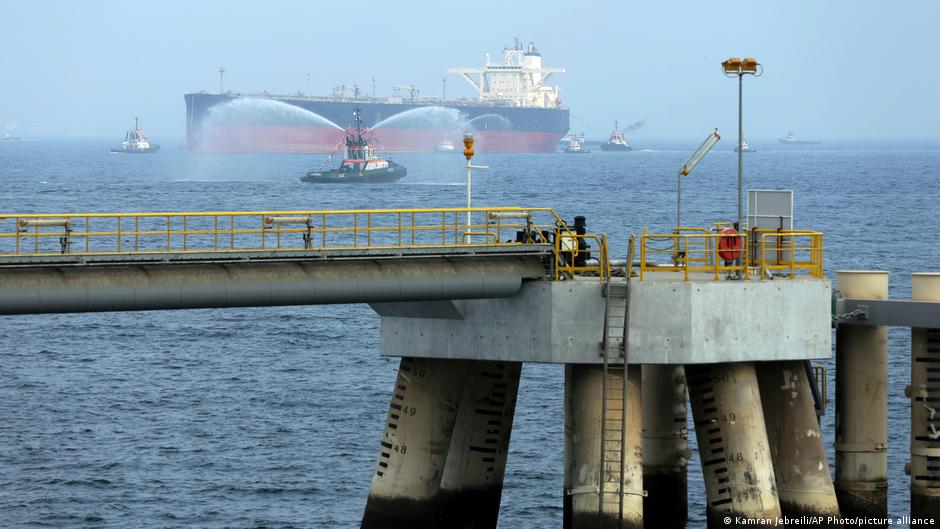
Meanwhile, a fire broke out at the Fujairah Oil Industry Zone following what was described as an attack originating from Iran. Civil defense teams were deployed to contain the blaze.
South Korea Investigates Fire on HMM Ship
South Korea’s Foreign Ministry is investigating the cause of a fire and explosion on a ship operated by the HMM company in the Strait of Hormuz. The ship was anchored near the UAE inside the Strait of Hormuz at the time of the fire, suggesting it was one of the ships waiting for passage through the waterway.
The ministry said it would coordinate closely with relevant countries to determine the cause of the fire and details of the damage sustained.
UAE Issues First Missile Alert in Weeks
Authorities in the UAE issued their first mobile phone alert warning of potential missile threats since early April, but soon sent out an all-clear. The alert came amid escalating tensions between the US and Iran over Trump’s plan to use the military to assist commercial vessels in navigating the Strait of Hormuz.
The Interior Ministry later advised people to resume normal activities while remaining cautious.
US Confirms Merchant Vessels Transited the Strait
The US military confirmed that two Navy guided-missile destroyers entered the Gulf to break an Iranian blockade and that two US-flagged merchant vessels had transited through the Strait of Hormuz. The US emphasized its efforts to restore transit for commercial shipping.
Iran had previously stated that US efforts to guide commercial ships through the Strait would be considered a violation of the ceasefire.
US Denies Iranian Claims of Missiles Striking Warship
The US military’s Central Command denied Iranian reports of missiles striking a US warship. “No U.S. Navy ships have been struck,” Centcom stated, adding that US forces are supporting Project Freedom and enforcing the naval blockade on Iranian ports.
Iranian news agencies had reported strikes on a US vessel, accusing it of violating maritime security and navigation norms.
UAE Accuses Iran of Drone Attack on Oil Tanker
The UAE accused Iran of using drones to attack an empty oil tanker as it attempted to pass through the Strait of Hormuz. The “Barakah” ship belongs to ADNOC, and no injuries were reported.
The UAE urged Iran to cease these attacks and ensure the complete and unconditional opening of the Strait of Hormuz.
Oil Prices Surge Despite Trump’s Plan
Oil prices surged on Monday, with markets skeptical of the US plan to help stranded ships pass through the Strait of Hormuz. Brent crude climbed 1.54% to $109.84 per barrel, while US crude rose over 2% to $104.18.
Traders remain uncertain about the success of the US initiative, with reports suggesting the US Navy may not directly escort commercial ships.
Europe’s Plan to Secure the Strait of Hormuz
The UK and France are leading efforts to establish a multinational mission to secure shipping through the Strait of Hormuz. However, questions remain about the scope of the operation. Analysts are examining the role of Europe in ensuring stability in the region.
US Transfers Crew of Seized Iranian Ship to Pakistan
Islamabad confirmed that 22 crew members from an Iranian container ship seized by the US would be evacuated to Pakistan. The transfer was described as a “confidence-building measure” with support from both sides, with the crew to be returned to Iran.